The first question a buyer has is rarely “Is this a good board?” It is “What, exactly, am I looking at?” A tidy photo of the bottom may get someone to open your listing. A clear view of the deck, dimensions, fin boxes and every repair helps them decide whether to drive across town. Selling well starts with making that decision easy.
Get the board ready to show, not just to photograph
Rinse and dry the board. Remove enough wax to show the deck, rails and any old repairs. Use a plastic wax comb rather than a metal tool or harsh solvent; Firewire’s board-care instructions explain why careless cleaning can damage a finish. If a traction pad hides part of the deck, leave it on if you wish, but say what is visible around it and whether you know what is underneath.
Inspect the board before you describe it. Look at the nose, tail, both rails, bottom, deck, leash plug and the glass around each fin box. An open ding deserves attention before the board goes back in the water. Firewire warns that water can enter a damaged core and affect the lamination. If you are unsure whether a soft area, old repair or fin box is sound, have a repair shop assess it. “No damage that I can see” is honest; “water-tight and perfect” is a much stronger claim.
Take the photos a buyer would ask you to send
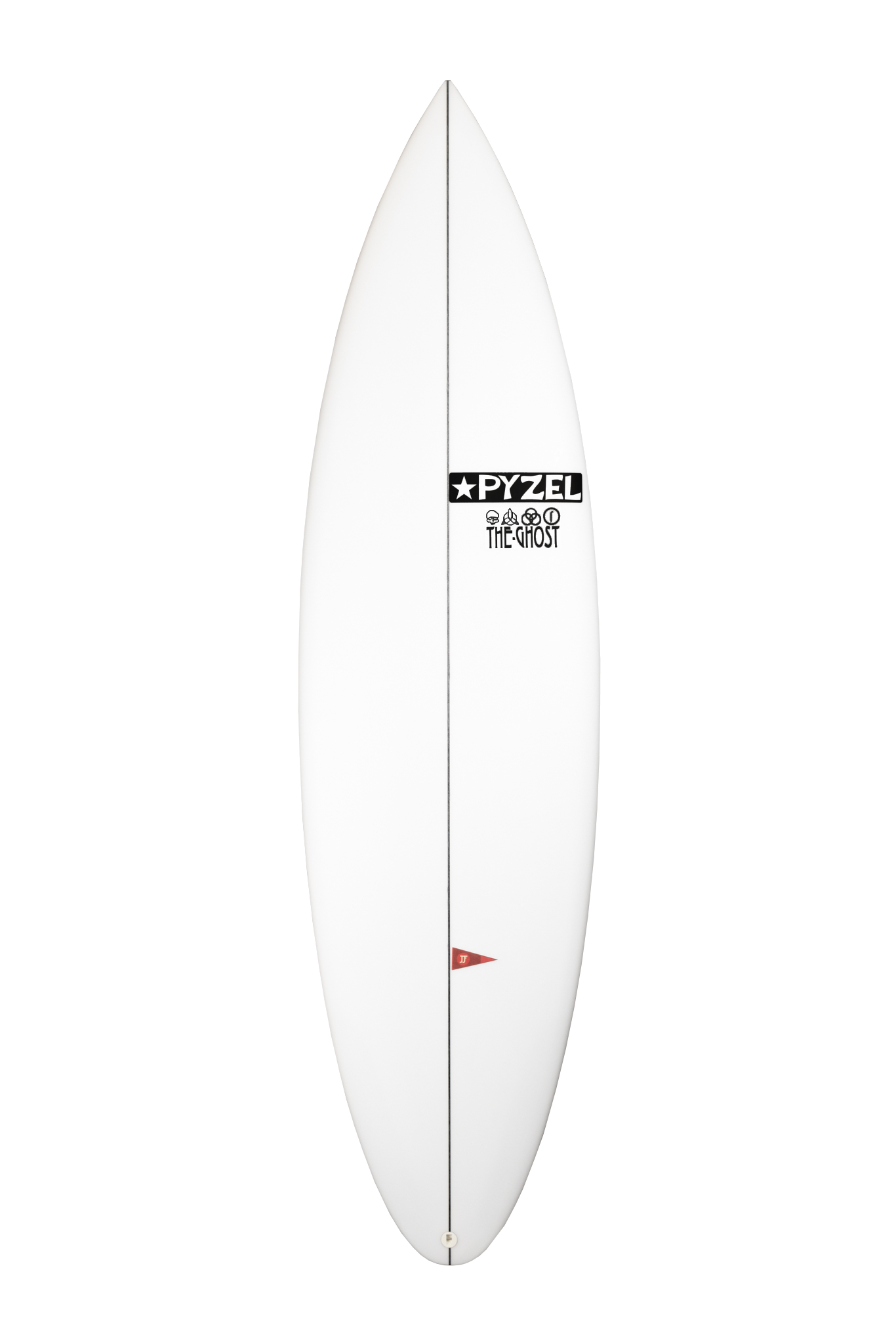
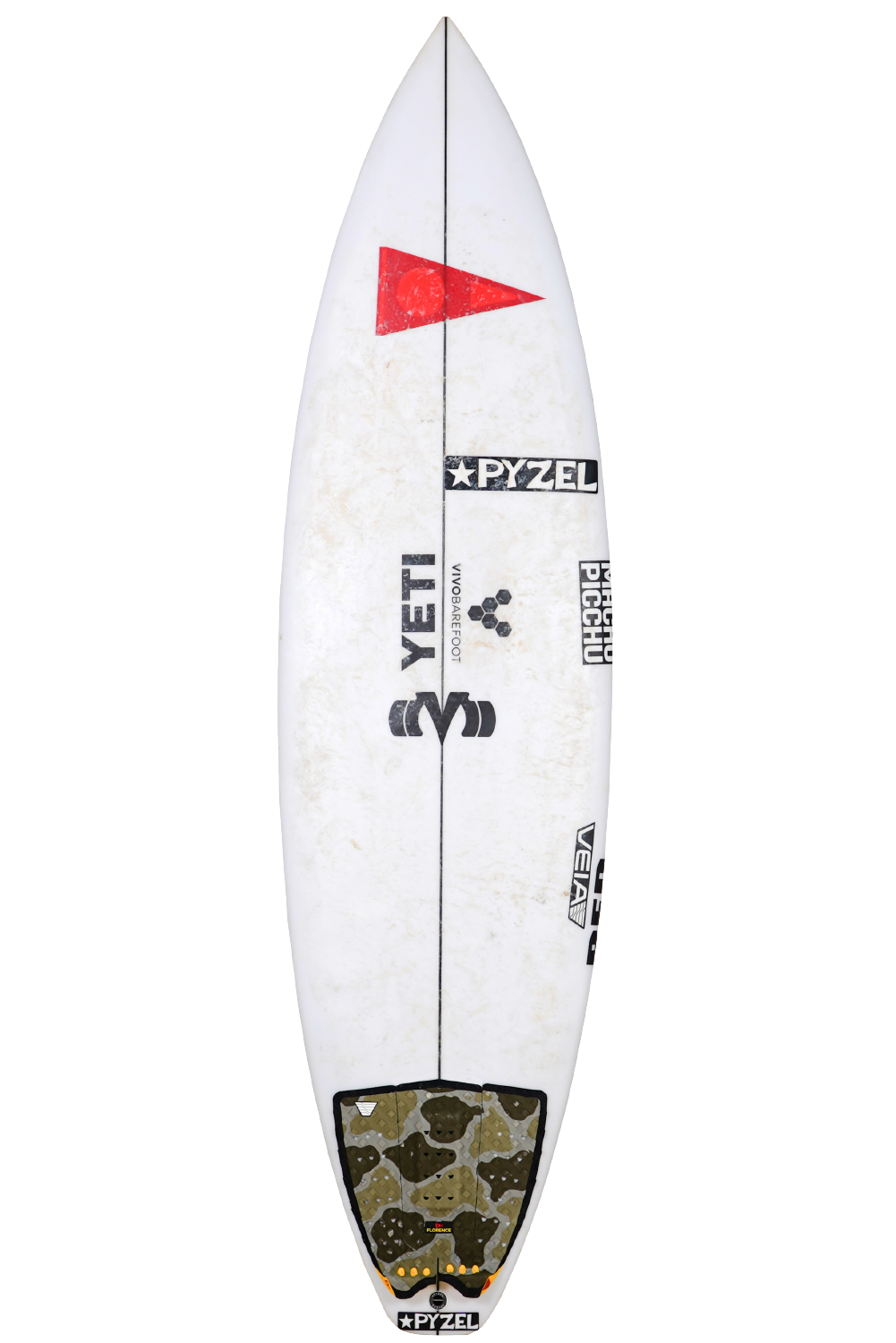
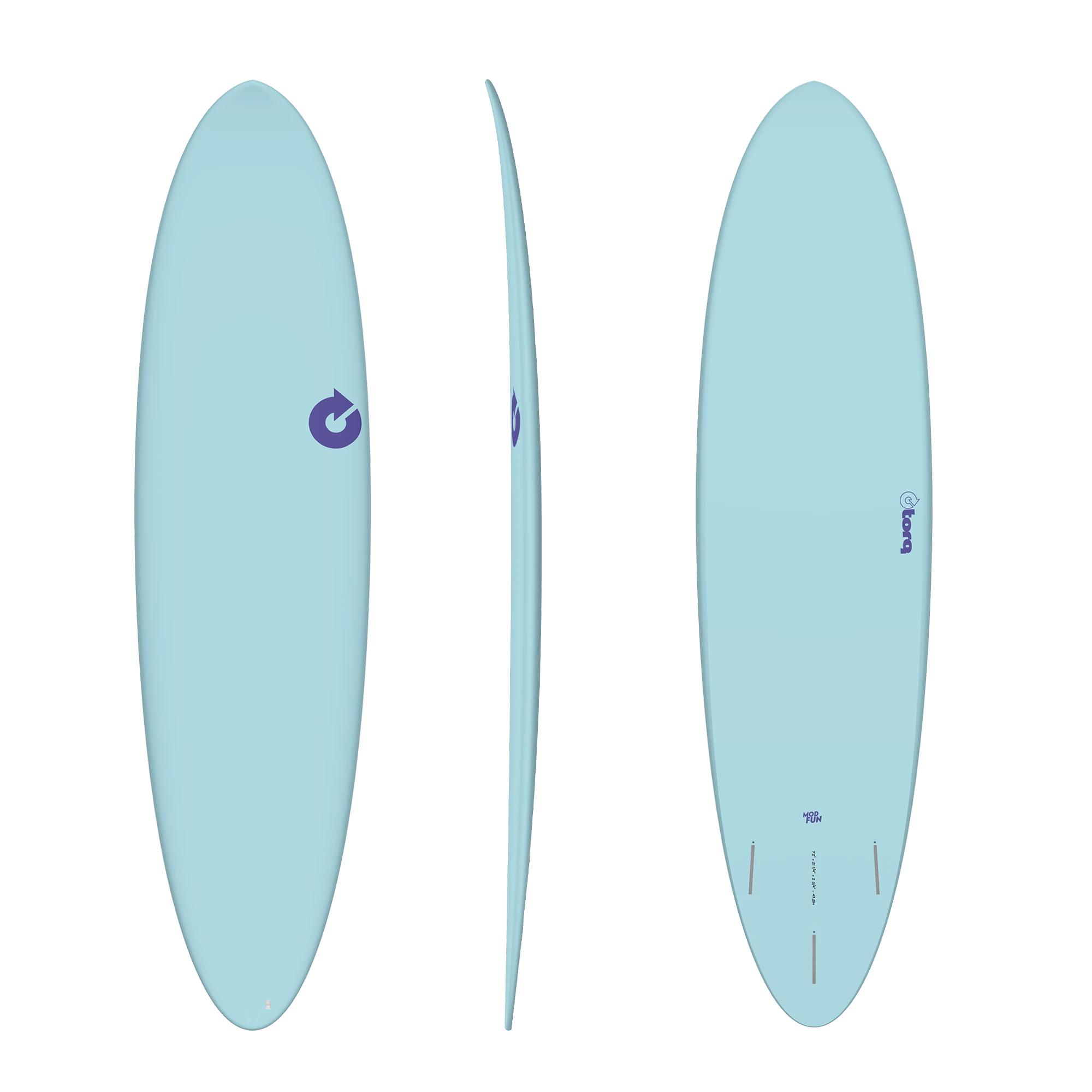
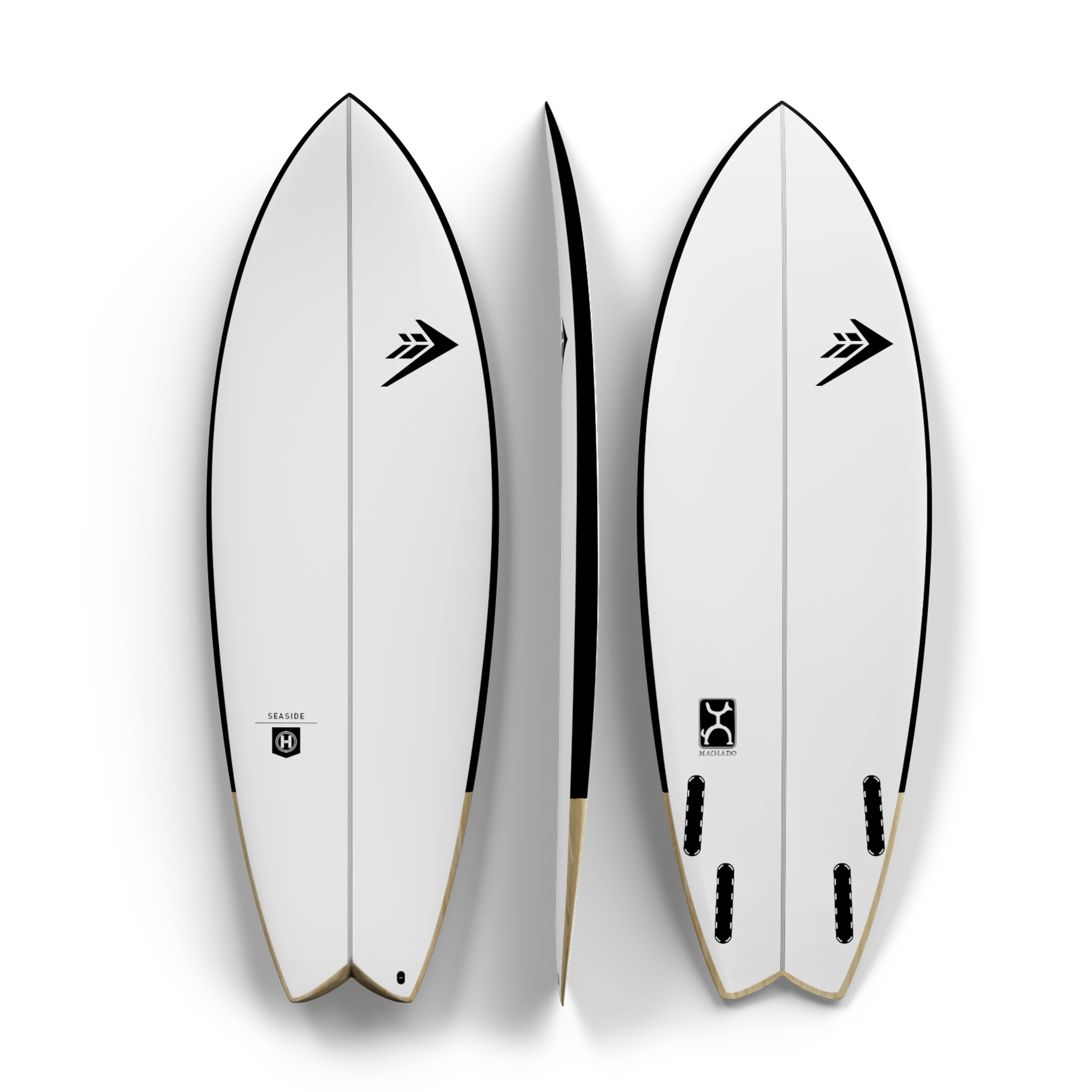
Use daylight or even shade, and put the whole board against a simple background. Take the full-length photos square on, without a bag, wax comb or your feet covering the outline. eBay’s photo guidance recommends a whole-item main image, multiple angles and close-ups of flaws for used goods. A manufacturer’s pristine product image can help identify a model elsewhere, but it cannot show the condition of your board.
A useful sequence is:
- Full deck and full bottom, with the entire nose and tail in frame.
- Both rails from nose to tail, then closer views of the nose and tail tips.
- The written dimensions, model mark, logo and any serial or shaper notation you can find.
- Each fin box and the leash plug, close enough to see the surrounding glass.
- Every repaired ding, pressure dent, crack, soft spot or area you would inspect if you were buying it.
- The fins, bag, leash or other extras only if they are included.
Shoot questionable areas from two angles. Low, sideways light can reveal a deck depression that a face-on shot misses. Do not edit out yellowing, cracks or repairs; a buyer can inspect the real board at pickup. eBay’s picture policy also calls for photos of the actual used item rather than stock photos. Even on a different marketplace, that is a good standard for earning trust.
Write the listing so another surfer can identify it
Put maker, model, length and construction in the title if you know them. In the description, copy the dimensions from the physical board: length, width, thickness and stated volume, if marked. Note the fin system as well as the setup. “Five boxes” tells a buyer they may run three or four fins; it does not tell them whether their FCS II or Futures fins will fit. FCS’s installation guide shows the FCS II plug design, and Futures sells a separate range of boxes. A close-up photo resolves the question faster than “standard fins.”
If you cannot find a model name, do not guess from a similar outline. Say “model unmarked” and photograph every useful clue. A custom board may not match the stock size chart. You can use the Board Hogs model catalog to compare names and shapes, then link to a likely model only when the markings and design really support it. A buyer can always check the exact board in person.
Describe condition in plain language: how many pressure dents, where the repairs are, whether any ding remains open, whether a box has been repaired, and what you know about water exposure. Say who did a repair if you know; otherwise say you do not. State exactly which fins and accessories are included. A three-fin board sold without fins is a different purchase from one with a matching set. The used-board buying checklist shows the questions a careful buyer may bring to the meeting.
Make the price and handoff clear
Before posting, compare genuinely similar completed sales if you can find them, then look at current asking prices nearby. A live listing is an offer, not proof of a sale; eBay explains how its completed-listing search works. Condition, construction, included fins and local availability all change the comparison. For a fuller method, read how to price a used surfboard. You can also browse the Board Hogs marketplace to see what other boards are being offered, while remembering those are asking prices.
Say where the board can be collected and whether shipping is actually possible. A surfboard is a large, fragile package: quote packaging and the packed dimensions before promising a delivered price. eBay’s shipping guide distinguishes local pickup from shipping and freight for oversized items; the same cost distinction matters wherever you list. If you only want local pickup, say so at the top instead of making every distant buyer ask.
Agree on price, included gear, meeting place and payment method before either person sets off. Give the buyer time to inspect the board dry. For a local sale, choose a well-lit public place and let someone know where you will be; Craigslist’s in-person safety guidance recommends those precautions. You do not need to make a stranger’s driveway your default meeting point just because the board is bulky.
A strong listing is not a sales pitch full of “mint” and “goes insane.” It is a set of answers: this is the exact board, here is what has happened to it, here is what comes with it, and here is how we can complete the handoff. That may bring fewer speculative messages, and it gives the right buyer a reason to come see it.