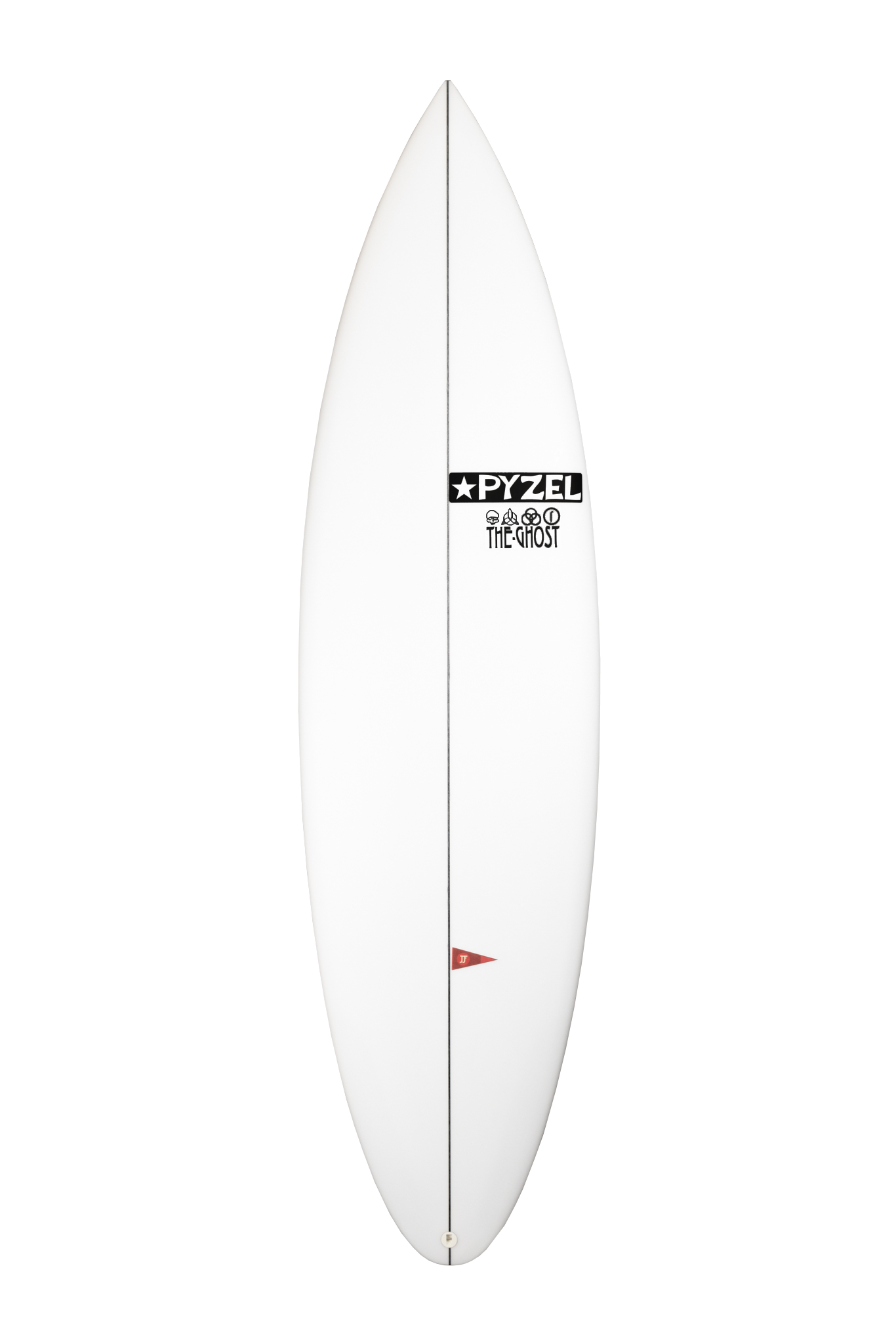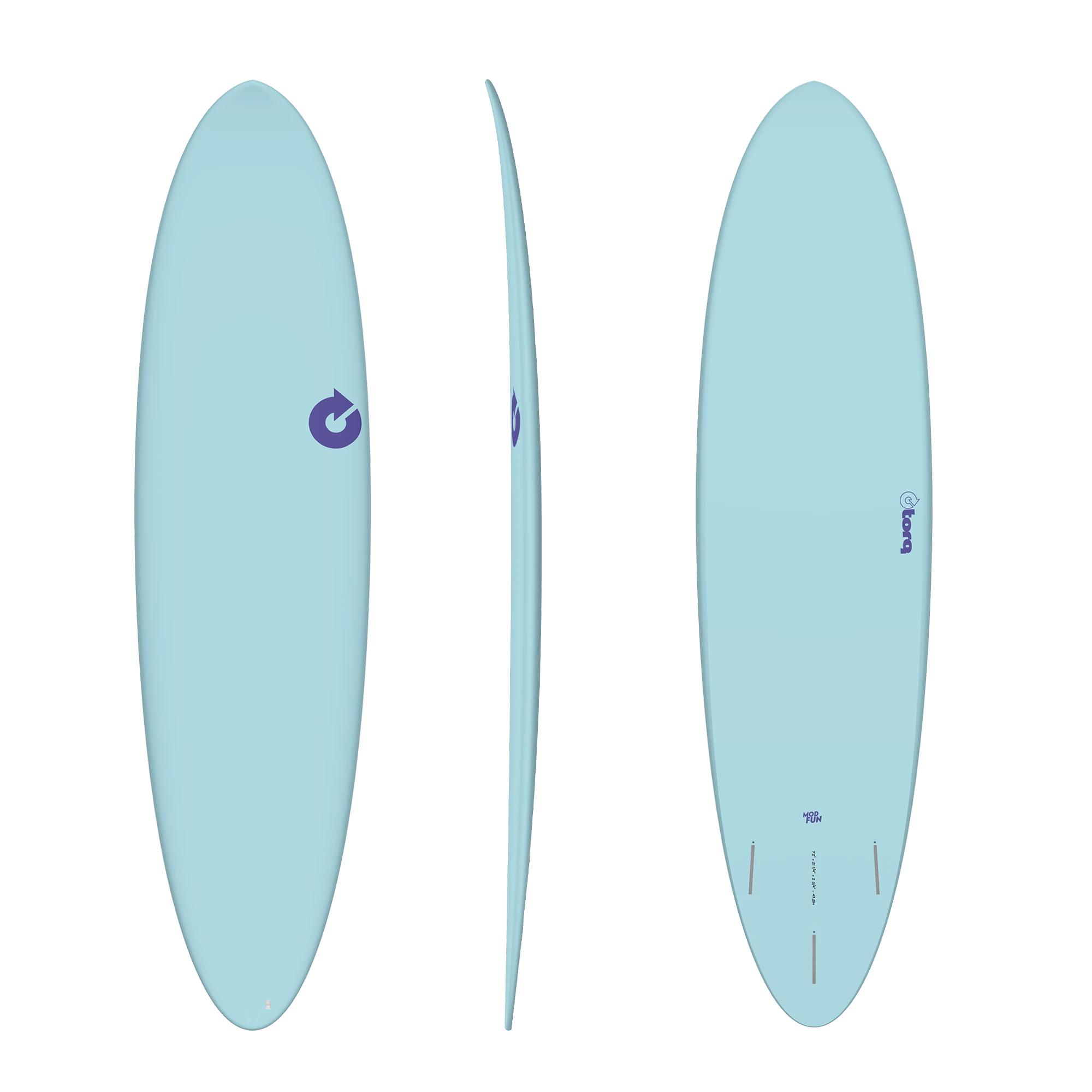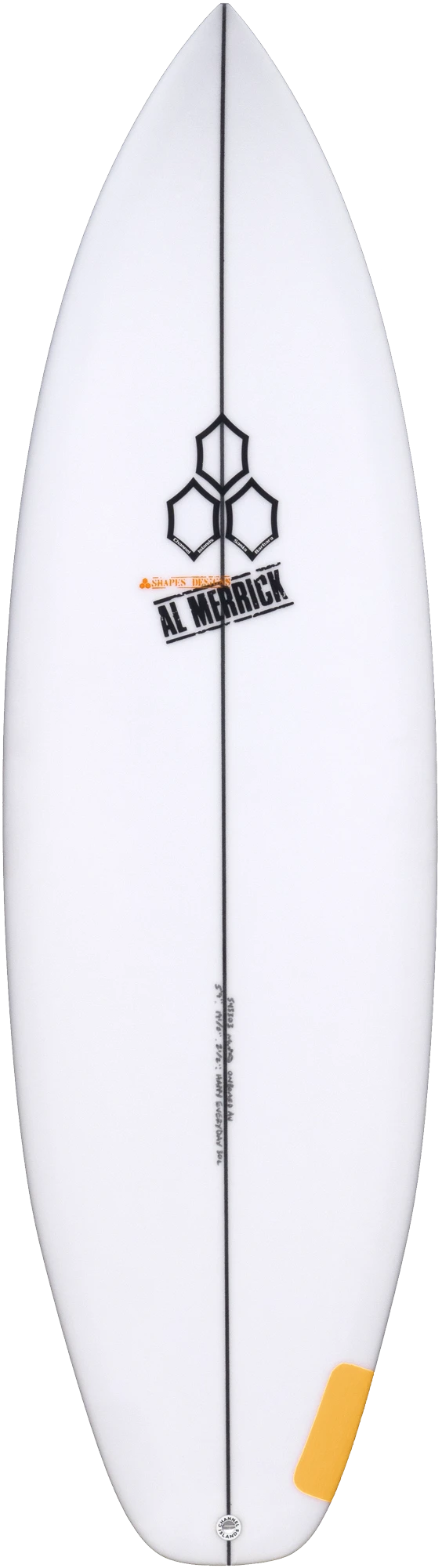
A used board can be exactly the board you want at a price you can live with. It can also be a repair project wearing a fresh coat of wax. You do not need to become a ding-repair expert in the seller's driveway. You do need to know what you are buying, what you still cannot tell, and when to get a repairer's opinion before money changes hands.
Before you meet, ask for the useful photos
Request one full-length photo of the deck and bottom, then close-ups of both rails, the nose, tail, leash plug, every fin box and every repair. Ask for a picture of the written dimensions or shaper's markings. Photos taken in even daylight are more useful than a board half-covered by a bag or photographed from one flattering angle. If a large deck pad or thick wax hides a suspect area, ask what is underneath; do not assume a clean-looking bottom tells the whole story.
Get the basic history in the same message: How long has the seller had it? When was it last surfed? Have any dings been open in the water? Which repairs were done, by whom, and when? Are the fins included? What construction is it? Those answers give you a plan for the inspection, and they reveal whether the asking price is really the price of a ready-to-surf setup. Surftech notes that fins and other accessories are not necessarily included even with a new board, so check rather than assume.
If the seller knows the exact model, compare its listed design and dimensions with the board in front of you. Browse Board Hogs' model catalog before meeting. A custom order or a used board may differ from the stock chart, so the actual markings and measurements still win.
Inspect the board dry, from nose to tail
Start with the outline and the glass. Stand back and look down both rails. Check for an unexpected crease across the deck or bottom, a repaired buckle, a crooked-looking nose or a tail that seems to have taken a hard impact. Then work around the nose, rails and tail with your eyes and fingertips. Small pressure dents on the deck are ordinary signs of use; a crack that breaks the glass, an open hole or a patch with edges lifting away is a different issue. Firewire warns that riding with an open ding allows water into the core and can damage the lamination. Ask how long any such damage was exposed to water.
Look for a change in the surface, not a magic tap sound. A soft or springy patch, a raised bubble, or glass that seems to move independently from the foam can indicate delamination. Press gently with the owner's permission; there is no reason to make a questionable area worse. A hard deck pressure dent and a larger area of loose glass are not the same thing. You can notice a concern, but you cannot establish from a single thumb press or tap that the core is dry and structurally sound. Both Channel Islands and Surftech identify heat and water exposure as causes of larger damage. If you see a soft or bubbled area, ask a repair shop to assess it.
Spend extra time around the boxes and plugs. Inspect the glass immediately around each fin box and the leash plug for cracks, lifted patches or staining. Look for a fin box that appears misaligned or moves in its surrounding glass. If compatible fins are available, ask the seller to fit them normally; never force a fin into a box to test it. Check the system as well as the number of boxes. FCS explains how an FCS II fin locks into its plug, while Futures sells its own distinct boxes. If the included fins are missing or incompatible, add the cost of a usable set to your budget.
Treat repairs as information. A neatly finished repair is not automatically a reason to leave; plenty of well-loved boards have them. Ask what was damaged underneath and whether the board was dried and repaired before it went back in the water. Note repairs around a crease, fin box, broad soft area or previous snap, because their scope is difficult to price from photos alone. Construction also matters: Firewire says its EPS-based boards require epoxy repair materials and warns against polyester resin on them. Read its care and repair guidance before planning a do-it-yourself fix for one of those boards.
Work out the total cost, not just the sticker price
Think in three numbers: board price + needed repairs + missing gear. That last part can include fins, a leash or a bag. For a minor closed cosmetic mark, the answer may simply be “buy it and surf.” For an open ding, a loose box or possible delamination, get a quote from someone who repairs surfboards before agreeing on a price. Surftech recommends a local repair shop when damage is more extensive, and One Revolver Surfboards says its final repair pricing follows photo review or an in-person inspection. A discount is only useful if it covers the work and the uncertainty you are taking on.
It is reasonable to pause or walk away when the seller will not show the board dry, will not allow a basic inspection, cannot explain a large repair, or wants ready-to-surf money for a board with an open ding or moving fin box. A questionable board might still be a worthwhile restoration for someone who wants a project. It is a poor surprise for someone buying their everyday board.
Before paying, say back what you understand: the exact board and dimensions, construction and fin system, included gear, visible repairs, and any work still needed. If the seller agrees and the numbers make sense, you have a much better basis for a purchase than “looks pretty clean.” You can use the same checklist while browsing used boards in the Board Hogs marketplace; ask for the missing details before making the trip.