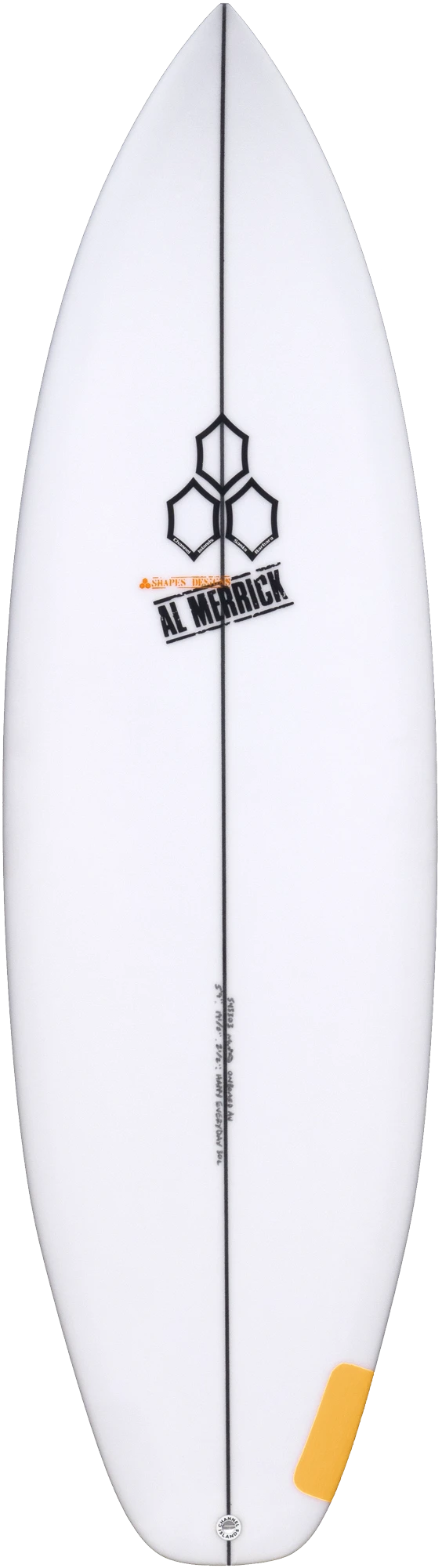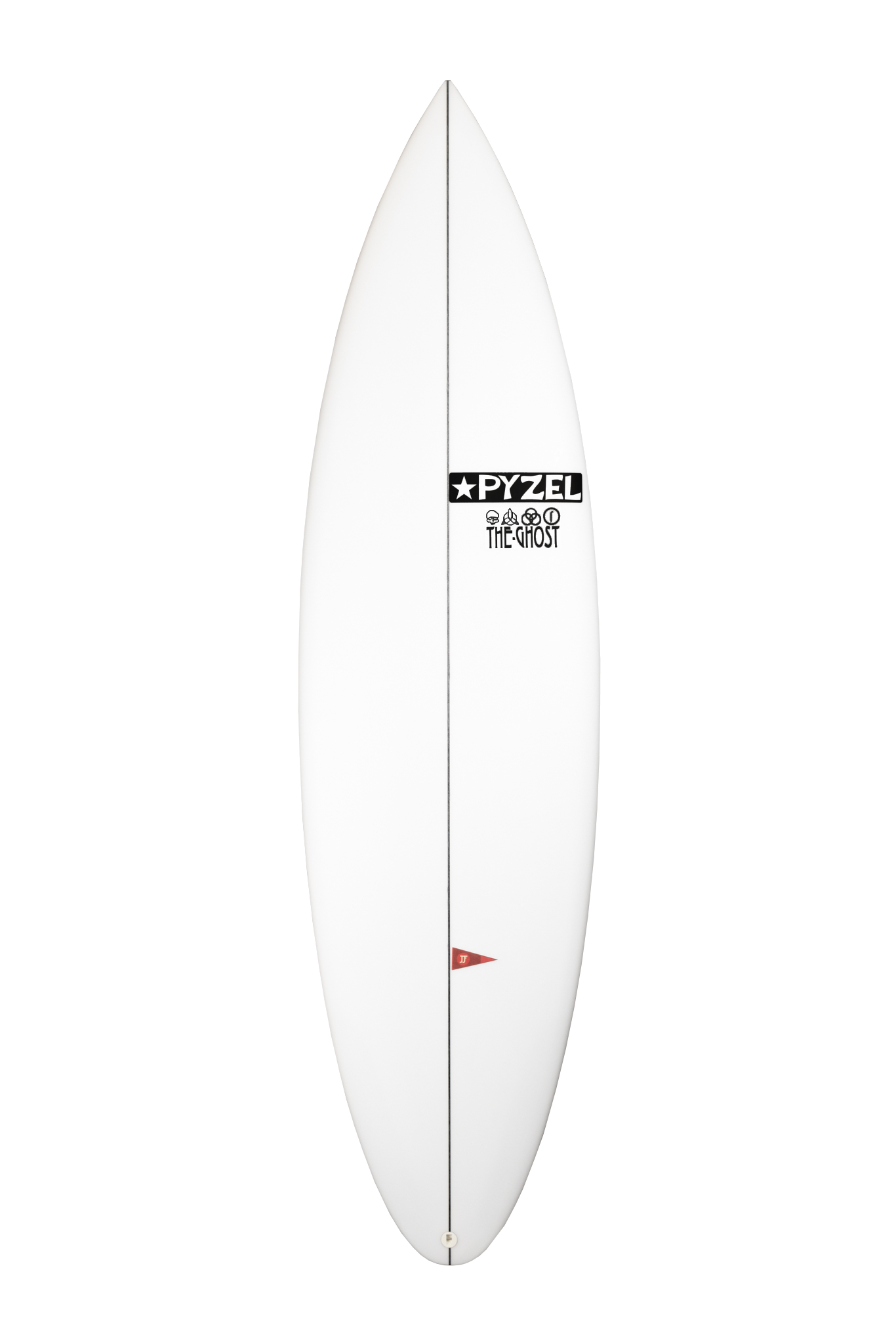

A small ding on the right board might be an easy decision. A soft patch under the front foot might change the entire purchase. The trick is to separate repairable from worth repairing for you. Almost any damage can be priced as a job; the price, uncertainty and time out of the water may still make a different board the smarter buy.
You can make that decision without diagnosing a board in a parking lot. Start with what is visible, ask how the damage happened, and put the complicated questions in front of someone who repairs surfboards for a living.
Start with the surface, then ask what is underneath
A pressure dent in intact glass is different from a crack through the laminate. Light scuffs and an old, sealed cosmetic repair can be ordinary wear. An open hole, split rail or cracked fin-box surround gives water a path into the board. Firewire advises against riding a damaged board in water because water can saturate the core and damage the lamination. Channel Islands likewise says to dry and fix damage promptly, warning that heat or water in a board can cause delamination.
That history matters as much as the photo. Ask the seller: Was the ding ever surfed open? When was the board last in the water? Who repaired it, and what did the repairer find? A dry-looking patch today cannot prove the foam underneath was dry when it was sealed. If you own the board, stop using it while you arrange an assessment; riding it to “see whether the ding matters” can turn a small repair into a larger one.
| What you can see | What to do before deciding |
|---|---|
| Scuffs or pressure dents with unbroken glass | Check the rest of the board and compare the price with clean examples. |
| An open ding or a lifting old patch | Ask a repairer about sealing it and whether water may have entered. |
| Soft or bubbled glass, a crease, or a fin box moving in the board | Get an in-person structural assessment and quote; photos are not enough. |
That table is a triage tool, not a diagnosis. A small-looking hole in an awkward place can need more work than a larger, clean repair. One Revolver Surfboards' repair shop gives ranges after photos but confirms final pricing after review or inspection. Pine Coast Surfboards also warns that hidden damage can change an estimate.
Know when the job is more than a ding
A loose fin box is more than a missing fin. The impact may have cracked the glass and foam around the box, so check its surrounding surface and ask a shop to assess the whole area. A soft or raised patch may be delamination rather than a harmless deck dent. A crease, buckle, broken stringer or snapped board raises questions about structural strength, alignment and what a repair will mean for the board you wanted in the first place. None of those can be settled by a seller's “it's only cosmetic.” Repair shops explicitly treat fin boxes, delamination and broken boards as separate kinds of work; Joe Roper's Surfboard Repair lists each separately.
Construction changes the job too. The resin used on an EPS/epoxy board must suit the foam. Firewire says not to use polyester repair material on its EPS-based boards. If neither you nor the seller knows the construction, identify it before assuming a cheap, quick patch will do. A professional repairer can tell you what they need to inspect and whether the board needs drying time before any work begins.
Do the full arithmetic
For a used purchase, add asking price + repair quote + missing fins or gear + the cost of waiting. Then compare that total with another board you could actually buy for the same waves. Do not treat the asking price as the value of a ready-to-surf board when you are the one funding the repair.
The quote should describe a likely scope, not just a number. Ask whether the shop has seen the board in person, what could change after opening the damaged area, whether color matching matters to you, and when it could be surfed again. One Revolver distinguishes small dings from structural work and says its turnaround varies with severity and workload; its repair guide is a useful example of why a “simple fix” is not one price or one timeline everywhere. Local labor, materials and the condition of this board determine the real quote.
If you already own the board, the comparison changes. You have no purchase price to recover. Ask what a competent repair costs versus replacing a shape you know works, and whether its sentimental value matters to you. Repairing a favorite board can be rational even when its resale value would not justify the job. Buying a damaged stranger's board as your only daily driver calls for a much stricter calculation.
A practical yes, maybe, or walk-away decision
Consider buying or repairing when the damage is contained, the construction is known, the seller explains the history, and a repairer has given you a scope and price you can live with. A cleanly repaired ding is not automatically a bad board.
Pause for assessment when a board feels soft, has a large old patch, shows discoloration near a crack, or has taken an impact around a fin box. That is the moment to send clear photos and, if possible, show the board in person. One Revolver asks for close-ups and a full-board photo to give an initial range.
Walk away from a used purchase when the seller will not let you inspect a questionable area, refuses to disclose known repairs, or wants clean-board money while asking you to accept unknown structural work. The board may still be repairable. You just do not have enough information to buy it fairly.
You can compare other models in the Board Hogs catalog and browse available used boards before making that call. A bargain stops being a bargain when the repair is uncertain and a sound board that fits your waves is within reach.