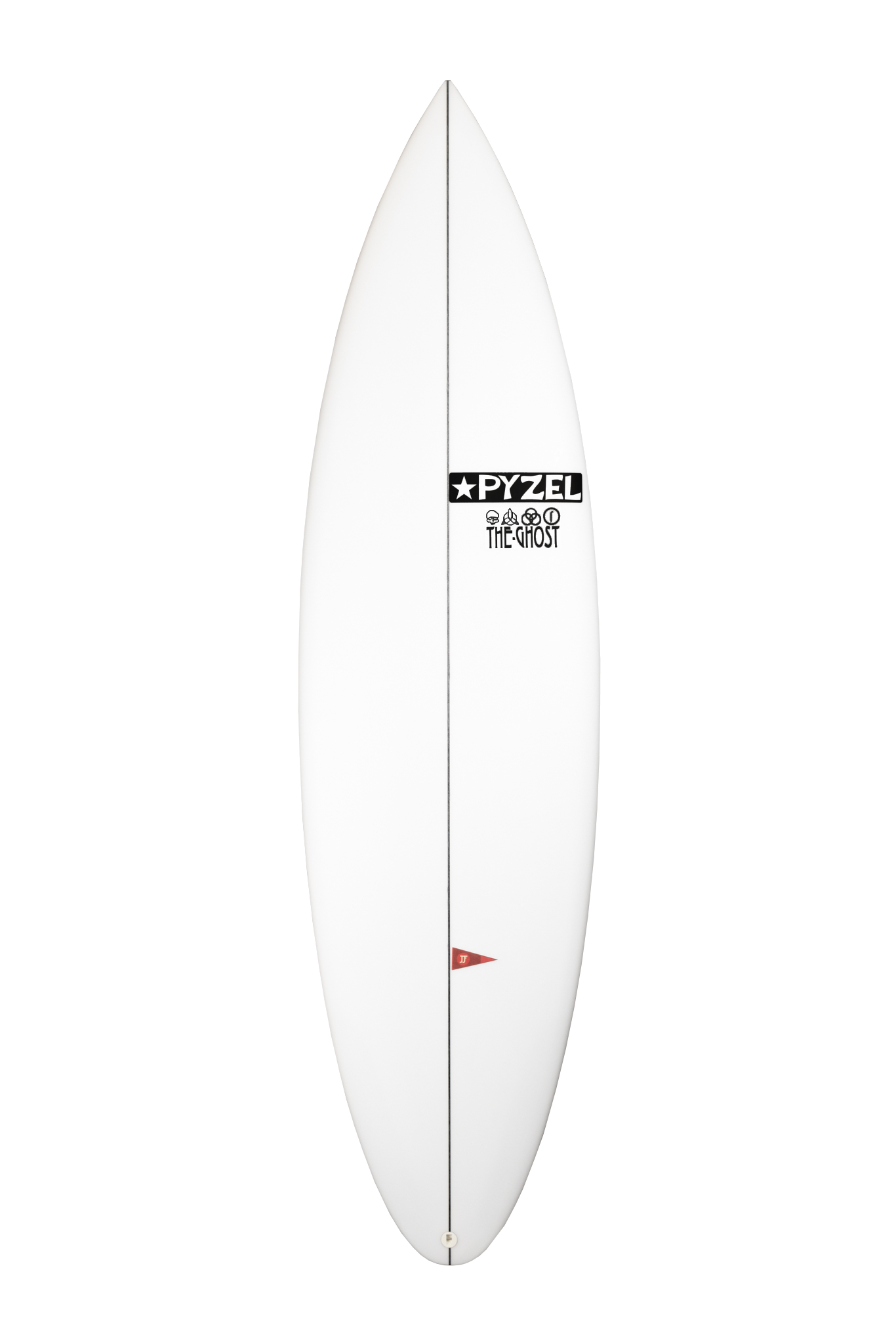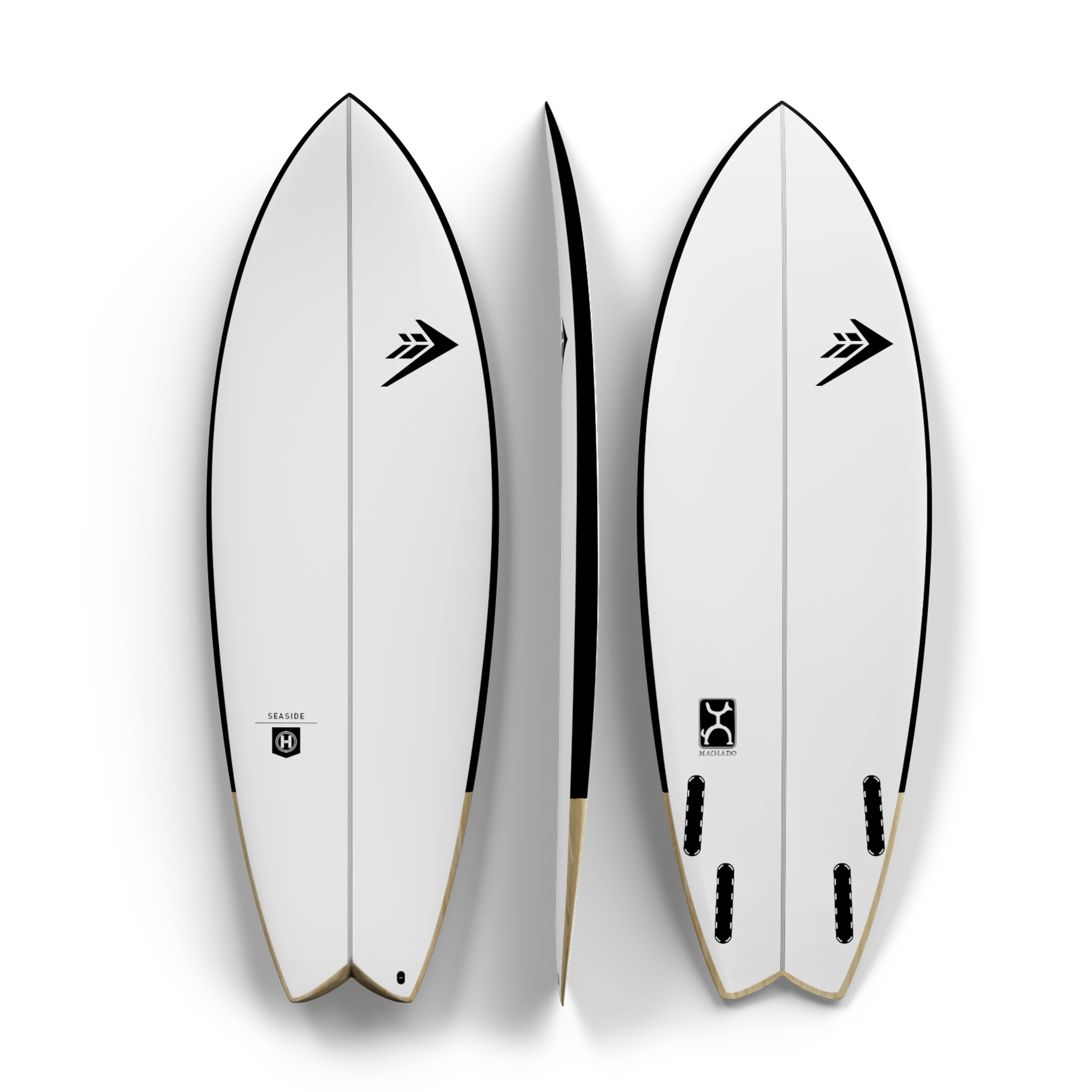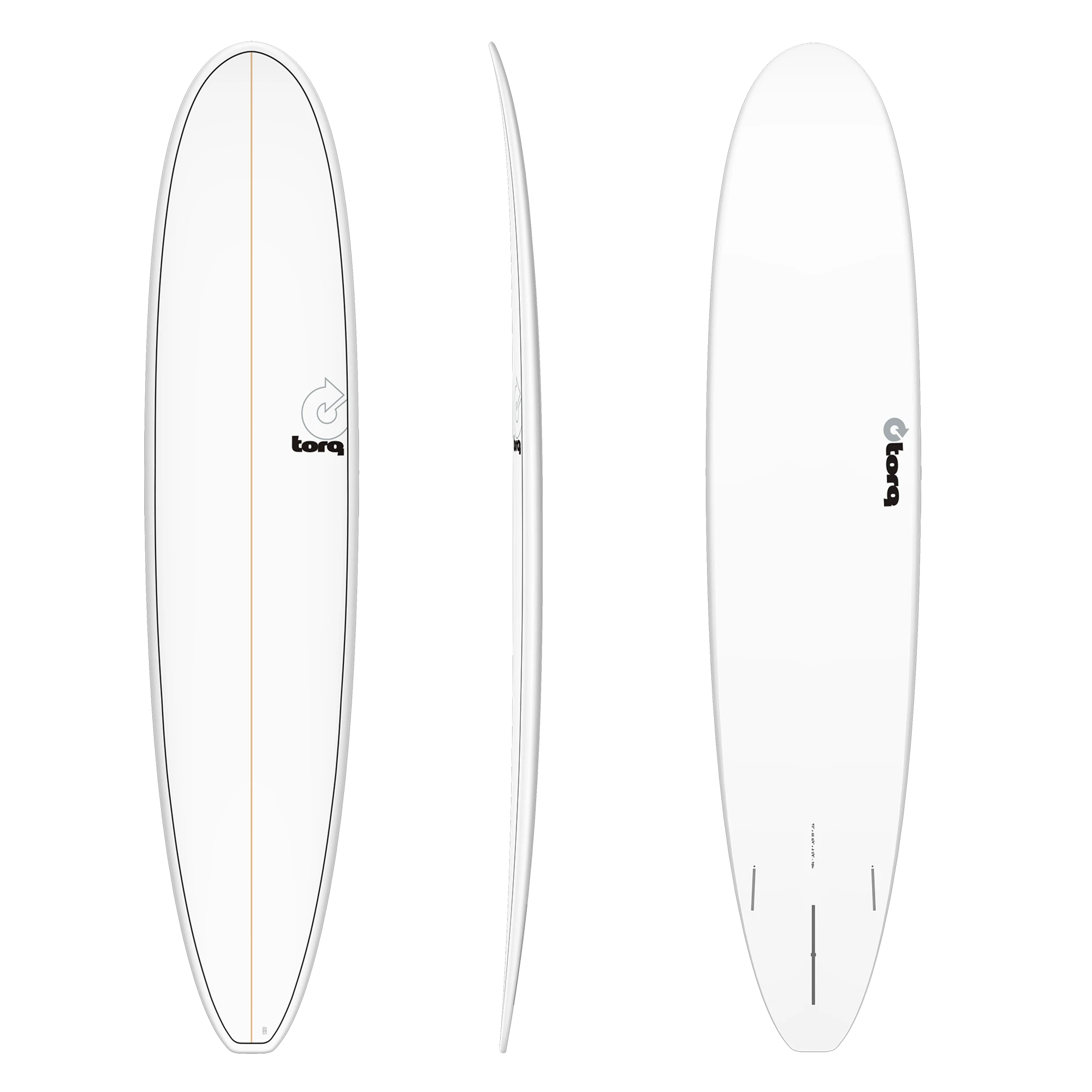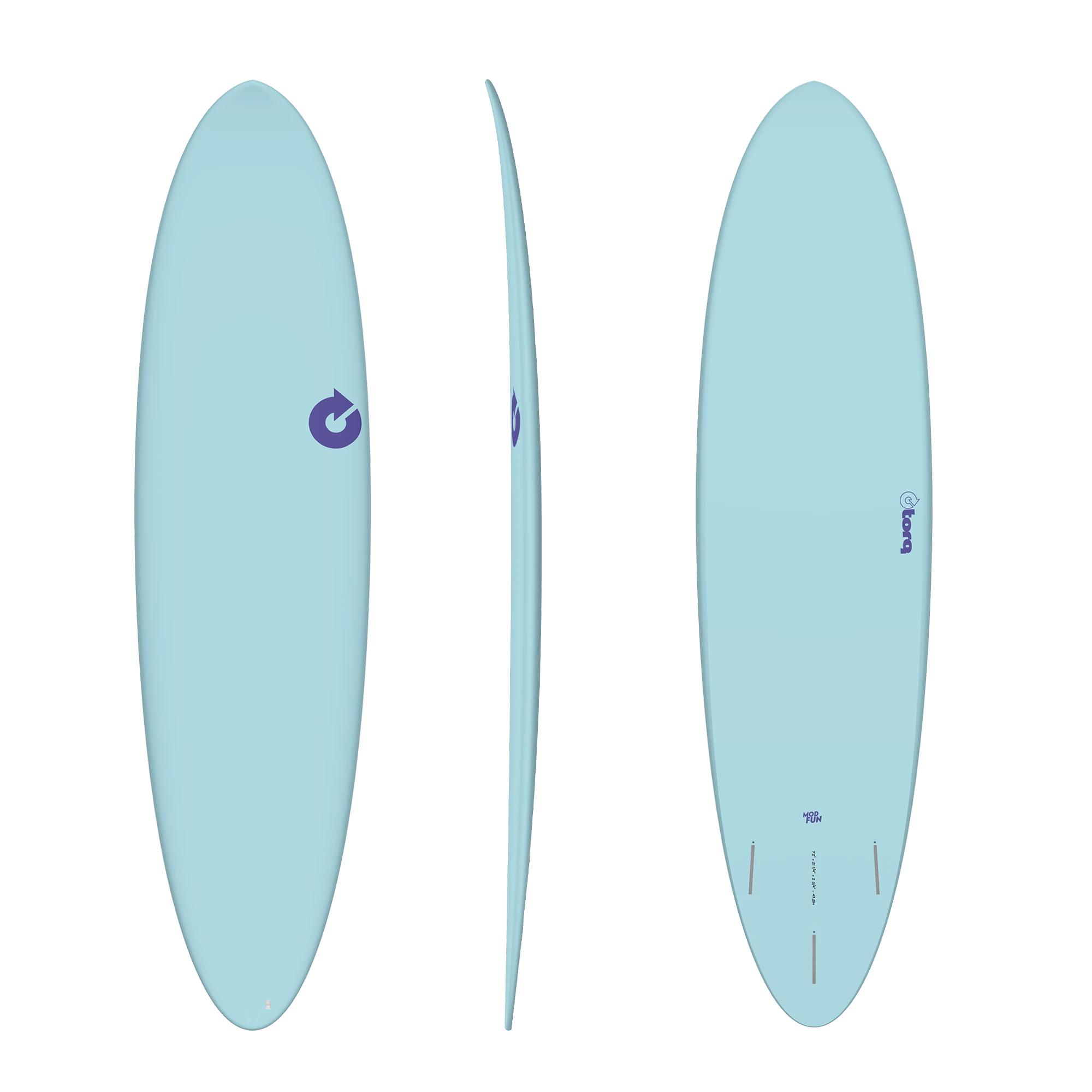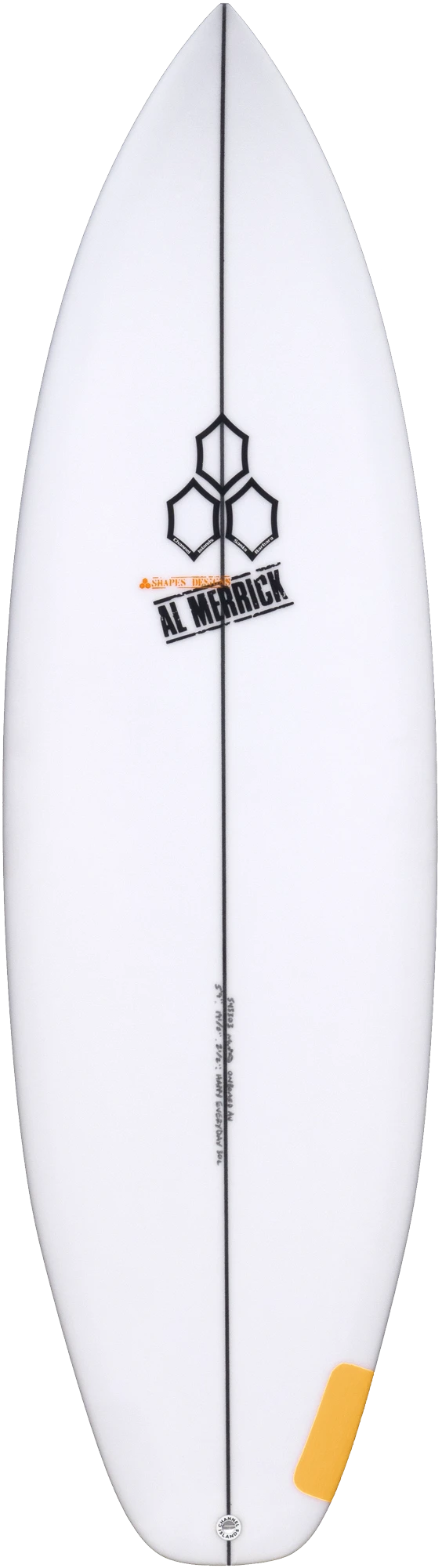
You're standing in a shop with a board that looks almost right. The model is made for your waves, but its stock sizes put you between two options. Do you buy the one you can hold today or order a custom? The useful answer starts with what, exactly, you want to change. “Made for me” is a lovely idea; “the stock board has too little foam under my chest and I know how that shows up in my surfing” is a design brief.
The short answer: Buy stock when a proven model and size already suit your waves and the board you can inspect meets your needs. Go custom when you can describe a specific shortcoming, a knowledgeable shaper agrees it can be addressed without spoiling the design, and you can accept a longer, less reversible buying process.
A stock board can be a very deliberate choice
Stock dimensions are the maker's starting point for a particular design, not a random compromise. Pyzel's custom-order advice explicitly says there is no need to alter dimensions just because you are placing a custom order. If a stock shape is close to what you want, it may be wiser to keep the dimensions and change only the glassing or artwork—or simply buy the stock board.
You can also inspect the actual stock board. Check the rails, where the width sits, the fin boxes, the weight in your hands, and the dimensions written on this board. You may be able to borrow or demo the same model before buying. That gives you evidence an unbuilt custom cannot provide. Use the Board Hogs model catalog and comparison tool to narrow the design and size first; then put your shortlist next to a board you already know.
Stock is especially compelling if you are still learning which type of board you like. Ordering a personalized version of a model you have never ridden adds choices without giving you more information about the original choice. If your current board misses waves because you are using a demanding performance shape in weak surf, a different stock design may help more than ordering that same shape wider and thicker. Rusty Preisendorfer warns that pushing a model far beyond its intended proportions can change the very thing it was designed to do.
When custom earns its place
A good custom conversation begins with evidence from your own sessions. Perhaps you like a stock model's turns but keep wishing for easier entry. Perhaps a stock size gives you enough float but feels too wide under your stance. Perhaps you need a particular fin system, construction, glassing schedule, or size that no shop carries. These are concrete questions a shaper can work through with you.
Customization is not necessarily a blank-sheet design. Channel Islands' board builder starts with one of its existing shapes and lets buyers adjust dimensions, tail, fin system, glassing, and more. Pyzel's guidance makes the same distinction: a stock outline with a modest adjustment can be more sensible than changing every number. A local shaper may also be able to discuss how your stance and regular break affect the placement of foam and curve in ways a dropdown cannot capture; Rusty's custom process explicitly begins with a one-on-one conversation about the rider's goals.
Custom can be worth pursuing when you repeatedly fall between stock sizes, already know a design family well, or have a clear job for a board that the available rack does not fill. It is less persuasive as a shortcut to certainty. A custom label cannot guarantee that an unfamiliar shape will suit you.
Count the whole commitment
Get an itemized quote. Construction, glassing, fin plugs, color, fins, tax, and shipping can change the amount you pay, and the options differ by maker. Compare the complete board you would take surfing with the stock alternative, rather than a base custom price against a ready-to-ride stock price. If you might sell the board later, remember that an unusual personal specification may appeal to a smaller group of buyers; that is a likely resale trade-off, not a fixed depreciation rule. Check comparable marketplace listings for context, while remembering that asking prices are not completed sales.
Treat timing as a question for the builder, not a promise from an old article. Pyzel's FAQ says production estimates vary and do not guarantee a delivery date. It also distinguishes returns on unridden stock boards from custom orders. Its refund policy describes limits on changes and cancellations once production is underway. Policies vary, so read the terms for the exact shaper and order before paying. A board needed for a booked trip is a poor candidate for an uncertain completion window.
Take this brief to the shaper
Bring more than your height, weight, and target liters. A useful order conversation includes:
- Your reference board: model, actual dimensions, construction, fins, and what you like and dislike about it.
- Your regular waves: how often they are weak, steep, clean, or bumpy, rather than the best day you hope to surf.
- The change you want: earlier entry, more hold, tighter turning, less swing weight, or another observable outcome.
- Your boundaries: the length you can transport, preferred fin system, durability needs, and whether you can wait.
- The shaper's objection: ask which requested change would compromise the model, and whether another shape would solve the problem more cleanly.
That last question matters. Rusty's dimensions guidance explains that changing width and thickness to chase an exact liter figure can distort a design. An experienced shaper may recommend a different model—or tell you that the stock version is already the right one. That is useful advice, even if it makes the order form shorter.
Before paying, confirm the agreed dimensions, construction, glassing, tail, fin system, artwork, total cost, estimated completion, shipping, and change/return rules in writing. Channel Islands' FAQ shows how many of those specifications can vary on a custom order. When the finished board arrives, inspect what was actually built rather than assuming it matches a generic product chart.
Which should you buy?
Choose stock if you can identify a model that suits your waves, the size is close, and you want the certainty of inspecting or trying a real board. Choose custom if you know what stock gets wrong, can explain it with a reference board, and a shaper can make a measured change while keeping the design's purpose intact. Wait and demo if the main uncertainty is the model itself. A custom order is most valuable after you have learned what to ask for.