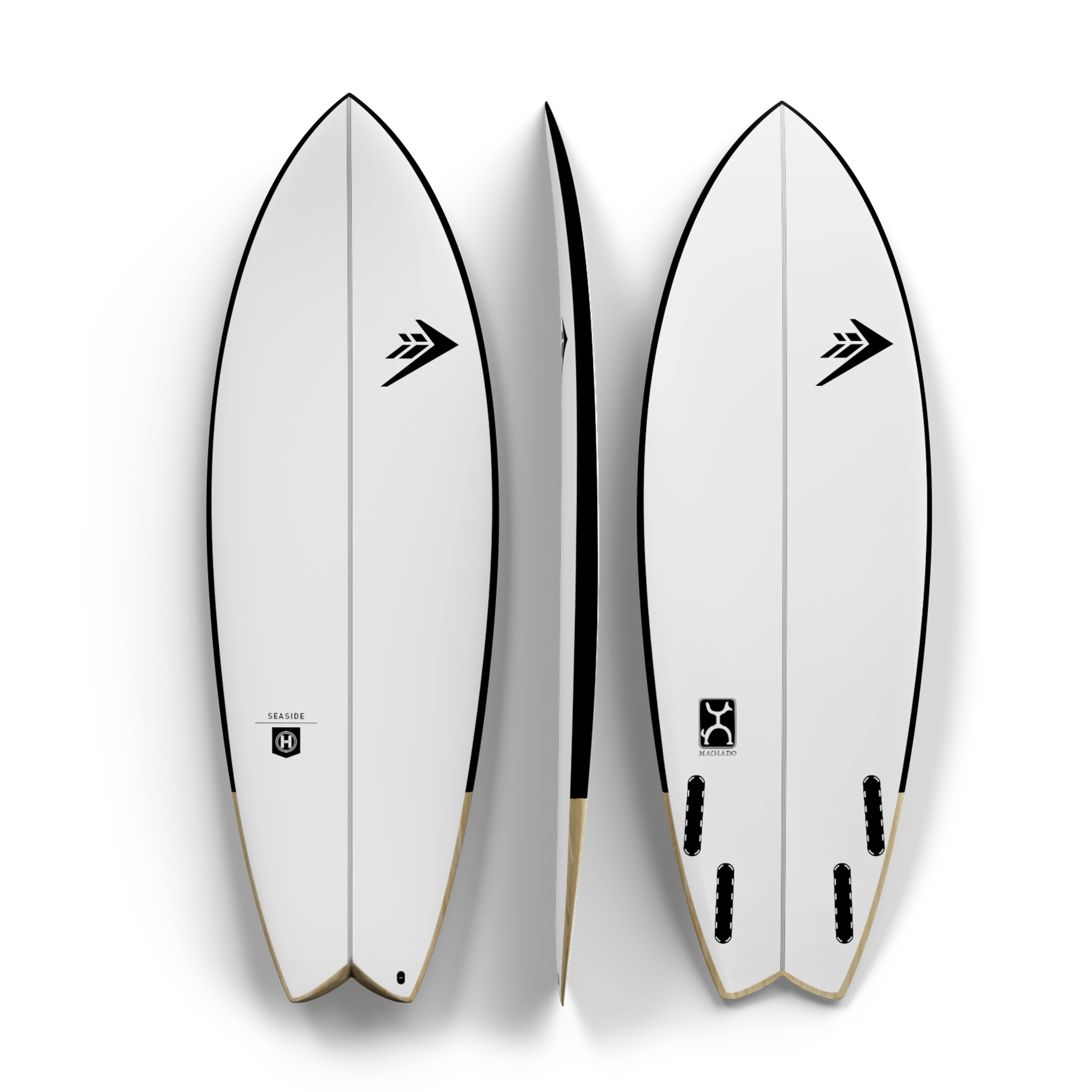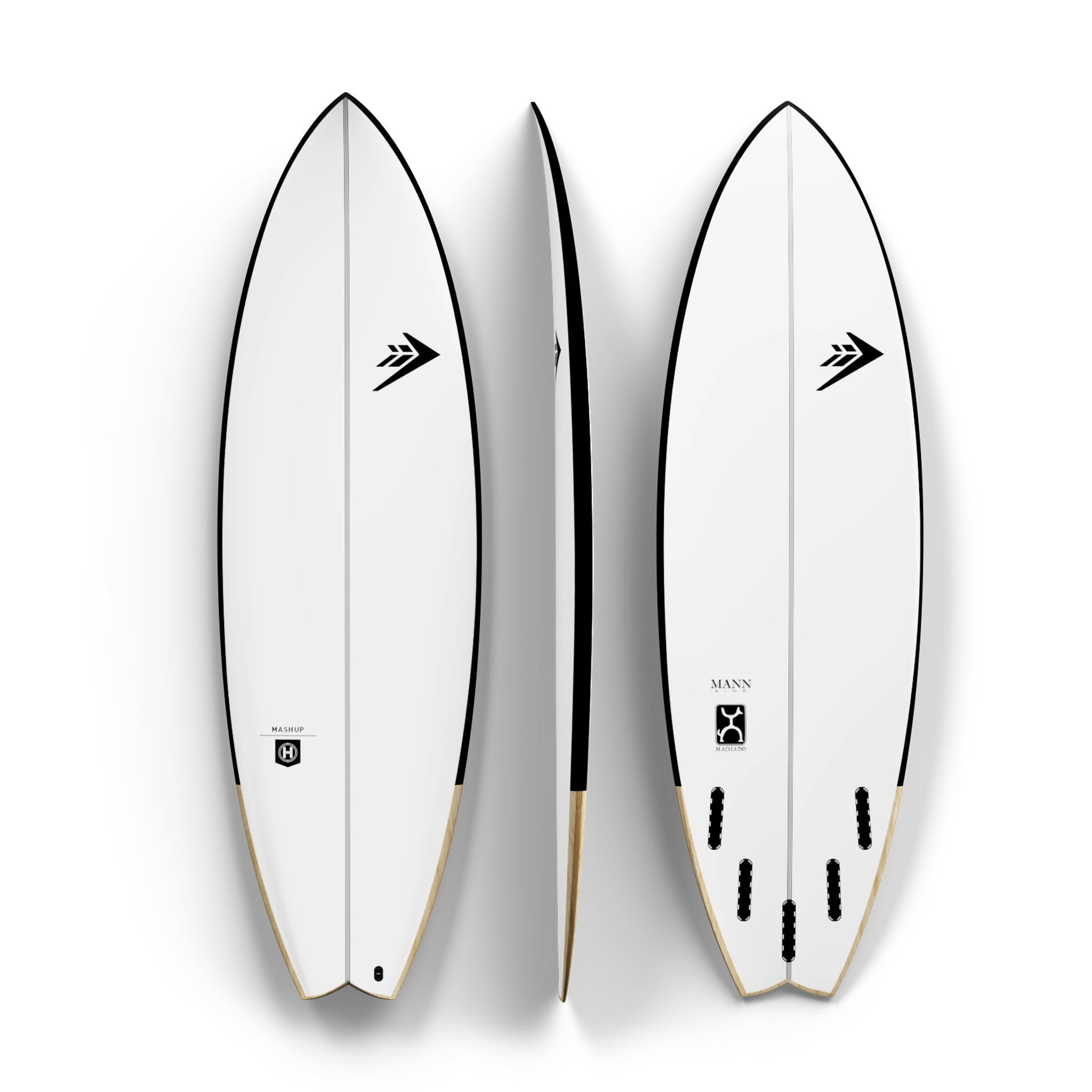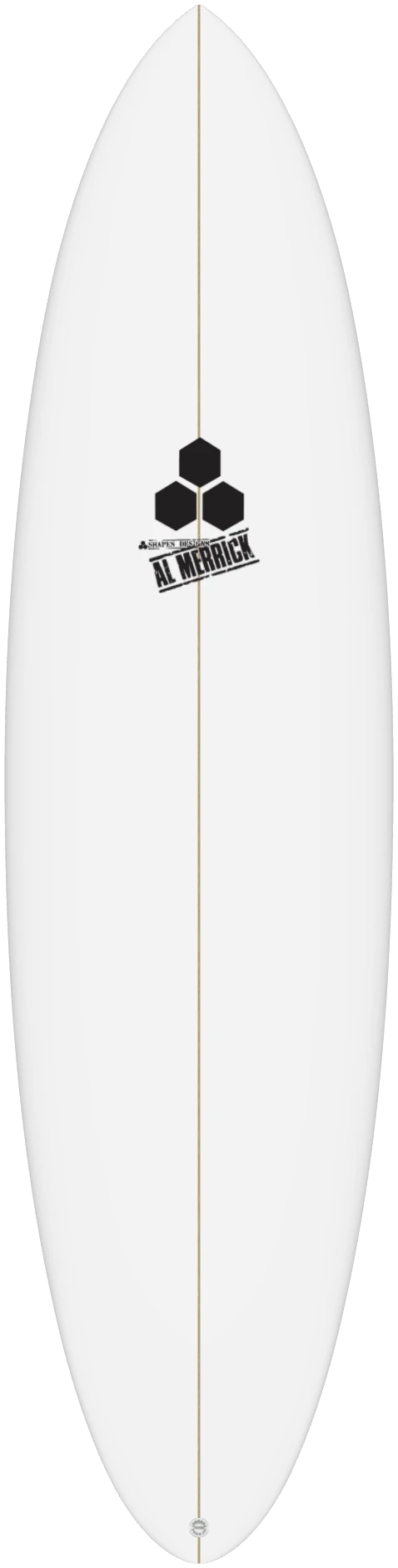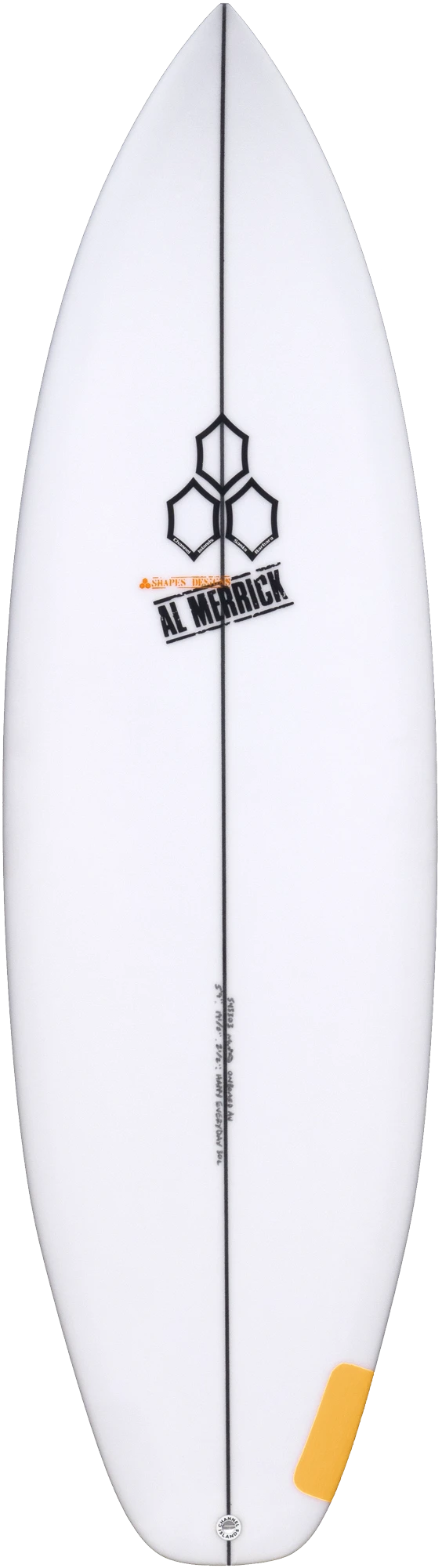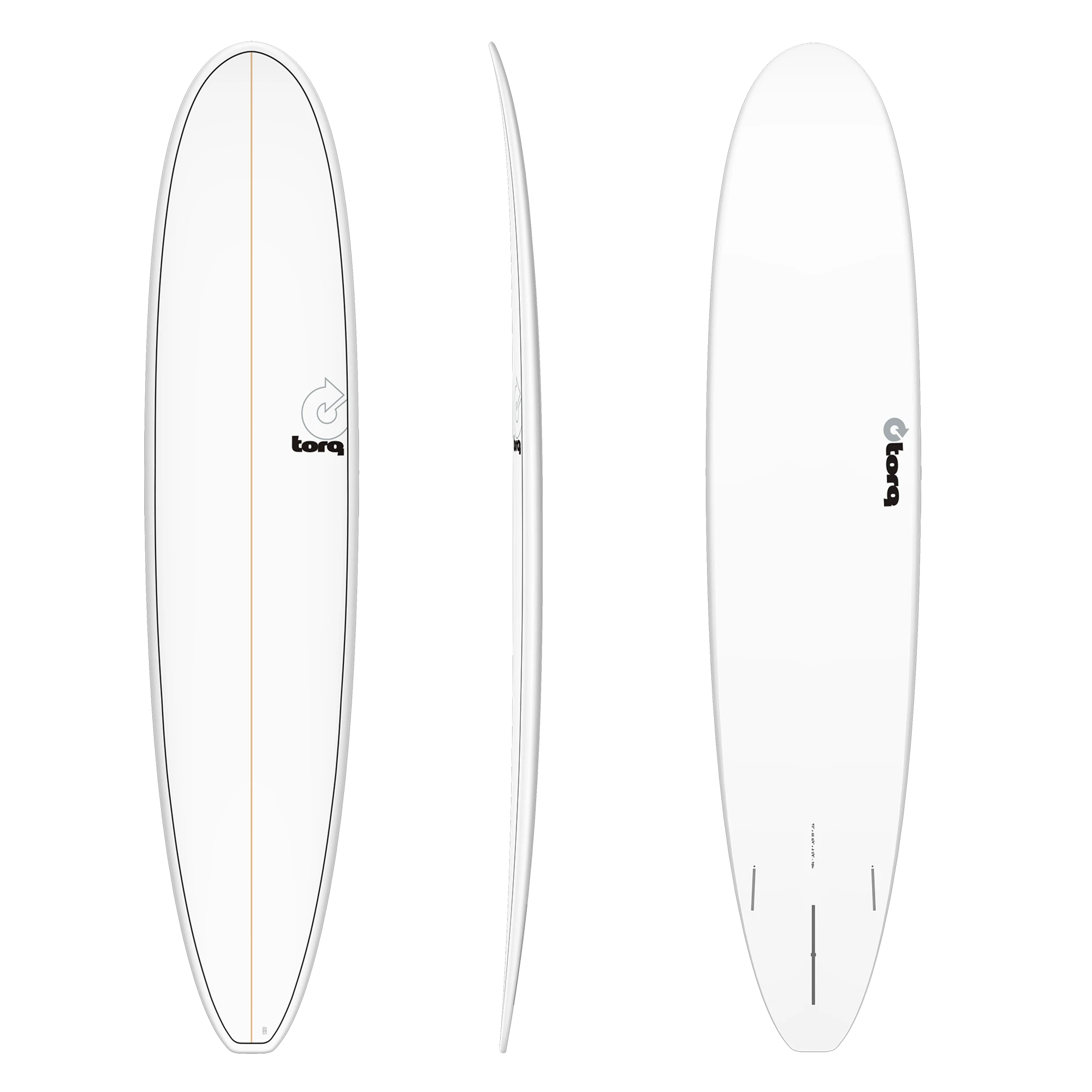
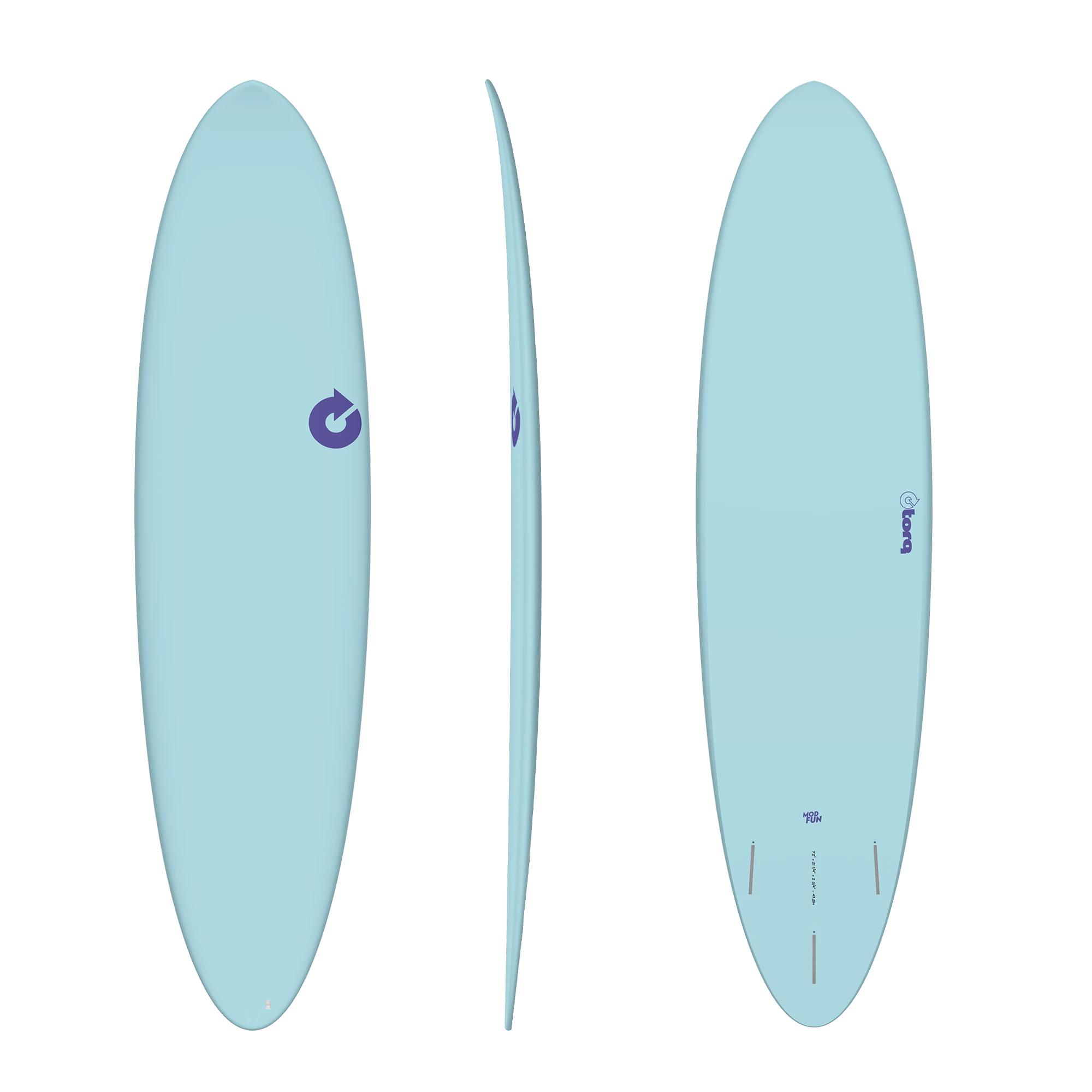
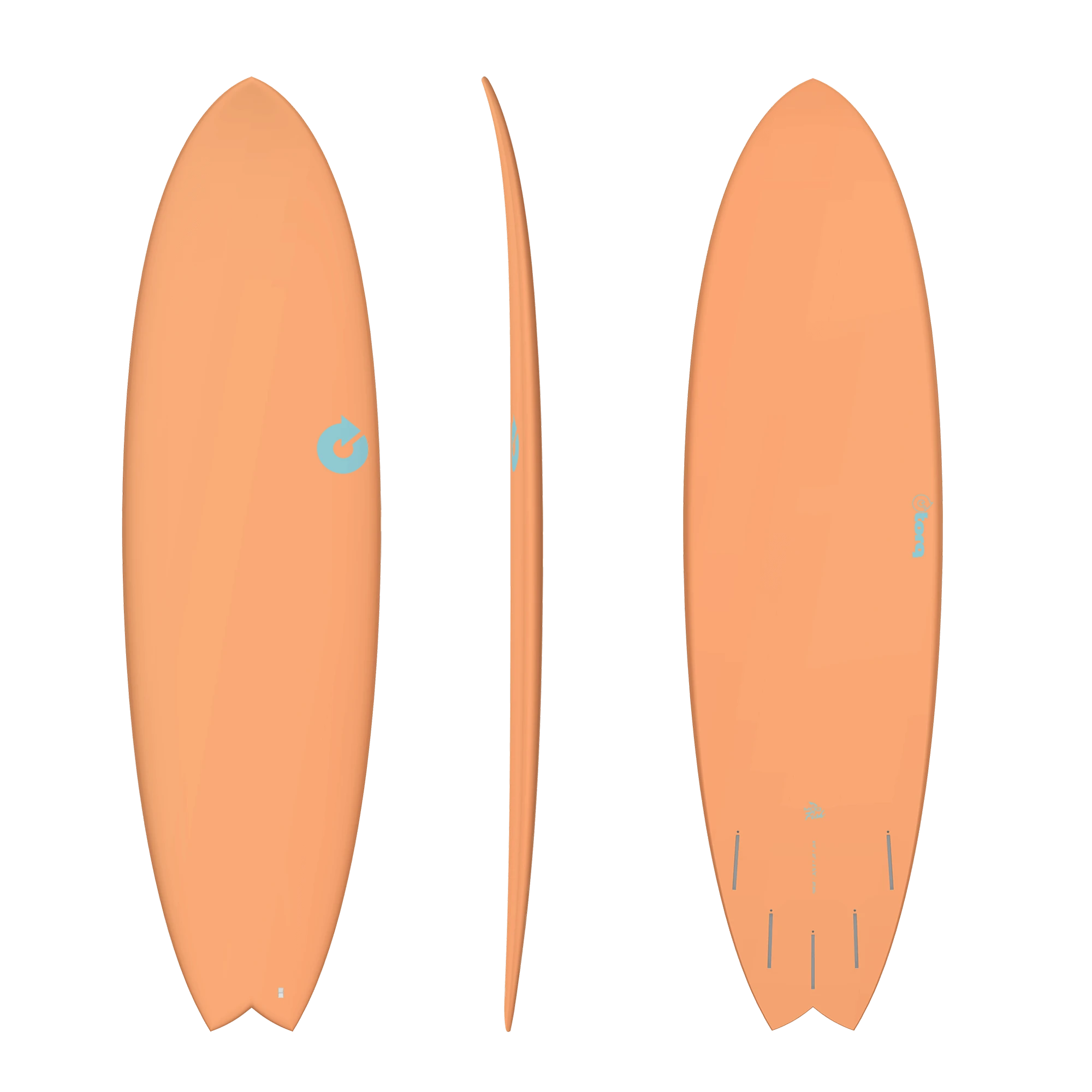
A Torq rack can be surprisingly hard to read. One board says fish but comes in 7′2″. Another looks like a funboard yet promises shortboard turns. And the same outline may appear in several constructions. Start with the problem you want the board to solve: more waves, a shorter turning radius, a different style of surfing, or better control when the surf has power.
This guide maps five representative boards in Torq's wider range. It is a comparison of the maker's published designs and stock specifications, not a claim that we have ridden every model. Torq sells many more shapes than these five, including specialist river boards and several longboard styles.
The short version
| Your ordinary session | Start with | What you give up |
|---|---|---|
| You want easy wave entry, trim and room to learn turns | Longboard | Extra length to carry, turn and store |
| You catch green waves but want a more compact all-round board | Mod Fun | Less glide than a full longboard |
| You want fish-like speed with a shorter, wider plan shape | Mod Fish | A shorter board asks for more accurate positioning |
| You already surf a shortboard and need more everyday range | Go-Kart | Less of a dedicated good-wave tool than a narrower performance board |
| You want more critical shortboard turns in waves with push | Comp2 | Less forgiveness in weak surf |
These are starting points, not a ranking. A 6′10″ Mod Fish and a 6′8″ Mod Fun are especially easy to confuse by length alone. Their outlines and intended approach are different.
Longboard: buy the glide on purpose
Torq's standard TET Longboard has a full outline and medium entry rocker. The company offers 8′0″, 8′6″ and 9′0″ stock sizes; the 9′0″ is listed at 72 liters. Torq describes small-wave glide and room to walk toward the nose, while the slightly pulled tail leaves space for turns. The 8′0″ has a thruster setup; the 8′6″ and 9′0″ ordinarily use 2+1, though the Wood versions differ. Check the fin boxes on the actual board rather than assuming all sizes take the same set.
Choose it if catching waves early, trimming, and learning or enjoying longboard lines are the point. Think twice if you mostly want tight direction changes in a short beach-break pocket. A longboard can be a permanent style choice, not merely a board to outgrow. For someone still learning independent takeoffs, Torq also sells a Soft Deck Longboard with a different build and more volume; do not treat the hard TET longboard and soft-deck version as identical just because they share a name. See the standard Longboard in the Board Hogs catalog.
Mod Fun: preserve wave count while shortening up
The Mod Fun is the useful middle of this map. Torq puts width under the chest, a medium-full nose and low-to-medium entry rocker up front, then pulls the tail in and runs vee through the back of the board. The stock TET 7′2″ is 47.2 liters; the listed lengths are 6′8″, 7′2″ and 7′6″.
Choose it when a longboard feels cumbersome but a short fish or shortboard would cut your wave count too sharply. It makes particular sense if you are catching unbroken waves and starting to turn. Avoid reading the maker's broad advertised wave range as a promise that one Mod Fun size will feel equally good in weak rollers and hollow surf. Your ability, size, and break still set the real limits. Compare its catalog entry with other mid-length models.
Mod Fish: the more compact speed choice
The Mod Fish has a full nose and width intended to help paddling and speed generation. Torq says its tail plan shape and double concave are meant to bring turns back toward the pocket, rather than making this a pure straight-line cruiser. Its five listed sizes run from 5′11″ at 33.2 liters to 7′2″ at 52.7 liters. That wide size spread is a reminder that fish is not a single difficulty level.
Choose it if your current longer board catches waves but you want a shorter, more maneuverable board for familiar surf. Do not choose it solely because it has as many liters as a mid-length. At the short end it gives up length and early-entry glide, even if the outline is generous. If you are still missing independent takeoffs, the Mod Fun or Longboard may give you more useful rides. Inspect the Mod Fish catalog entry, then compare actual sizes rather than names.
Go-Kart and Comp2: two different shortboard asks
If you can already catch and turn short boards reliably, the question changes. Torq's Go-Kart is pitched as a fast, agile shortboard with extra everyday range; its 5′10″ is 20 inches wide and 31.9 liters. The maker says its team tested it across weak and powerful conditions. That is a design and testing claim from Torq, not a guarantee for your beach break. Browse the Go-Kart model.
The Comp2 is the more performance-focused answer. Torq describes rocker changes for quicker direction changes and more critical turns, with a narrower 5′10″ at 18⅝ inches and 27.2 liters. Those two 5′10″ charts show why length alone is a poor way to choose: the Go-Kart gives you substantially more width and foam; the Comp2 asks more of the wave and the rider. Choose the Go-Kart if your regular surf is mixed and you want a shorter board without jumping straight to a narrow performance shape. Choose the Comp2 if you already make shortboard turns and have the wave quality to use its more demanding brief. See the Comp2 catalog entry.
Construction is a separate choice
Torq's model name and its construction label answer different questions. The TET range includes the Mod Fun, Mod Fish and standard Longboard in the sizes discussed here. The TEC range includes performance shapes such as Go-Kart and Comp2; ACT is another offered build on selected models. Availability and dimensions can vary by build. Do not assume a used board has the same construction or fin setup as the current product page. Read the markings and compare the actual board with the correct chart.
The practical shortlist is simple: write down the board you surf now, the waves you usually get, and one thing you wish it did better. Choose two Torq shapes with different answers to that problem, then compare size, fin boxes and construction. If you can demo one at your regular break, that session will tell you more than the broadest advertised wave-height range. You can browse Torq's Board Hogs catalog and take a few candidates to a local shop for a size check.
Sources and further reading
- Torq: All surfboard ranges
- Torq: TET Longboard, Mod Fun, and Mod Fish
- Torq: Go-Kart and Comp2
- Torq: TET, TEC, and ACT ranges