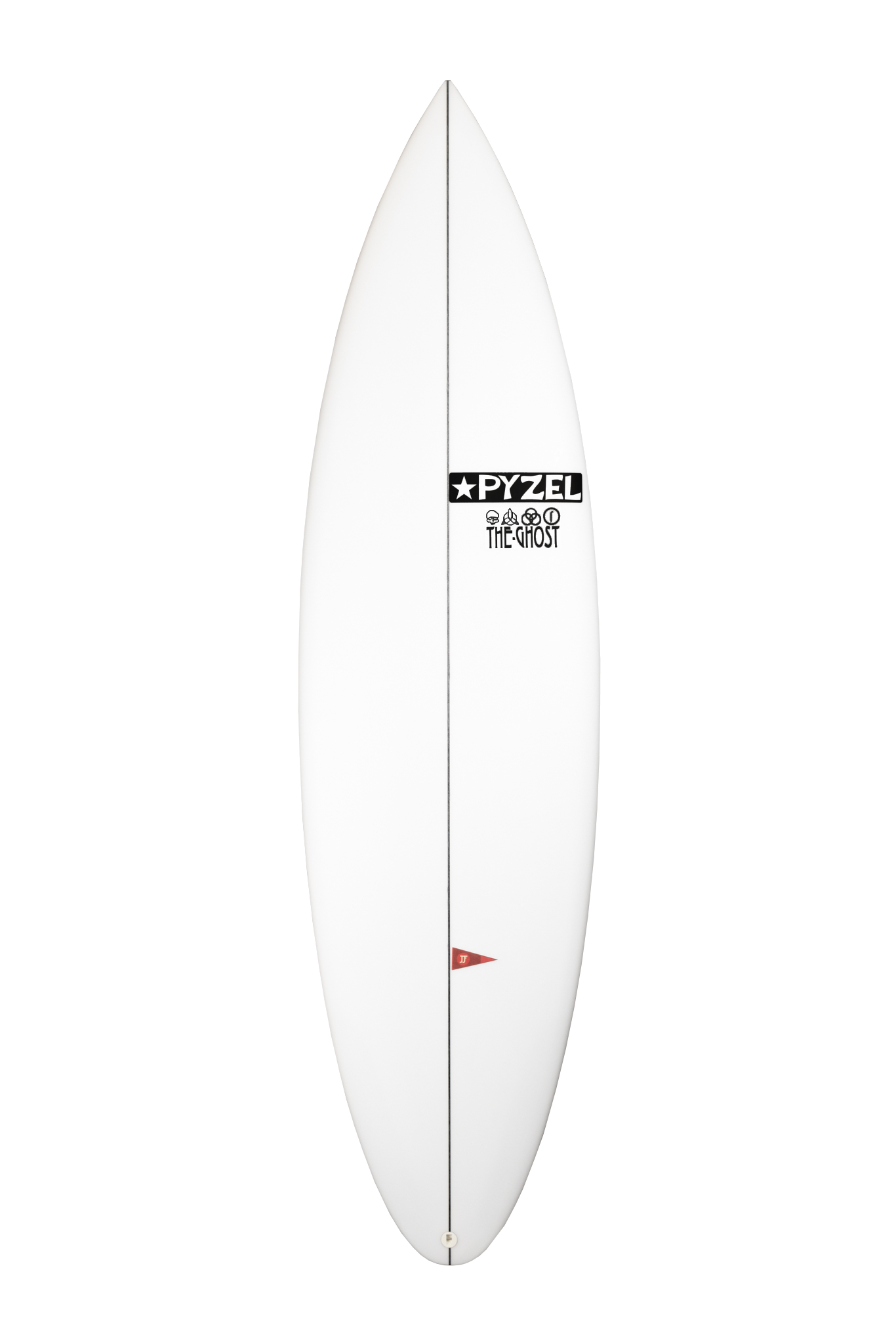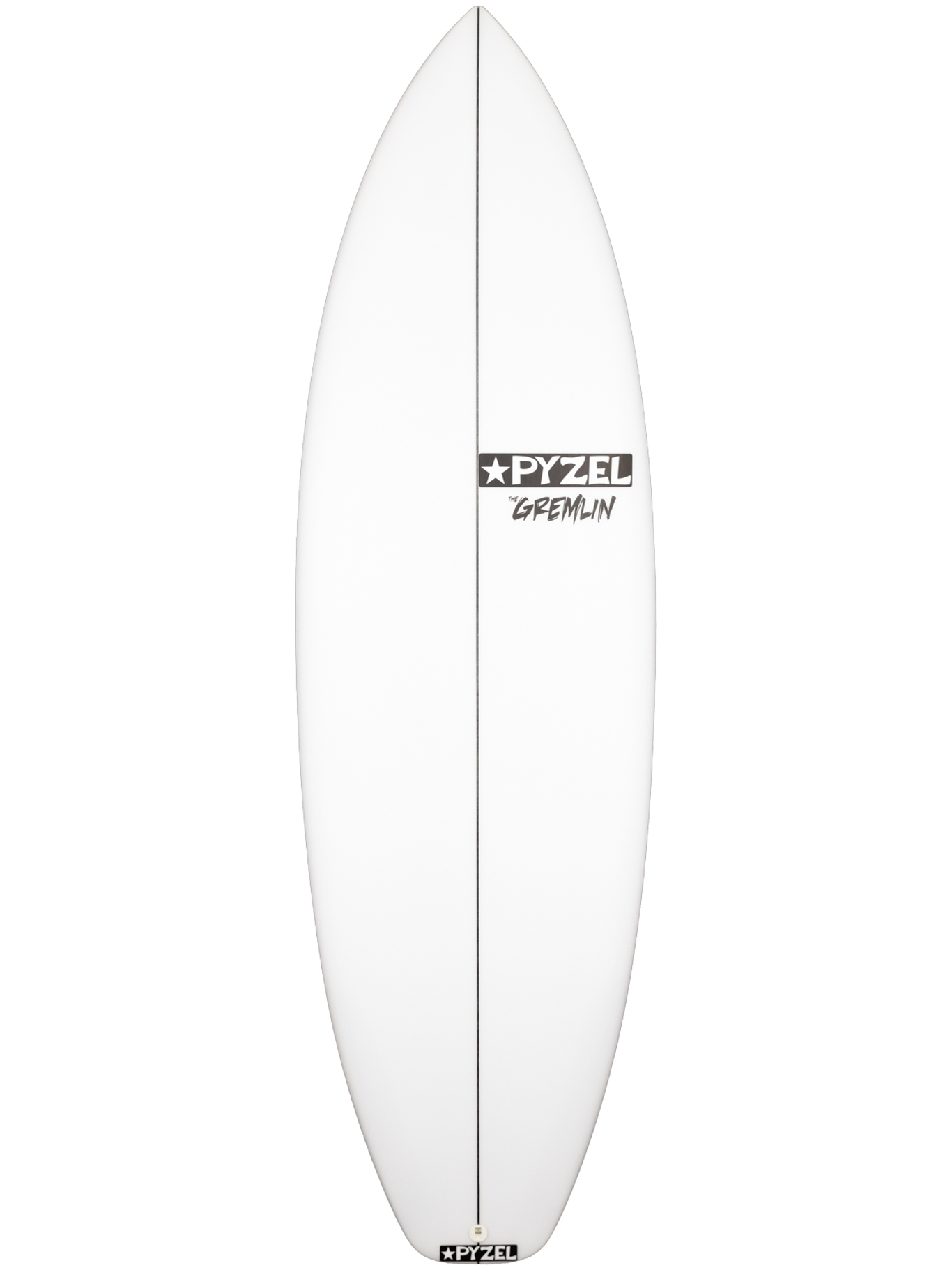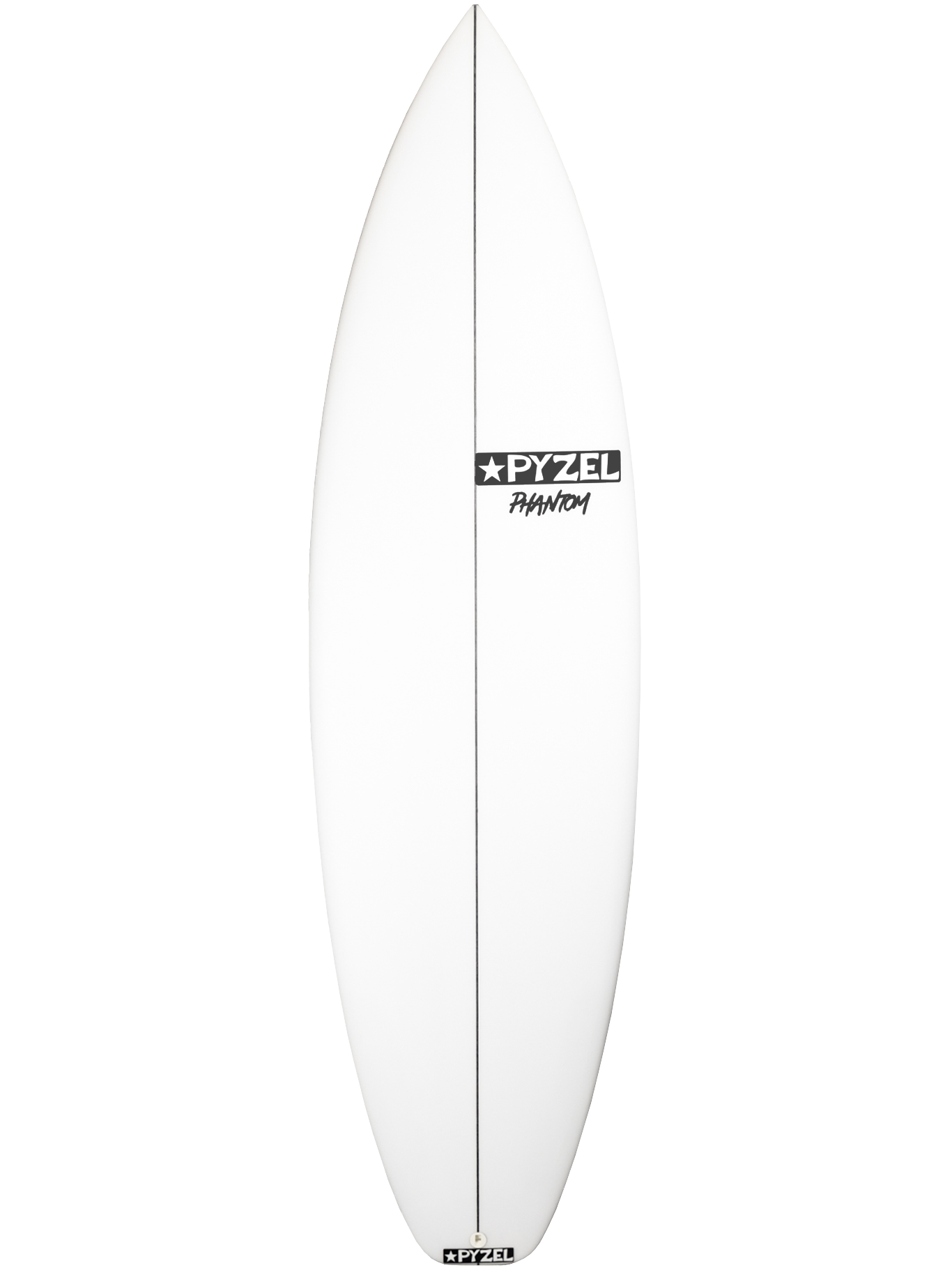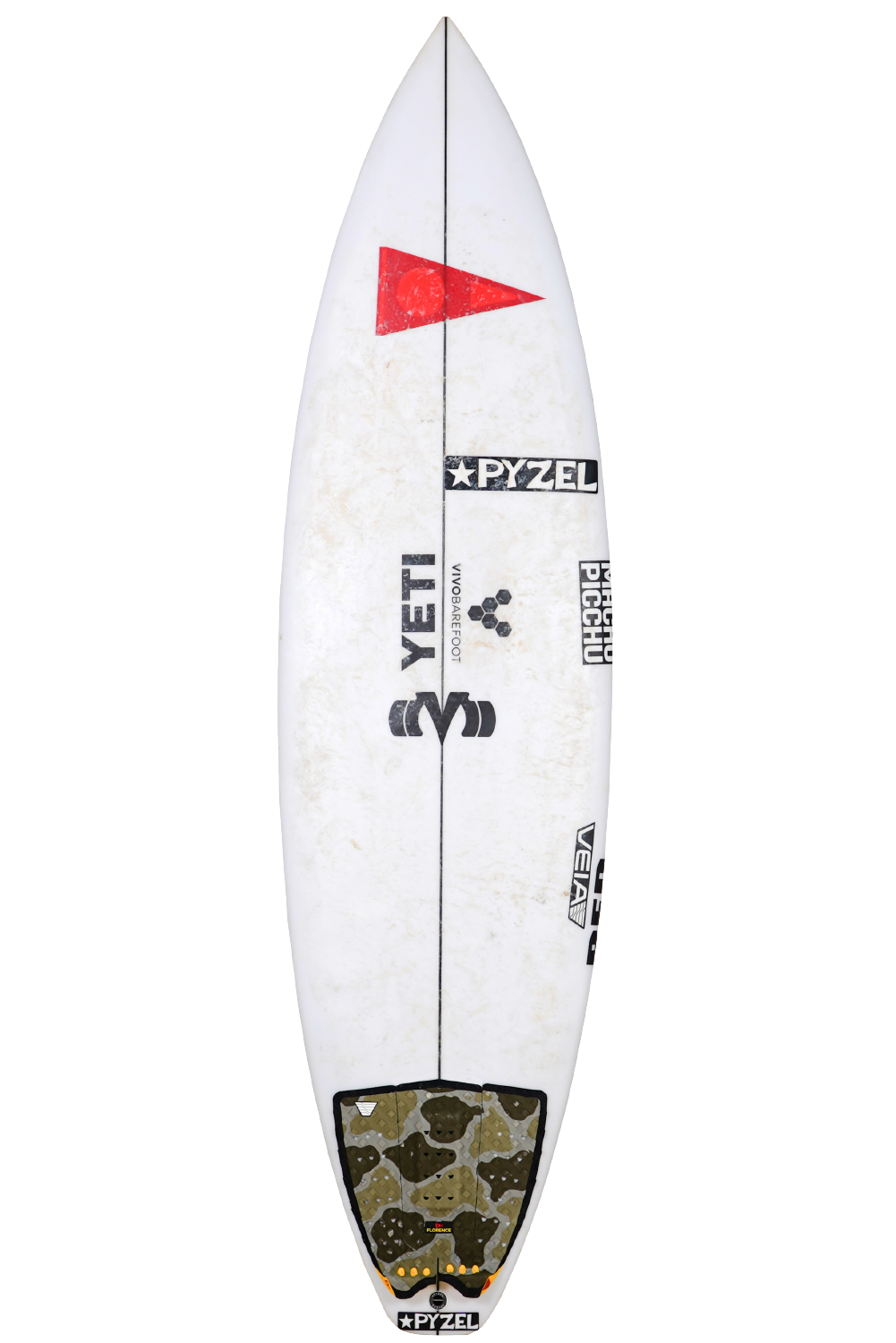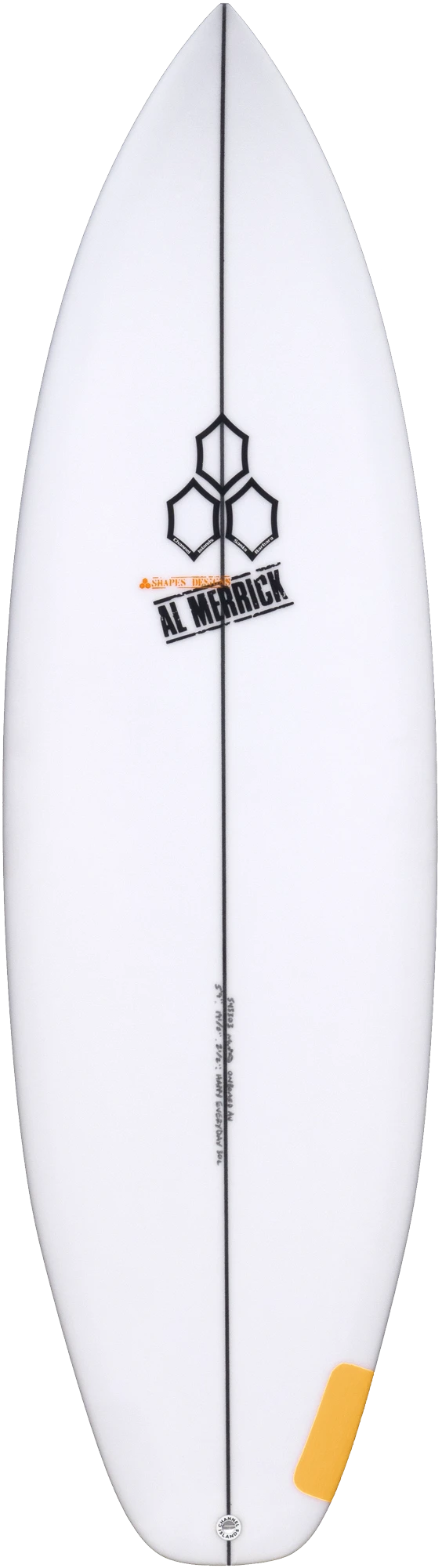

A listing says “6+4 deck, 4 bottom.” Another says “ultra light.” Neither tells you how much the finished board weighs, and neither is a guarantee that it will shrug off your next airline trip. But those numbers do give you a useful clue about what went between the shaped foam and the finished surface.
First, the ounces are for cloth
In a glassing schedule, 4 oz and 6 oz describe the weight of dry fiberglass cloth per square yard. They do not mean the entire board contains four or six ounces of glass. The cloth is cut to fit the board, laid over the foam, saturated with resin, wrapped around the rails, and sealed. Greenlight Surf Supply's building guide explains both the unit and the usual deck-and-bottom sequence.
The finished weight also includes the foam core, stringer or other reinforcement, resin, fin boxes, leash plug, and finish. A 6 oz layer uses more glass per area than a 4 oz layer, but you cannot subtract two schedule labels and predict an exact difference on a shop scale. Board size matters; so does how the cloth is laminated. If weight is a deciding factor, ask for the actual finished board weight, without fins, rather than guessing it from “4 oz.”
Read the deck and bottom separately
The deck takes pressure from feet and knees, so builders commonly put more cloth there than on the bottom. The slash or plus sign means layers, not a blend of two weights. For example:
| Schedule | What the words mean | The trade-off to ask about |
|---|---|---|
| 4+4 deck / 4 bottom | Two full 4 oz layers over the deck, one 4 oz layer under the bottom | A lighter performance build; more reason to ask about pressure dents and intended use |
| 6+4 deck / 4 bottom | One 6 oz and one 4 oz deck layer, one 4 oz bottom layer | More deck reinforcement, with some added weight |
| 6+4 deck / 6 bottom | The same deck, plus a 6 oz bottom layer | More glass throughout; ask how much weight it adds on this board |
Those are examples, not industry-wide product grades. Channel Islands' published glassing options provide a particularly clear real-world comparison: its Ultra Light shortboard schedule is 4+4 on the deck and 4 on the bottom; Standard changes the deck to 6+4; Gun Glass also changes the bottom to 6. Channel Islands describes the progression as a weight-versus-durability choice. Its stock choice even changes with board length, and custom orders can differ. Read the schedule on the specific board, not just the model's name.
Greenlight's layer-by-layer comparison makes the same basic trade-off. The extra cloth can help resist ordinary pressure dents and dings, but it adds material. That is a useful starting point if you ride a board hard, share it, or want to keep it for years. It is not an instruction to order the heaviest possible layup for every shape.
The part a three-number shorthand misses
Two boards can both say “6+4 / 4” and still be different builds. Ask whether the layers are full length or partial. Channel Islands' Team Light option, for instance, specifies a full 4 oz deck layer plus a three-quarter deck layer; writing that simply as “4+4” would hide a material difference. Builders may add a deck patch where the rider stands or local patches around fin boxes. Greenlight discusses both kinds of reinforcement in its glassing guide.
Cloth type matters too. “4 oz E-glass” and “4 oz S-glass” name different fibers, even though the weight label looks the same. Greenlight's fiberglass explanation describes why a builder might choose S-glass, warp-oriented cloth, or a heavier traditional longboard layup. Rail laps and lamination quality matter as well. A schedule is an ingredient list, not a laboratory strength rating for the completed board.
The core and resin need their own line in your notes. PU and EPS identify different foams; polyester and epoxy identify resins. EPS must be laminated with epoxy, while PU can be paired with either, as Foam E-Z's materials FAQ explains. A “6 oz epoxy board” still leaves the core, other cloth layers, and finish unspecified. If those materials are new to you, our PU vs EPS/epoxy guide covers the full construction choice.
Which schedule belongs on your shortlist?
If you want a light, responsive shortboard for good waves and accept that it may show pressure dents, a 4+4 deck and 4 bottom is a reasonable construction to investigate. If your current board dents easily under your feet, look at a fuller deck schedule or a targeted patch, then ask the shaper what that does to this board's finished weight. For a longboard or a board you expect to keep through rougher handling, a heavier schedule may be a worthwhile compromise. Foam E-Z's glassing lesson describes the common contrast between lightweight shortboards and traditionally heavier longboard layups, while also stressing that the glass job itself matters.
Do not let a schedule overrule board fit. A durable board that is wrong for your waves, ability, or turns is still the wrong board. Compare the shape first in the Board Hogs model catalog, then use construction details to distinguish candidates that actually serve the same job. You can also browse Channel Islands models while checking the maker's separate glassing options; a catalog model entry does not certify the layup of a particular custom or secondhand board.
Questions to ask before paying
- What are the full deck and bottom layers? Are any of them three-quarter layers, deck patches, or fin-box patches?
- Which cloth, core, and resin were used? “Epoxy” alone does not answer the cloth schedule, and “6 oz” does not answer the foam or resin.
- Is this the stock construction for this exact size? If it is custom or used, ask for the original order details or glasser's markings when available.
- What does the finished board actually weigh? Compare that number with a similar-size board you know, without fins and accessories.
- What wear is already there? Pressure dents, open dings, soft spots, and repairs tell you more about a used board's present condition than its original schedule alone.
The useful question is not “Is 6 oz strong?” It is “Where is the glass, what else is in the build, and does that compromise fit the board I am buying?”