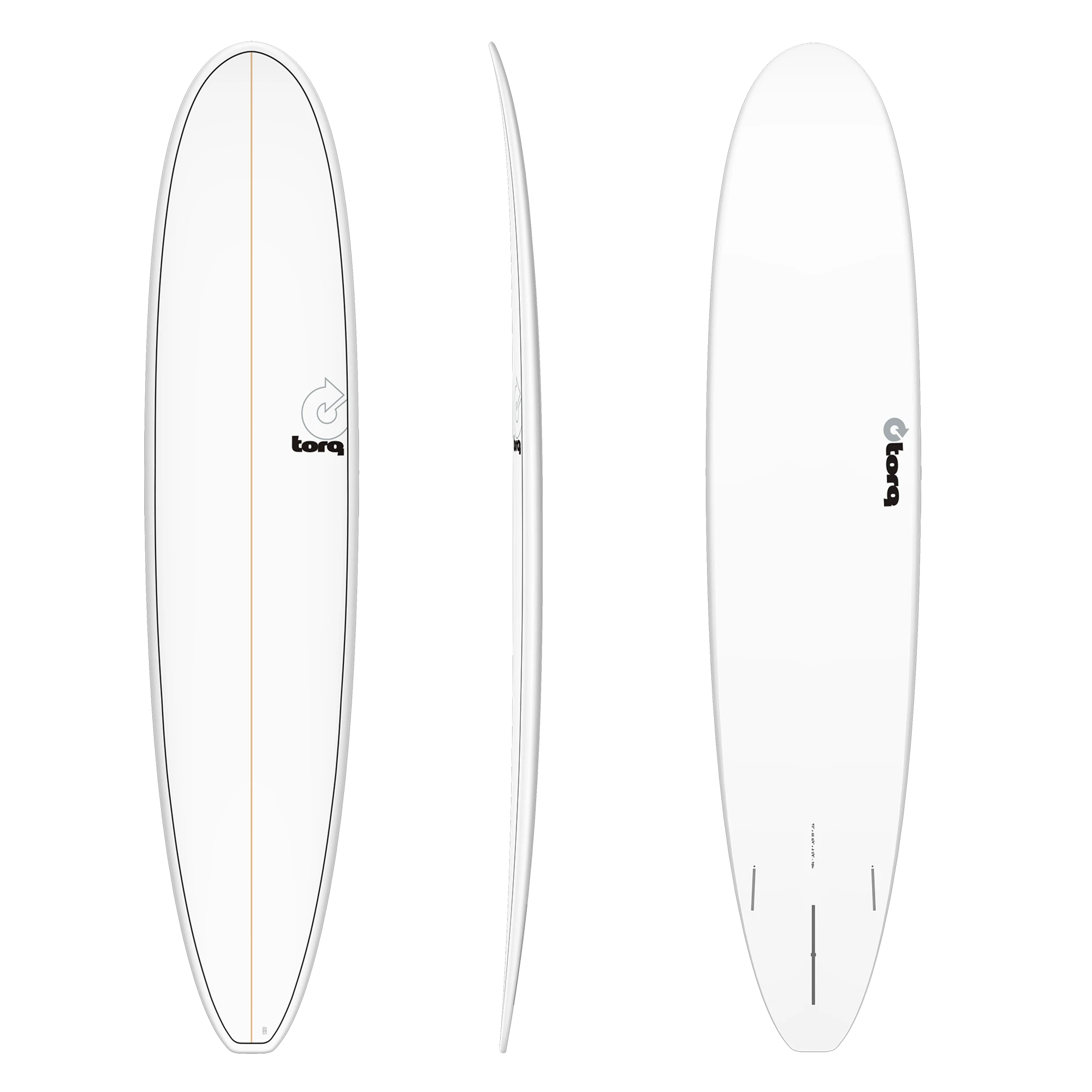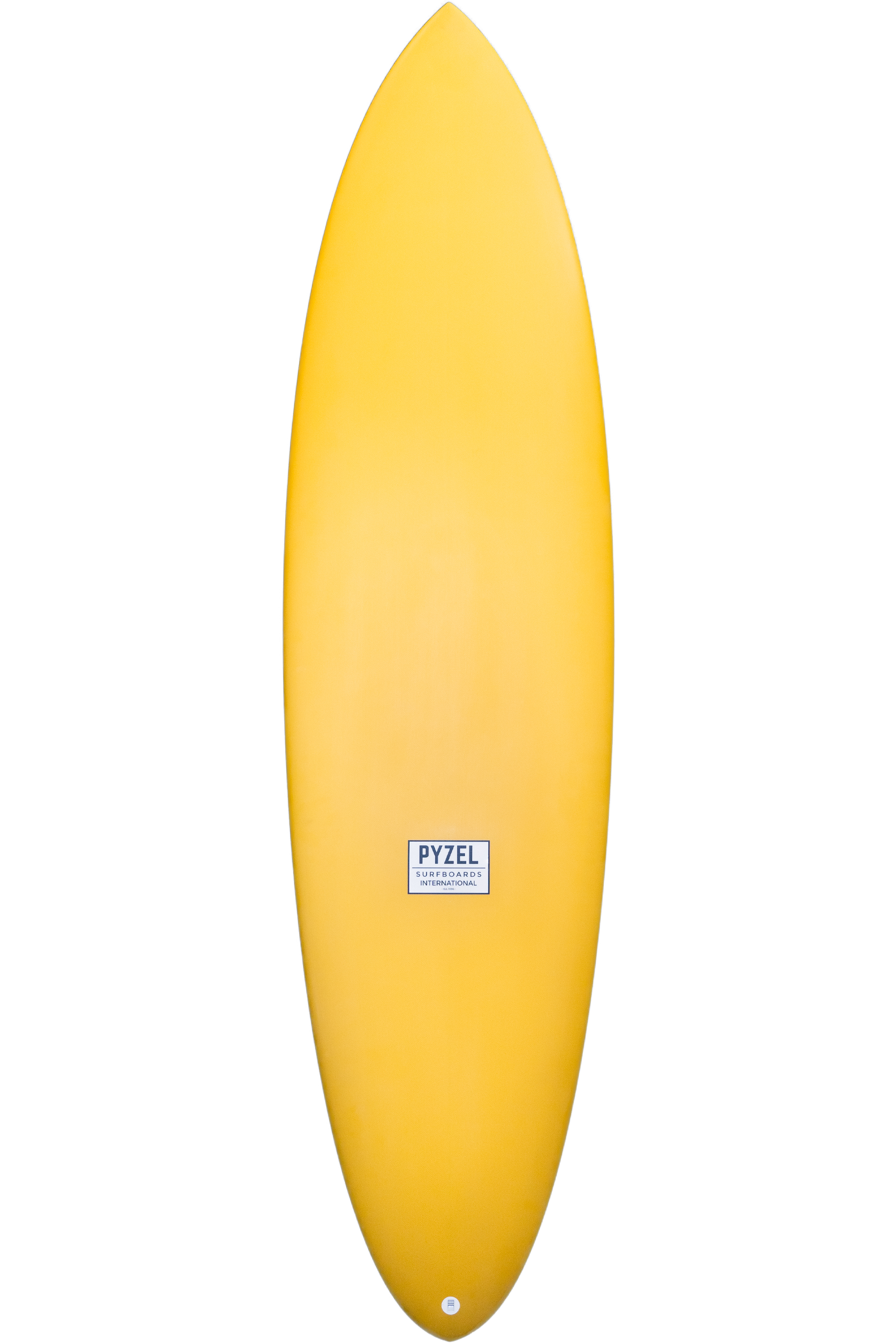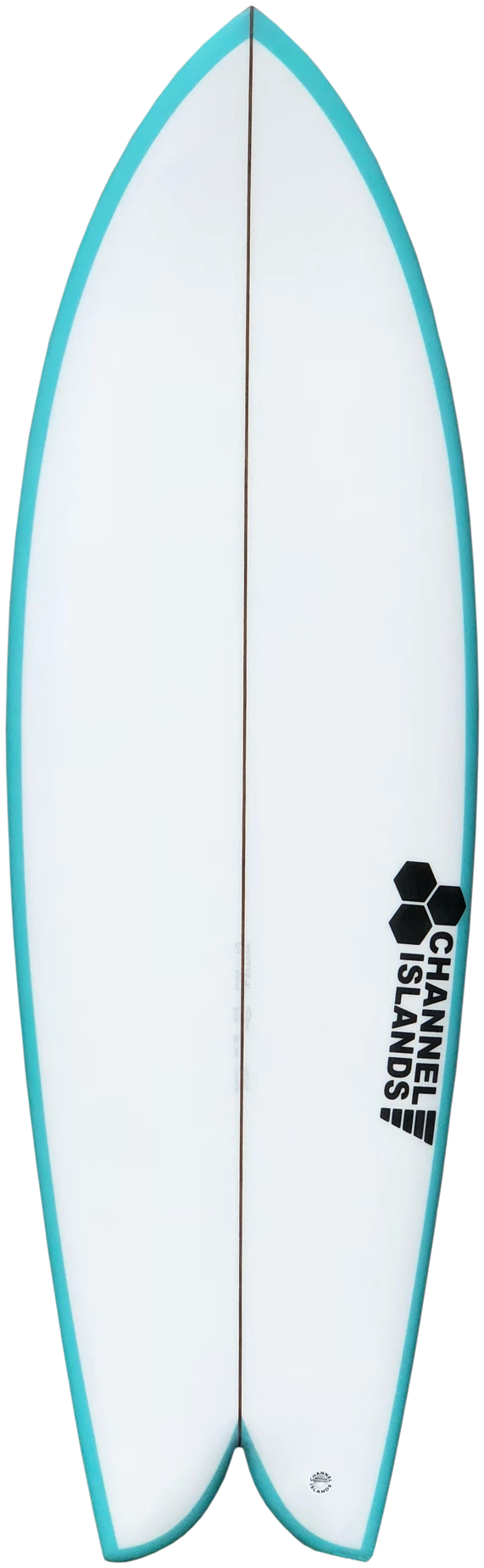
Your first board has probably taught you more about your second board than any size chart will. Think about the last few sessions you almost skipped. Were the waves too soft to catch comfortably? Did your board catch them but feel cumbersome once you stood up? Or did it work fine until the face went flat? A mid-length and a fish answer different versions of that problem.
This guide assumes you can already catch unbroken waves on your own and are choosing a board to add, not a board to replace a foamie you are still learning on. If you're at that earlier stage, start with the after-a-foamie guide. Surf Simply's coaching levels are a useful reminder that “intermediate” is too vague: catching a wave, angling the takeoff and making a turn are separate skills.
The short answer
| Pick a mid-length when… | Pick a fish when… |
|---|---|
| You want to preserve early wave entry and a generous margin for imperfect positioning. | You already catch waves consistently and want a shorter board for making speed and changing direction. |
| Your favorite rides have room for a long line and an open-faced turn. | Your usual waves offer a wall, but flatter sections rob your current shortboard of speed. |
| The board you own is a shortboard that only comes alive when the surf improves. | The board you own is a longboard or roomy mid-length, and you want a noticeably different way to surf. |
These are starting points, not rules printed on a board. Surfing England describes funboards and mid-lengths as accommodating newer and intermediate surfers, while its fish description points mainly to intermediate and advanced riders in smaller surf. The difference is especially useful when someone calls both shapes “easy.” Easy to paddle, easy to catch waves and easy to turn are not the same promise.
What changes in the water?
A mid-length gets much of its appeal from length: more rail in the water, room to move, and the chance to enter a wave early enough to set a line. That does not mean every mid-length is a miniature longboard. The Channel Islands CI Mid is a good example of a specific design brief: a sleek egg outline, low entry rocker and foam slightly forward for paddling and trim, with a more responsive tail. Channel Islands positions it for smaller surf and for clean, open point waves. Its stock setup is 2+1, so the center fin and side bites are part of the choice.
A fish offers a different kind of small-wave help. Its compact, wider outline can carry speed through a weak section without asking you to draw the same long arc. The Channel Islands CI Fish uses twin keels and a traditional-looking plan shape with a modern foil and bottom. Channel Islands describes it as capable in an average grovel session and on clean head-high points. That's the maker's intended range, not a guarantee for every surfer or beach. A fish can be fast and inviting, but its shorter length still asks more of your takeoff position than the word forgiving suggests.
The overlap is real. Both boards can be fun in modest surf; both can make you rethink what “performance” means. The difference is where you want the help. If you need more chances to catch the wave, length is worth serious consideration. If you already get in and want to keep a short board moving once you're up, look closely at a fish. The line you want to draw is as important as the wave size on the forecast.
Let your first board cast the deciding vote
If you own a longboard: A fish may create the bigger change in your quiver. It will demand more accurate positioning and a quicker takeoff, then give you a compact board for working across the face. Choose a mid-length instead if your goal is a slightly shorter, more responsive ride while retaining much of the familiar glide. Don't buy a fish purely because you can stand up on a longboard; first check whether you can angle into unbroken waves and turn reliably. That distinction follows the observable skills in Surf Simply's level guide.
If you own an everyday shortboard: A mid-length often covers a more different job. On slow days, it can help you enter sooner and stay involved in a rolling wave. A fish may also improve your small-wave sessions, but ask whether it is truly different from the wide, low-rocker shortboard you already own. If the two boards would go out on the same days, the purchase may add less range than you think.
If you own a roomy funboard or mid-length: A fish makes sense when you consistently catch waves on that board and want to try a shorter outline. If you're still missing most unbroken waves, another shape with less length may reduce your practice time. Surf Simply's discussion of useful practice makes the practical point: progress needs repeated attempts and feedback. A board that halves your wave count needs to deliver a learning opportunity worth that trade.
Compare an actual pair before choosing a size
Channel Islands lists the stock 7′0″ CI Mid at 44.9 L, with a 2+1 setup; its stock chart gives the full dimensions. The CI Fish chart lists a 5′8″ at 31.6 L with twin keels. Those are examples of two designs, not recommended sizes for you. Choosing either from length or liters alone would skip the outline, rail, fin setup and the board you already know.
Before paying, write down your first board's dimensions and answer three questions: What waves does it already handle? On which waves do you wish it caught more? What do you want to do after the takeoff? Then compare a few actual models in the mid-length catalog and fish catalog. You can also inspect the CI Mid and CI Fish model entries; those paths match the current Board Hogs catalog snapshot, though stock sizes and availability should always be checked with the maker or seller.
If you can borrow or demo both shapes on a wave you surf regularly, do it. A second board earns its place when it makes a session your first board struggles with genuinely better—or lets you surf the same wave in a way you want to learn.