If the CI Mid is on your shortlist, you probably want more than an easy paddle. You want to get in early, draw a clean line, and still feel the board respond when you step back and turn. Several other mid-lengths promise some version of that day. The useful question is which part of the day matters most to you?
The boards below are alternatives to consider, not interchangeable copies. This comparison comes from the makers' designs and stock charts; we have not ridden four 7-foot boards back-to-back. Your size, fins, ability and local wave will change the result.
First, what job does the CI Mid do?
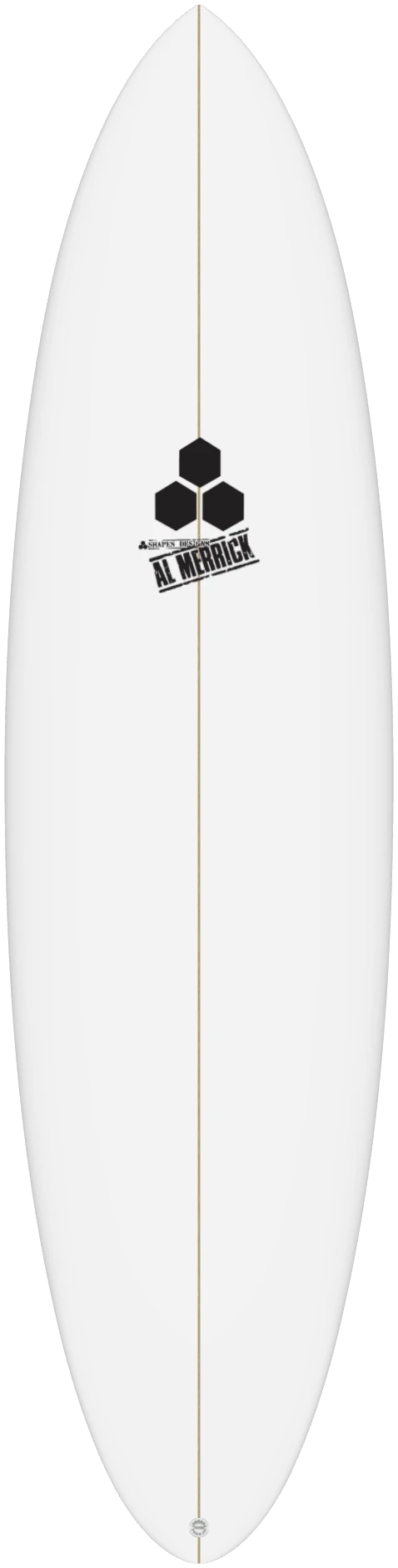
Channel Islands describes the CI Mid as an egg-inspired board with low entry rocker and foam slightly forward for paddling and trim. Double concave, more rocker toward the tail and firmer tail rails are intended to keep it responsive. It is a 2+1 design, and the brand makes a particular case for flowing turns in shoulder-high to nearly double-overhead point surf. That is a manufacturer's intended range, not a promise that every rider can take one board through all of it.
The interesting thing about an alternative is not whether it is also 7 feet long. It is whether it moves the balance toward more classic flow, more shortboard-style surfing, or easier speed in the smaller waves you usually get.
| Stock board at 7′0″ | Published volume | Fin direction | The design question |
|---|---|---|---|
| CI Mid | 44.9 L | 2+1 | Egg-like flow with a responsive tail |
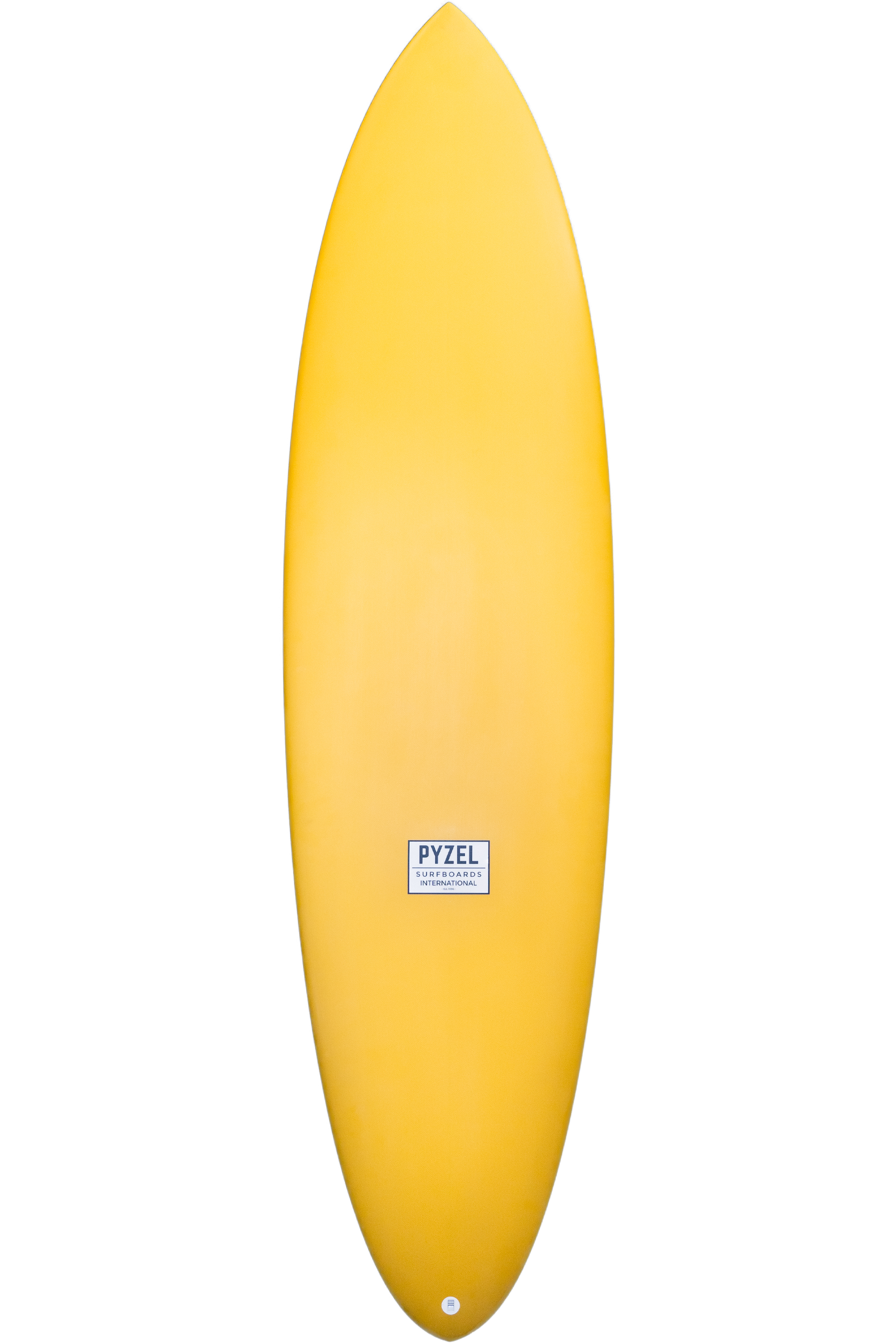
| Pyzel Mid Length Crisis | 44.1 L | Single or 2+1 | Smooth, adjustable classic lines |
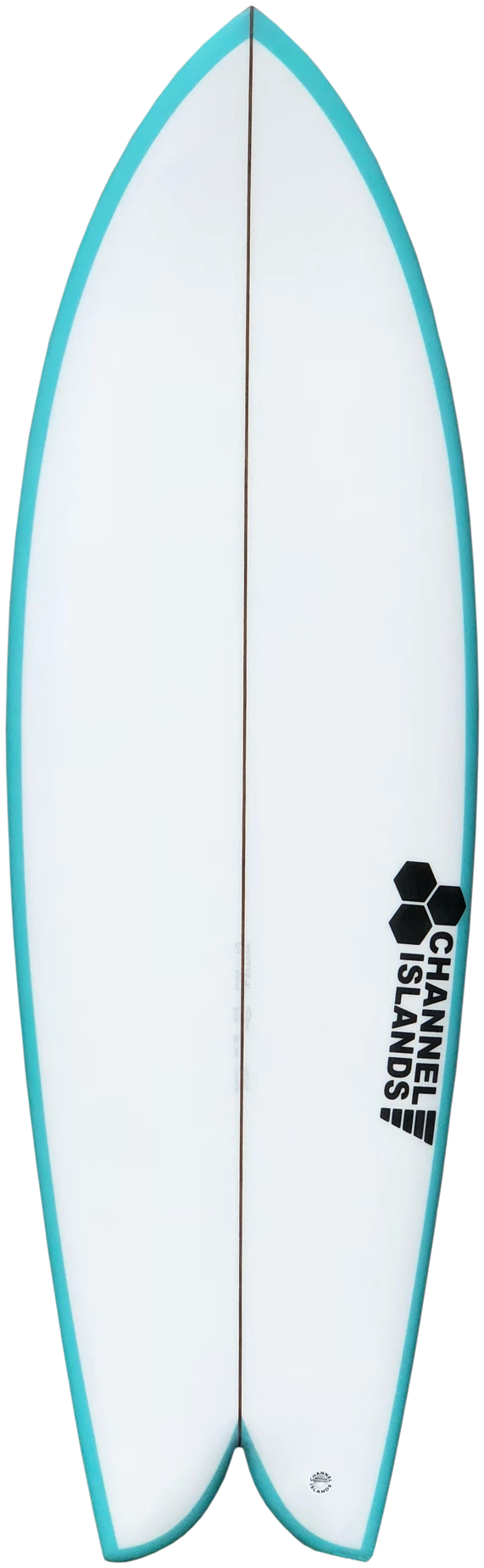
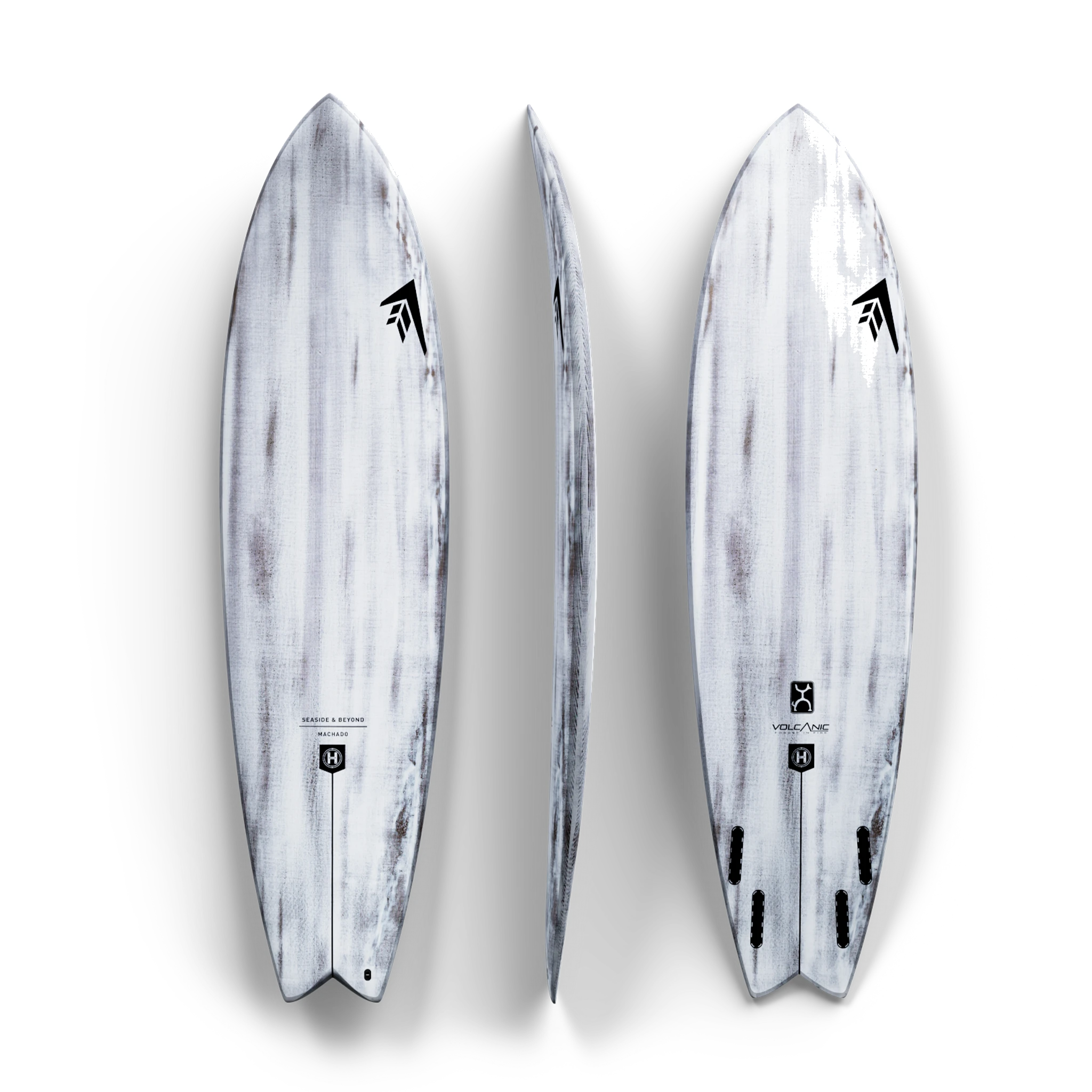
| Firewire Seaside & Beyond | 45.3 L | Quad recommended | A longer, fish-derived approach |
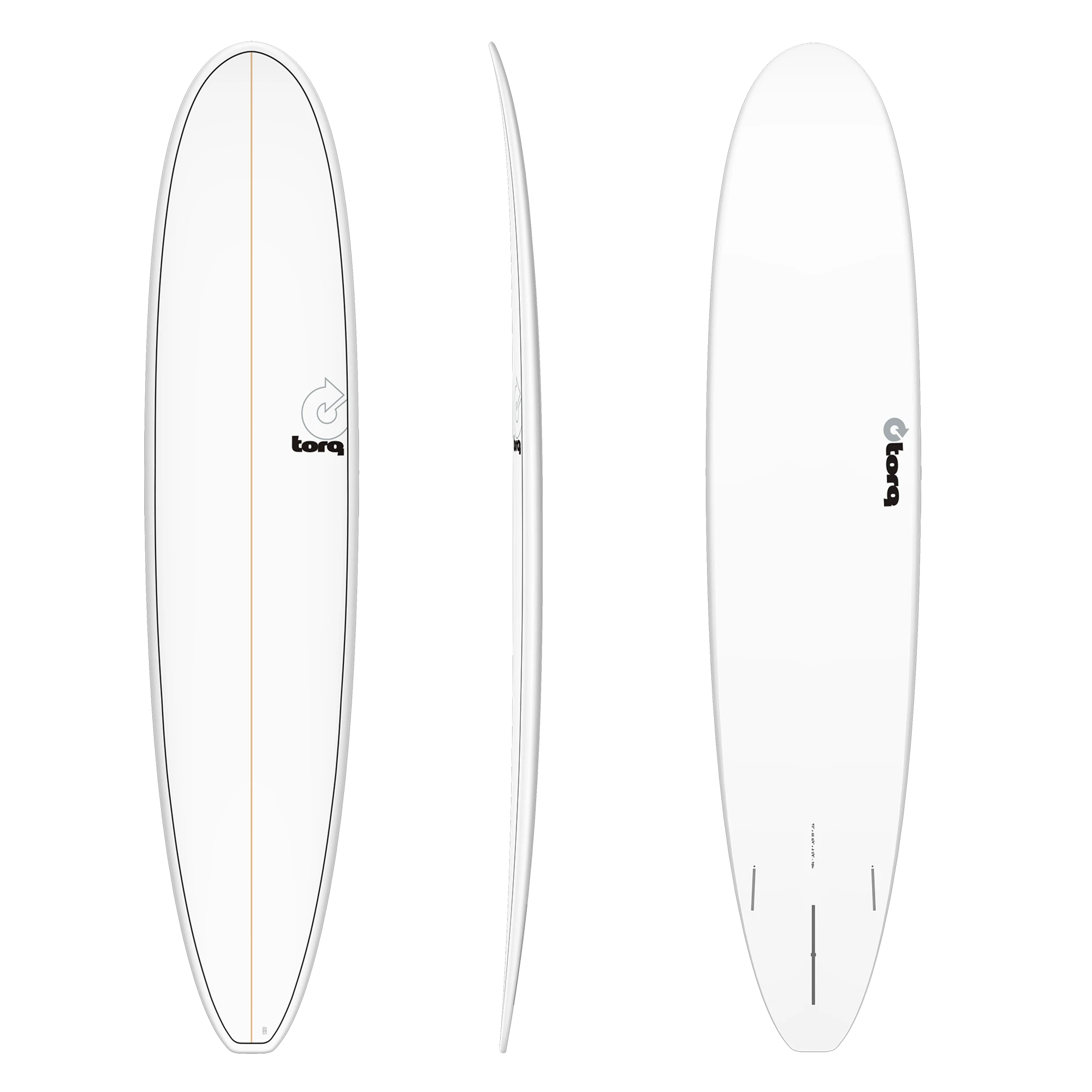
| Lost Smooth Operator | 46.25 L | Confirm on the board | Glide and horizontal trim first |
Those near-matching liters make a good warning: equal volume does not make equal boards. The outlines, rocker, rail shapes, fins and construction all differ. Use the numbers to compare sizes within a model, then read the design brief and, ideally, see the boards in person.
Pyzel Mid Length Crisis: keep the 2+1 conversation going
The Mid Length Crisis is the closest on paper if you like the CI Mid's center box and side-bite format. Pyzel says its rolled deck keeps foam through the middle while thinning the rails. A moderate continuous rocker and vee with double concave aim for easy paddling and smooth rail-to-rail turns. Pyzel explicitly allows a single fin or 2+1 setup, which gives you a useful experiment after purchase.
Choose it if you are drawn to flowing turns and want to adjust the fin feel without changing boards. Pause if you expect a 2+1 fin layout to make it feel exactly like the CI Mid. The CI's forward foam, tail rocker and hard tail rails are its own recipe; Pyzel's moderate curve and spiral vee are another. At 7′0″, the stock Mid Length Crisis is 21″ wide and 44.1 L, while the CI Mid is 21⅛″ and 44.9 L. The small numerical gap cannot answer how each will respond under your feet.
Firewire Seaside & Beyond: lean into the fishy line
Rob Machado's Seaside & Beyond stretches ideas from his Go Fish and Seaside into a mid-length. Firewire recommends its Seaside quad set. A 7′0″ stock board is 21⅜″ wide and 45.3 L, close in displacement to the CI Mid, but the fin direction and fish-derived outline invite a different kind of shortlist.
Choose it if your best everyday sessions involve carrying speed down an open, softer face and you already like the idea of a quad. Pause if what attracted you to the CI Mid was the center-fin feel or a traditional egg silhouette. Firewire sells this version in Helium, a stringerless EPS-based construction, while stock CI Mids use a resin-tinted glass build. Even before the outline and fins, you are choosing a different build. Firewire's description is enthusiastic; treat it as the maker's intention and try one if you can.
Lost Smooth Operator: favor the glide
Lost's Smooth Operator is unusually clear about what it is not trying to be. Matt Biolos contrasts it with his more performance-minded Crowd Killer and describes the Smooth Operator around a very low entry rocker, forward wide point and easy horizontal trim. He adds tail rocker so it can still turn. At 7′0″ the published stock dimensions are 21¼″ wide, 2.82″ thick and 46.25 L.
Choose it if early entry and a long, relaxed line are the reason you are shopping for a mid-length. Pause if your main reason for leaving a longboard is tighter, faster turns in punchy pockets. The maker's current product page does not specify a standard fin setup, so ask about the boxes on the actual board, especially used. Do not order fins based on a model name or an old photograph.
How to make the shortlist useful
Take one board you know and describe what it fails to do. If it already catches waves easily but feels stiff when a point wave opens up, compare the CI Mid and Pyzel first. If weak surf repeatedly kills your speed, add the Seaside & Beyond to the conversation. If you miss the quiet glide of a longer board but want less length in the car and water, look closely at the Smooth Operator. These are design-based starting points, not ride-test rankings.
Then check the exact size and fin boxes available to you. A custom board or secondhand listing may not match its stock chart. If possible, demo on the wave you surf most, or take your current board's dimensions to a local shaper or shop. You can inspect the CI Mid, Mid Length Crisis and Seaside & Beyond in the Board Hogs catalog, then browse more mid-lengths. Start from the job you need done, not from a seven-foot number.