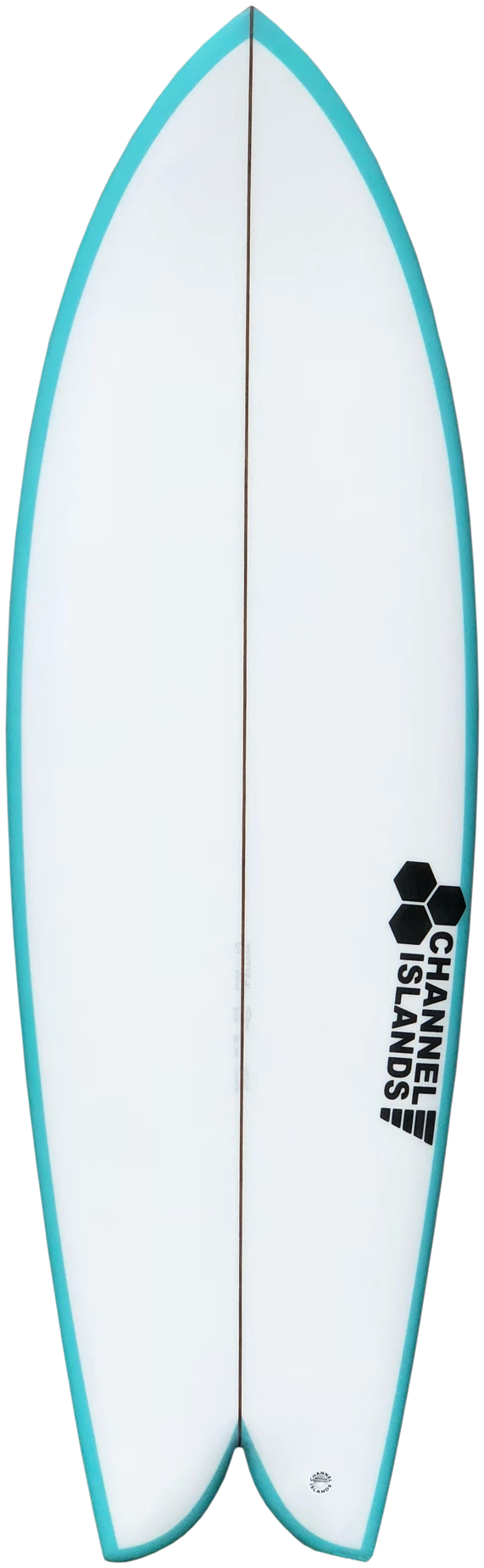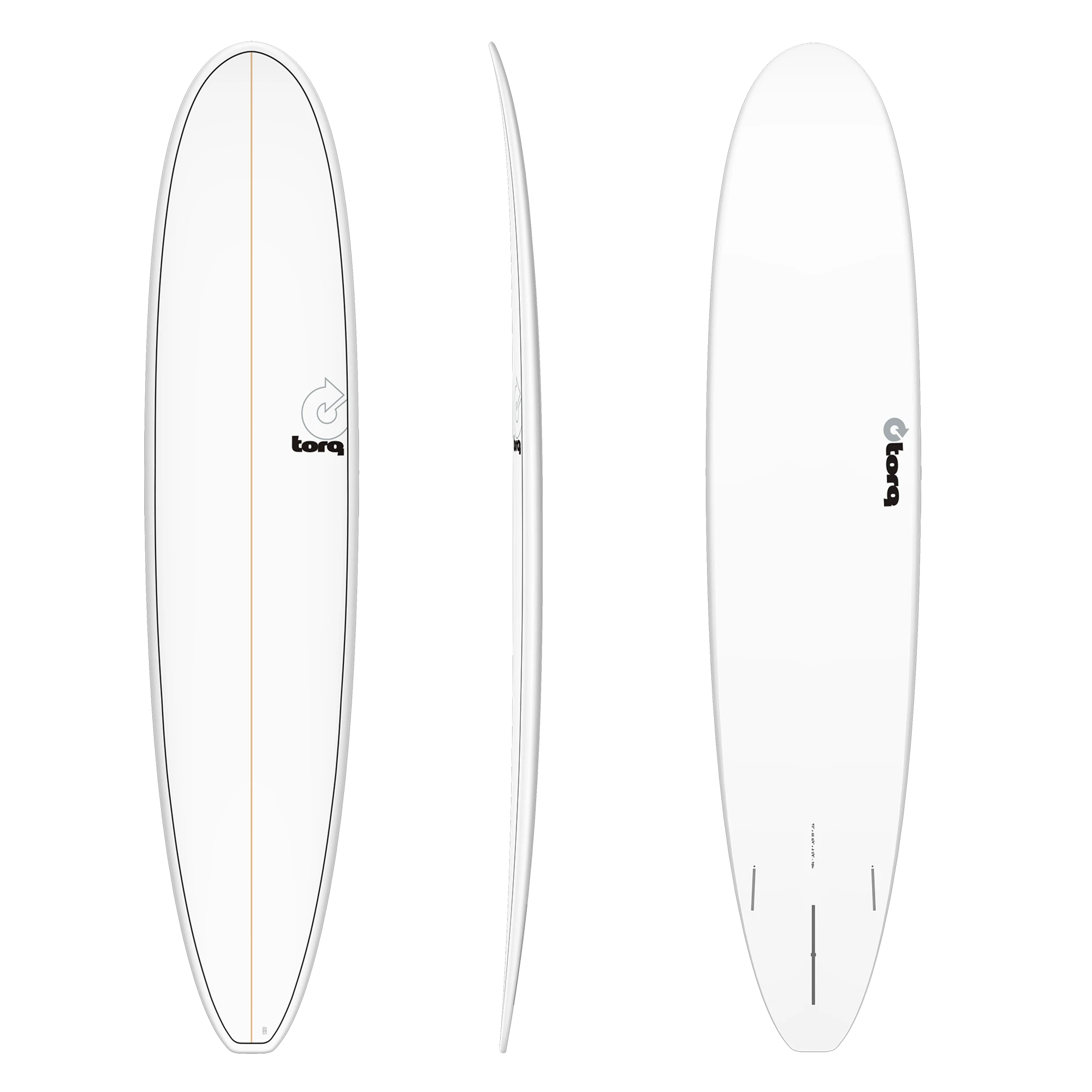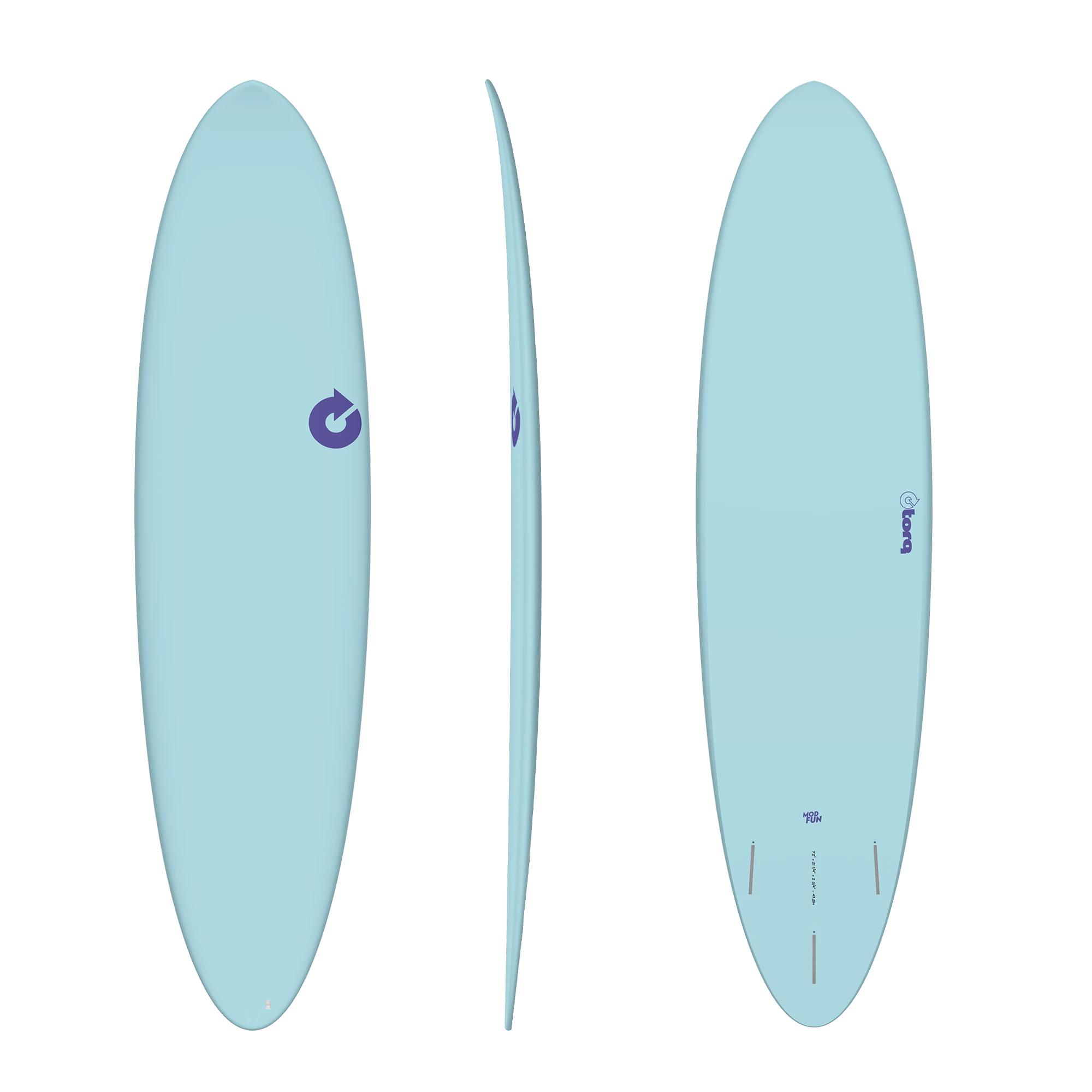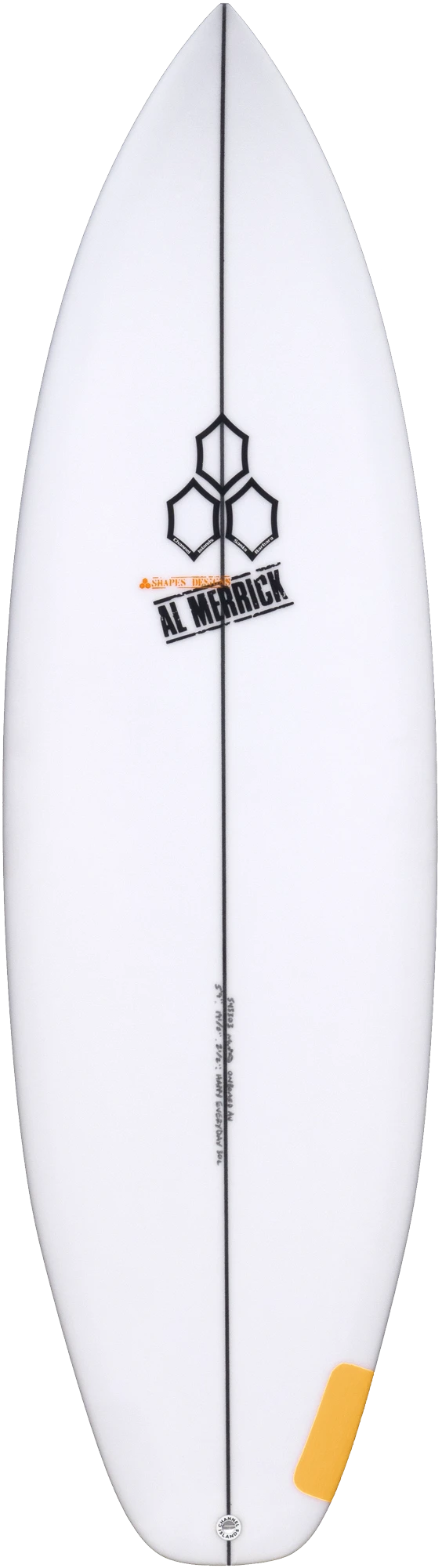
The board you reach for without thinking has a soft spot, and the maker no longer lists the model. It is tempting to search its name plus “replacement” and order whatever looks closest. First, put the old board on the floor. You have better evidence than a product description: a board you know in waves you actually surf.
The goal is to preserve the parts you love, decide what you would change, and give a new board a fair chance to do the same job. A descendant model may be the answer. So might a used copy, a custom order, or a different shape entirely.
Make a record of your board
Photograph the deck, bottom, rails, nose, tail, fin boxes and every marking before the old board disappears into a garage or repair shop. Record the length, width, thickness and volume, if marked. Measure the actual board where you can, but do not estimate volume by multiplying its three dimensions: the curves and foil make that calculation misleading. Surf Simply explains why two boards with the same basic measurements can be quite different.
Look beyond the numbers. Where is the widest point? Does the nose carry foam or taper quickly? How wide is the tail, and what shape is it? Is the entry rocker fairly flat or visibly curved? Are the rails full under your chest and thinner near the tail? Note the fin layout and box system; “thruster” does not tell you whether your existing fins fit. Shapers Australia's dimensions guide is a useful reference when a handwritten set of measurements is hard to interpret.
Write down the construction too. If the exact board was a custom, a current stock chart may never have described it. Save the old order email or ask the original shop or shaper whether they can identify a serial number. A catalog page can identify a model's design brief; the markings and condition on the board in front of you still matter.
Describe the job it did
Try two columns on a piece of paper: keep and change. “Keep: catches my local chest-high point early, holds speed across the flat bit, turns smoothly off the bottom.” “Change: feels cumbersome when the beach break gets steep.” That is a far better brief than “I need another 7-footer.” Include your ability and how often those conditions occur, not just the best day you remember.
Then rank the constraints. If easy entry is why you love the board, do not trade it away merely because a new shape promises more performance. If you have begun wanting tighter turns, say which turn and which wave exposes the limitation. The same volume in a shorter, wider outline will not necessarily recreate the glide of a longer board; Surf Simply's volume guide treats liters as a comparison tool, not a full description of how a board surfs.
A real lineage: Channel Islands M13 to M-23
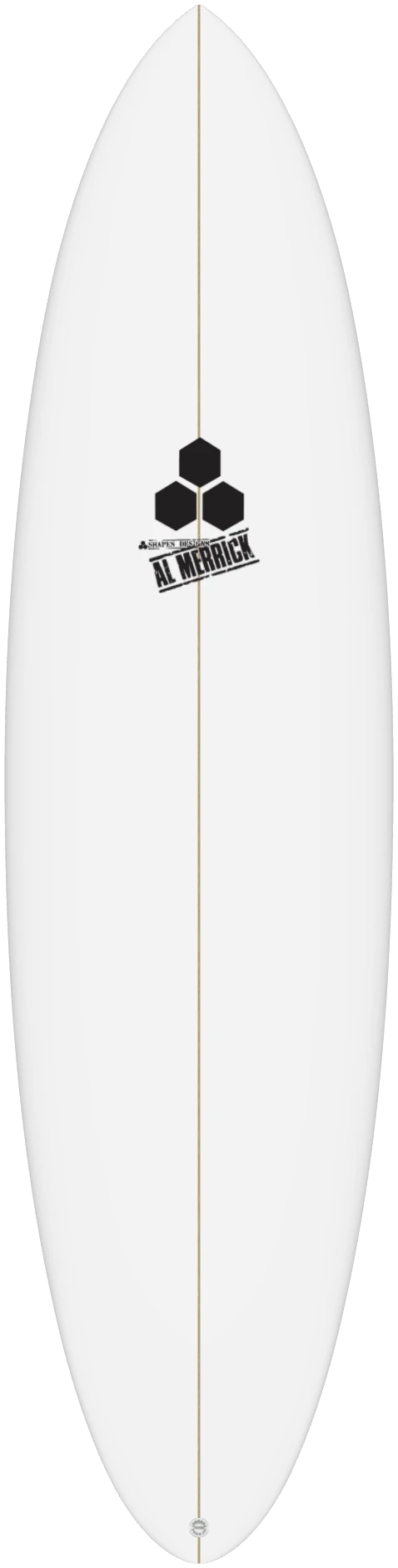
Channel Islands still shows The M13 in its legacy range. It describes a performance hybrid intended to paddle generously while turning more like a shortboard, offered with either a squash or round-pin tail and commonly made from 6′10″ to 8′0″. That tells a former M13 owner what the model was trying to do. It does not reveal the dimensions, construction, or tail of every M13 ever sold.
The current M-23 is explicitly described by Channel Islands as coming from the M13 bloodline. Its published brief again emphasizes a hybrid's paddling with shortboard-style surfing; the maker recommends a thruster and lists stock sizes from 6′6″ to 8′0″. At 7′0″ the current chart says 21¼″ wide, 2⅞″ thick and 47.1 L. Those are facts about a stock M-23, not a conversion chart for an old M13.
An M13 owner should therefore put the two outlines side by side and ask what changed for the particular size and tail they owned. Ask Channel Islands or a knowledgeable shop about the older board if its markings are unclear. “Same family” is a reason to put the M-23 on a demo list, not a reason to skip that comparison. You can inspect the archived M13 catalog entry and current M-23 entry on Board Hogs, then check the actual board's specs with the maker or seller.
Choose a replacement path
Ask whether the old design is still available. Discontinued from a shop rack does not always mean impossible to order. Channel Islands says most of its discontinued models remain available by custom order. Check the present options and price with the maker; that answer will differ by brand and by model. If you can bring in the old board, it gives the shaper much better context than a remembered volume.
Buy another used one if exact familiarity matters. Match the generation, dimensions, tail, fin boxes and construction, then inspect condition as carefully as you would any used board. A shared model name can survive changes in design or materials. The used-board buying checklist covers the condition questions; the Board Hogs marketplace is another place to look for actual listings.
Shortlist current boards by the job. Begin with the same wave range and the design features on your “keep” list. Compare two or three candidates in the board catalog. Put their outlines and fin setups next to the old board before comparing liters. If your old board's exact specs are lost, use photos, catalog archives and the maker's records to form a range of plausible sizes rather than pretending you know a single correct replacement.
If you can demo or borrow a candidate, use it in the waves that made the old board special. Give it more than one wave and note what you gained as well as what you missed. The right next board may keep the old one's job while asking you to surf it a little differently. That is a useful change when you chose it deliberately.