The phrase one-board quiver makes a board sound as if it ought to do everything. No board does. The useful question is narrower: which board would you be happy to grab for most of the surf you actually get? If your local break is soft and waist-high nine mornings out of ten, the exceptional overhead day should not choose your everyday board. If you mostly surf a punchy beach break, a board bought for summer trim may leave you wishing you had more control.
This is a buying guide based on published design information, not a claim that we have ridden the boards mentioned here.
Start with your last ten sessions
Forget the season's best forecast for a minute. Think about the waves you paddled out in: their usual size, how quickly they stood up, and whether they offered a clean wall or short sections. Then think about what you could do on your current board. Were you missing waves? Getting in early but struggling to turn? Making turns, yet losing speed across flat spots?
Those answers tell you what your daily driver has to protect. Surfing England's board guide explains the basic exchange: flatter rocker helps speed and glide in softer waves, while more rocker suits steeper faces and tighter turning. A wider, fuller outline can make wave entry easier, but the extra area is not automatically helpful when you need to set a rail in a hollow section. These are tendencies, not a way to predict every board from a photograph.
Write down two columns: conditions you regularly surf and conditions you can happily sit out, borrow for, or rent for. The second column is what stops an occasional fantasy wave from becoming an expensive daily compromise.
Choose the version of “versatile” that fits you
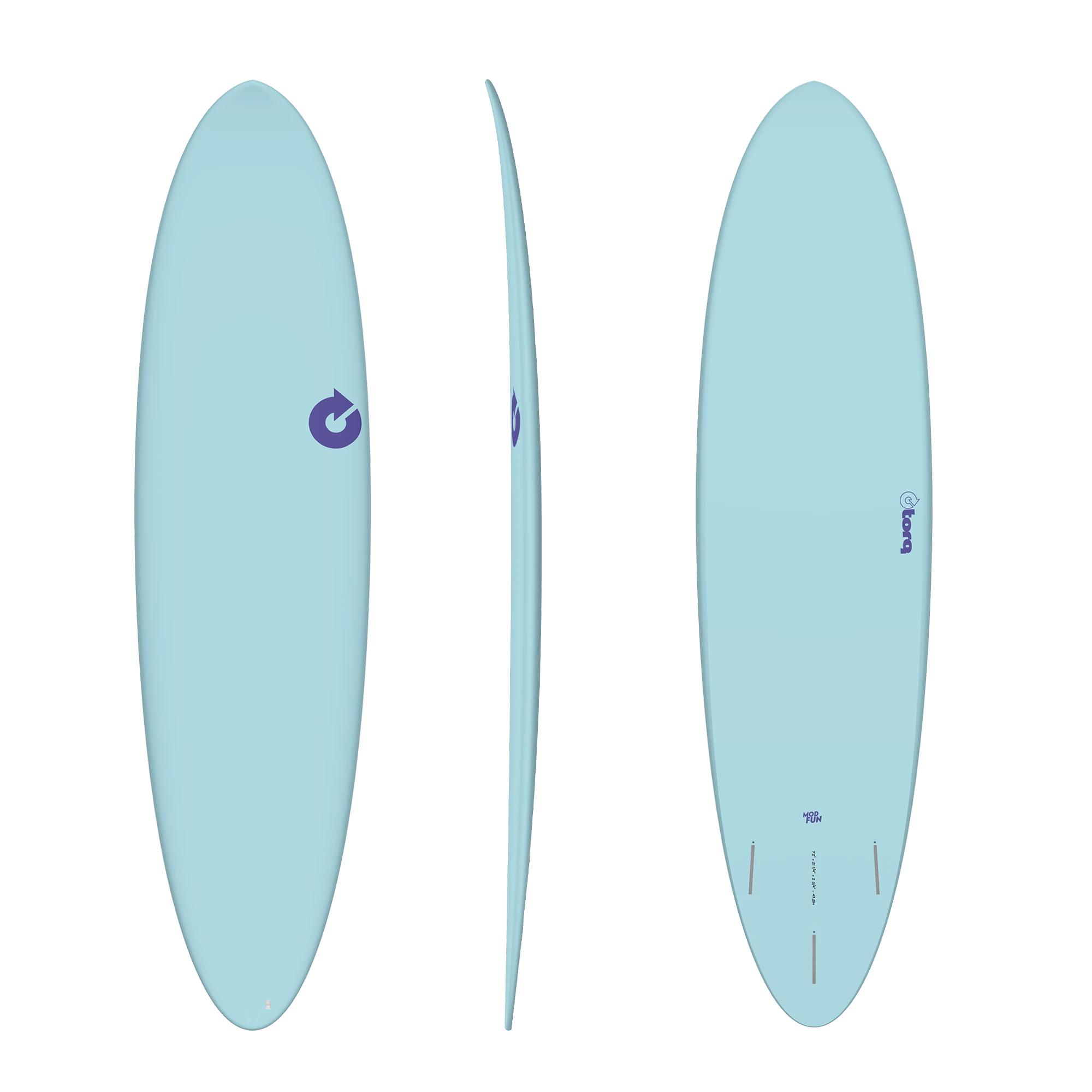
You are learning to catch unbroken waves and turn. Keep wave count high. A stable, forgiving mid-length can be a better one-board choice than a shortened performance shape, even if the shorter board is sold as an “all-rounder.” The Torq Mod Fun, for example, puts width under the chest for paddling and draws the tail in for more control once the wave has shape. Torq lists a 7′2″ at 47.2 L. Those specs are a reference point, not an instruction to buy that size; your current board and the waves you can catch matter more. See the Mod Fun in the Board Hogs catalog, or browse mid-length models.
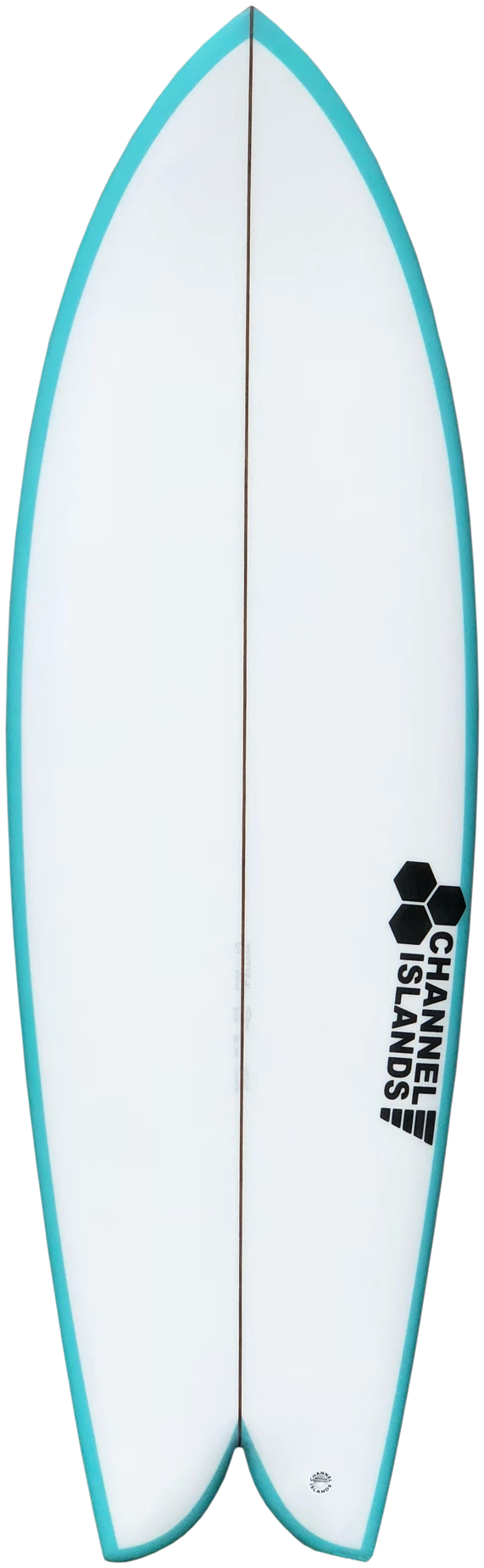
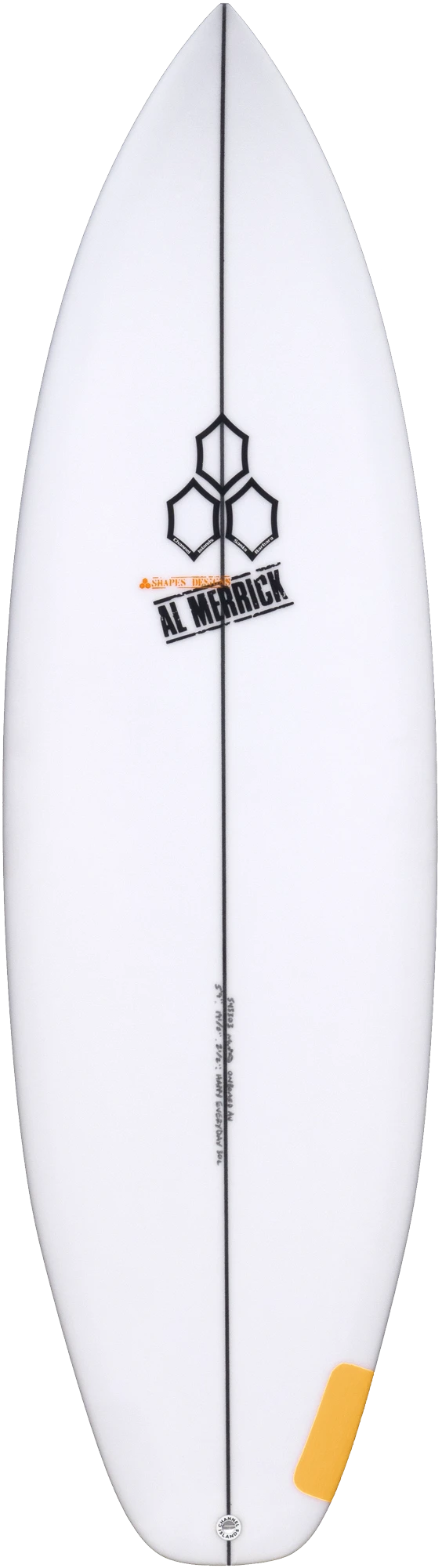
You surf soft-to-decent waves and want shortboard turns. Look at everyday shortboards and more refined hybrids. Channel Islands says it lowered the entry and exit rocker on the Happy Everyday to gain paddle and planing speed versus its Two Happy performance shortboard. It positions the model between that board and a dedicated groveler. That is a useful description of its intended slot: more everyday range than a high-performance shortboard, without claiming to turn an ankle-high roller into a good wave. Its stock chart lists the 5′9″ at 29.4 L. Compare the Happy Everyday's catalog details with other shortboard models.
You prefer trim, long lines and a generous wave count. A mid-length or longboard might be your complete quiver, rather than a board you will “graduate” from. Surfing England notes that longboards provide glide in small waves and still allow advanced surfing as you improve. The right question is whether you enjoy what the board lets you do, not whether it looks like somebody else's idea of progression. Explore longboards alongside mid-lengths before you decide.
Notice how different those choices are. “Versatile” means more usable sessions for your own style, not maximum advertised wave range.
Compare the whole board, not a number of liters
Volume is useful for checking whether a candidate is in the neighborhood of boards you already know. It cannot tell you where the foam sits, how much rail meets the water, or how the board enters a wave. Surf Simply's explanation of volume makes the same point: boards with the same headline dimensions can differ substantially in shape and feel. Use liters as one piece of a comparison, then look at length, outline, rocker, tail, rails and fin setup.
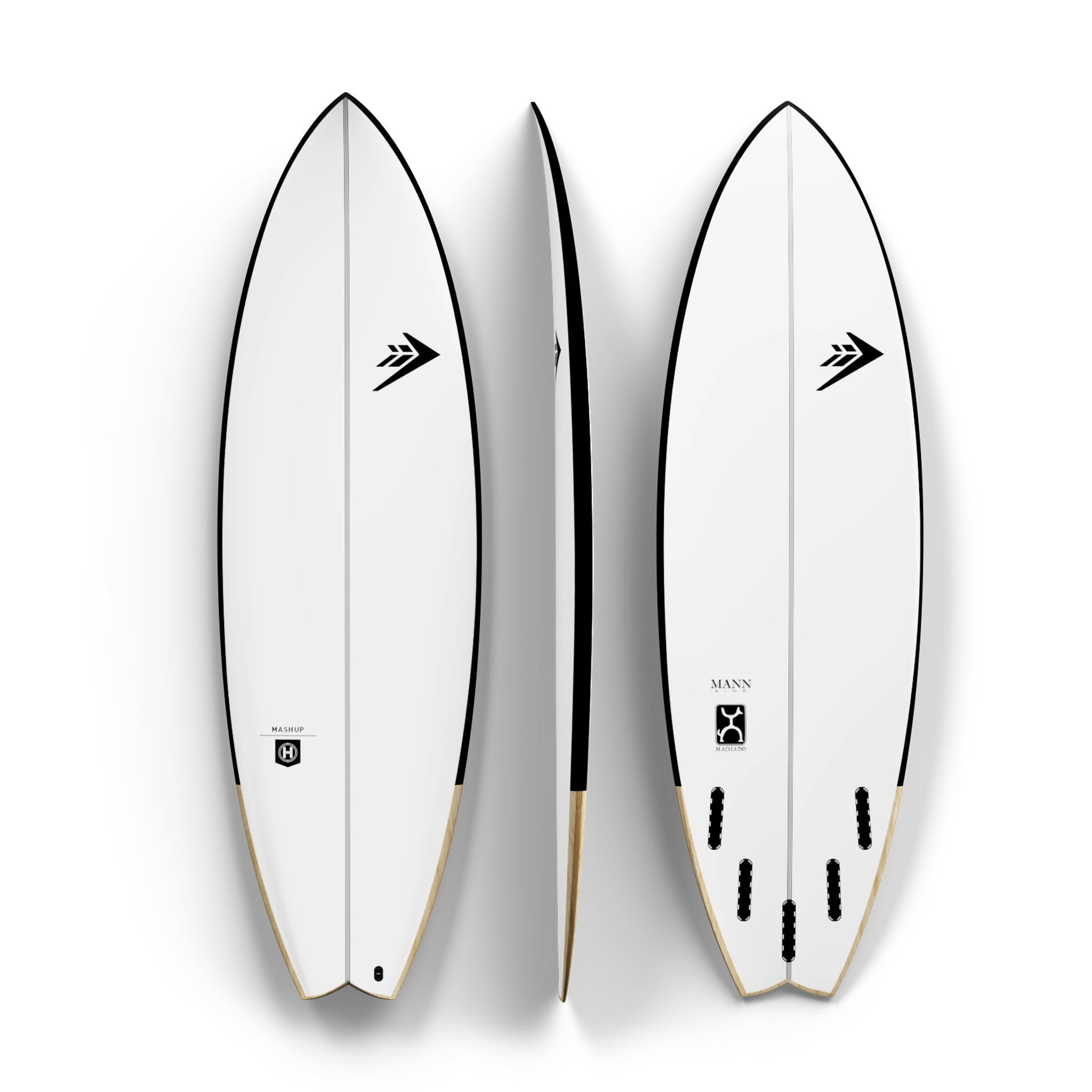
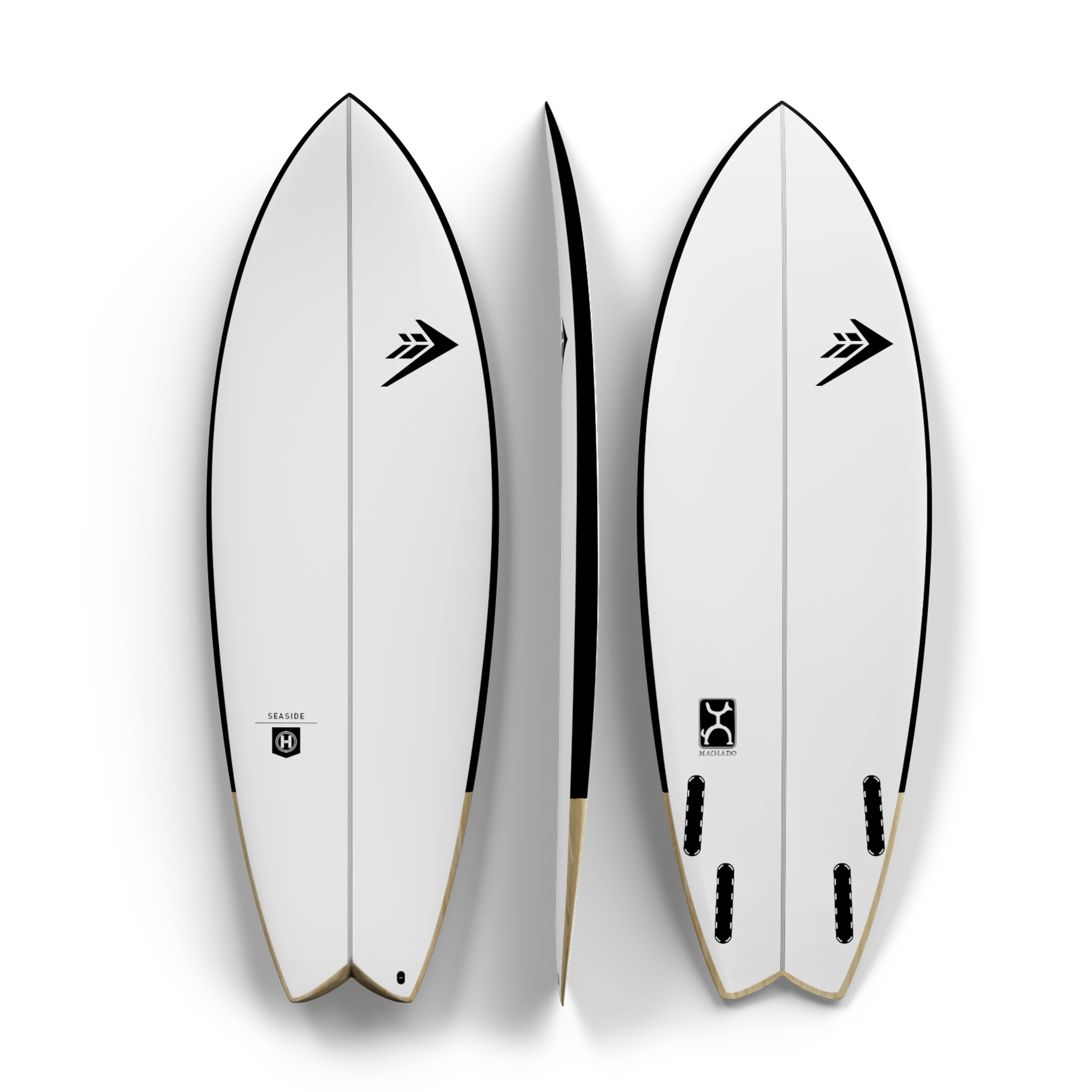
For a one-board purchase, pay particular attention to the failure mode at either end of your normal range. Is the board so specialized for weak waves that it will feel difficult to control when your regular break gets steeper? Is it so narrow and rockered for good surf that you will spend ordinary sessions watching waves pass by? A five-fin-box option can let you experiment with fin setups; it does not rewrite the outline or fix a size that is wrong for you. Surfing England's guide describes how fin setups alter a board's character, while the underlying board design still sets the terms.
An honest shortlist beats a “quiver killer” promise
Before you pay, compare two or three boards meant for your most frequent conditions, preferably against one you have surfed. Bring a shop or shaper the dimensions of that known board and tell them what worked and what did not. Ask how each candidate would change your wave entry, speed through weak sections and control when the wave stands up. Surfing England recommends this conversation because a catalog label cannot account for your level or local conditions.
If you can borrow or demo a board, use it in an ordinary session at your usual break. Count waves caught and notice what happens after takeoff. A board that makes a highlight clip look exciting but loses you half your regular waves is a poor daily driver. If you cannot demo, read model descriptions as design intentions, check stock dimensions against the actual board for sale, and avoid treating a maker's full advertised wave range as a guarantee.
Choose the more forgiving shape if you are still working on independent wave entry and basic turns. Choose an everyday shortboard if you already catch waves reliably and want your usual surf to feel more responsive. Choose the longer, glidier board if that's the style you want to surf most days. The best one-board quiver is the board whose compromises you understand before the first paddle out.