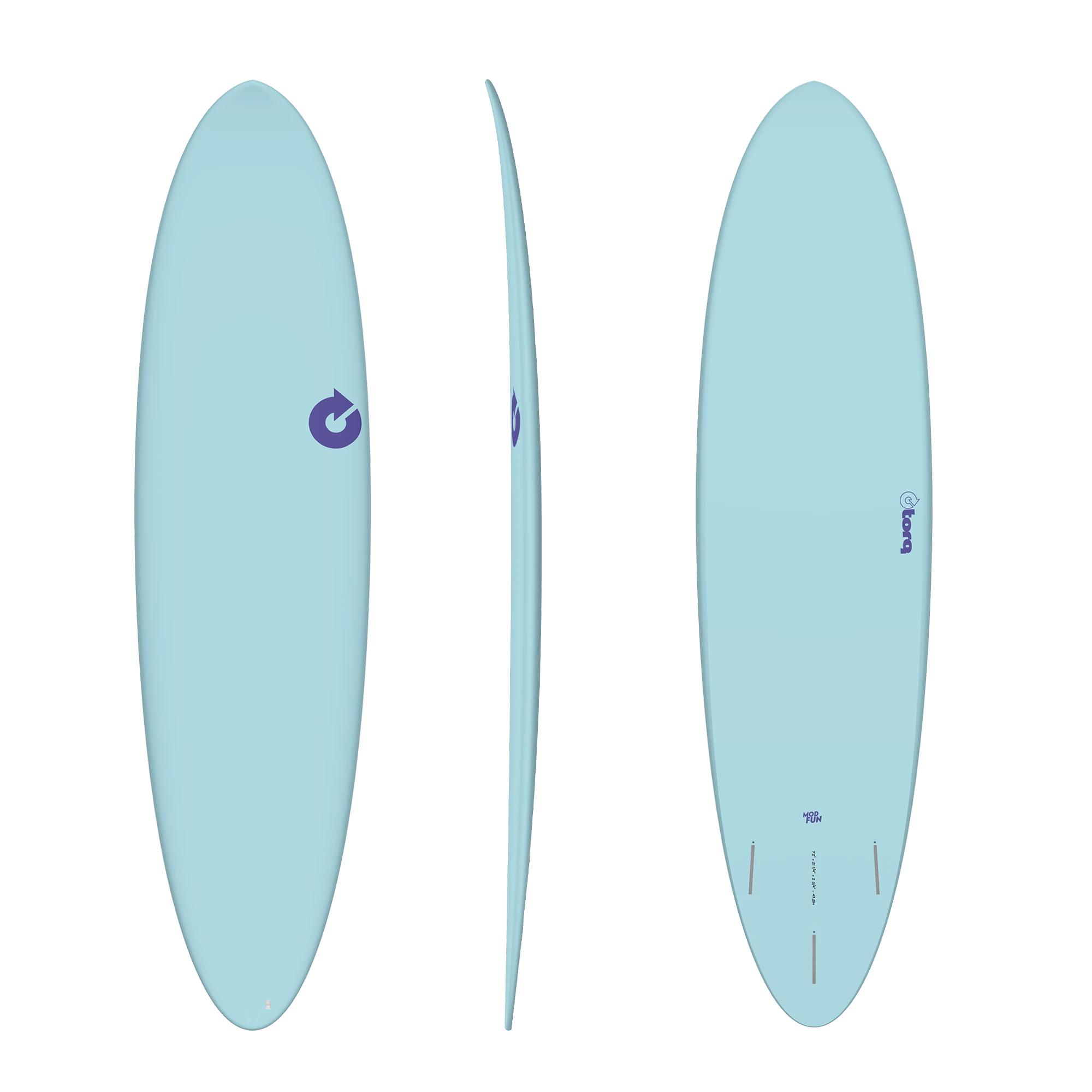
There is a surprisingly easy way to buy the same surfboard twice: fall in love with the board you already own, then buy a slightly different version of it. The new one might be excellent. It might also come out of the bag on exactly the same days as the old one.
A two-board quiver works when each board has a reason to be there. That reason could be a different wave, a different way of surfing the same wave, or a board that makes more sessions possible. Start there, before shopping by length or liters.
Name the days your current board misses
Think back over your last ten sessions, including the ones you almost skipped. When did the board you own feel right? When were you paddling hard just to enter a weak wave? When did it feel awkward on a steep takeoff or hard to redirect once the surf had some push? If you surf one spot, this can be a quick note on your phone. If you surf several, write down the break and conditions too.
Then finish this sentence: “I want my second board for ___, because my current board ___.” “Small, soft mornings, because I keep arriving too late and losing speed” is useful. “More performance” does not tell a shaper or shop much.
Be honest about frequency. A board for the weak surf you see twice a week may improve your year more than one for the overhead day you catch twice a season. The reverse is true if your regular beach break gets hollow and you are already comfortable in those conditions. The second board should answer your calendar, not somebody else's highlight reel.
Compare jobs, then compare shapes
Two boards can have similar volume and still solve different problems. Volume describes how much foam there is; it does not tell you how that foam is distributed, how curved the rocker is, or how the tail and rails behave. Surf Simply's volume guide is a useful check against making a liters-only decision. Surfing England's board-selection guide explains the broad design tradeoff: flatter rocker generally helps a board carry speed in less steep surf, while more rocker tends to suit steeper waves and tighter turning.
Compare your board with a candidate across four questions:
- What wave gets each board out of the rack? Describe shape and power as well as height: a slow shoulder-high point and a fast shoulder-high beach break are different jobs.
- What is the wave-catching tradeoff? Will the candidate get you in earlier on the days you currently struggle, or are you buying a similar entry point with a different logo?
- What turn do you want to make? A long, open line and a quick redirect in the pocket may call for different outlines and fin setups, even at the same break.
- What does the whole setup cost? Check the exact board's fin boxes, the fins you own, and whether you can store and transport both. Those details matter more after the excitement of buying wears off.
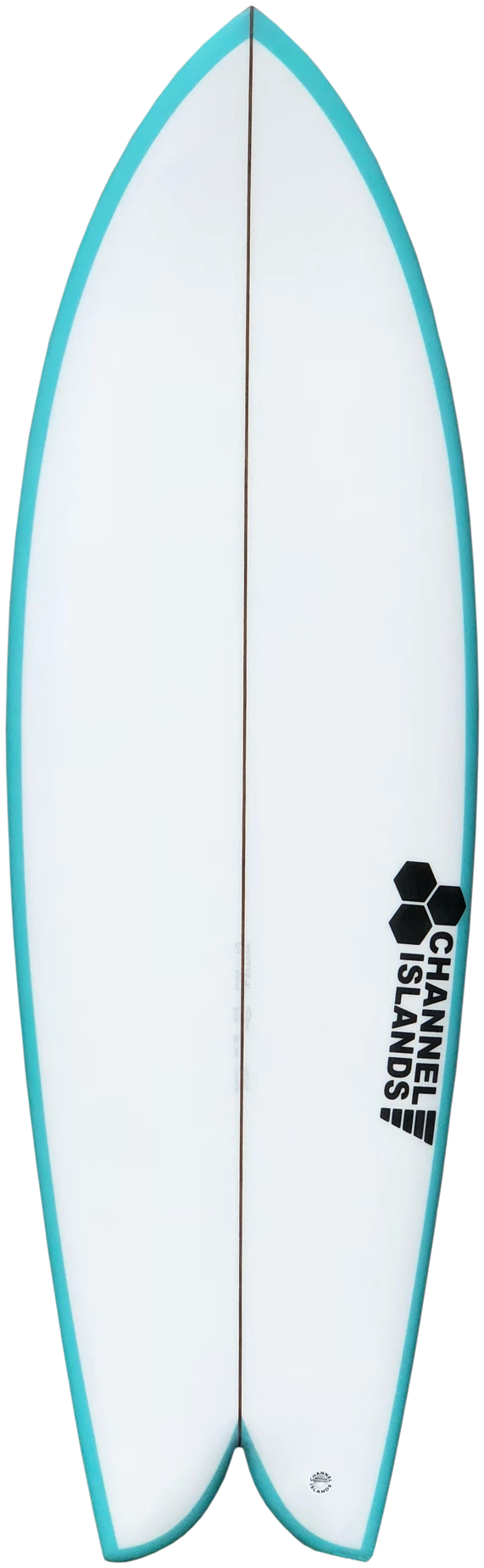
The categories on a shop wall are a starting filter, not a verdict. A fish and a groveler can overlap heavily; two shortboards can have very different purposes. Read the maker's design notes, then try to borrow or demo the candidate in a wave you know.
A real example: where would a Happy Everyday leave a gap?
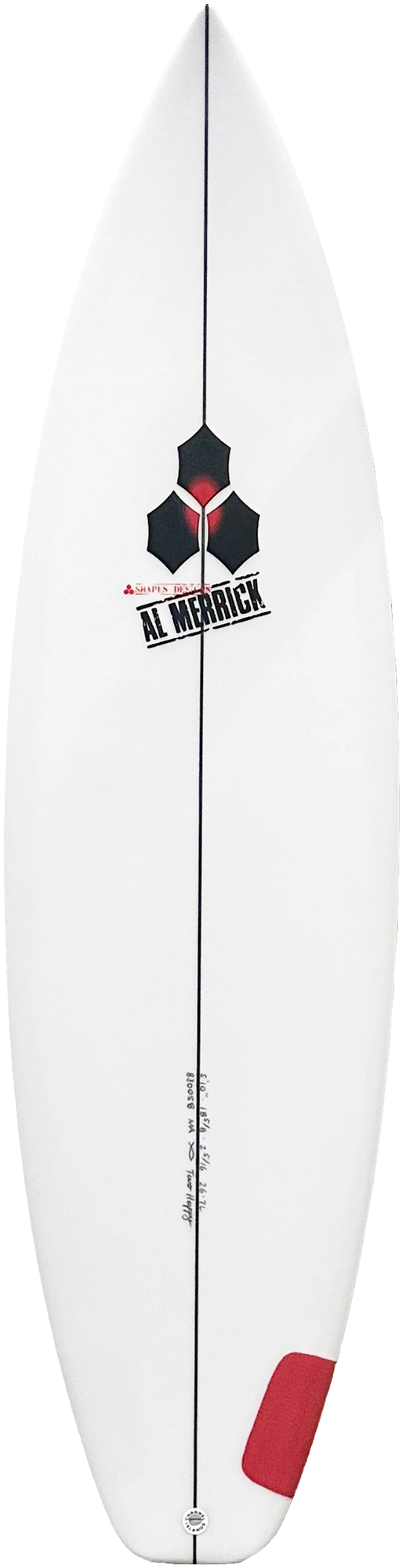
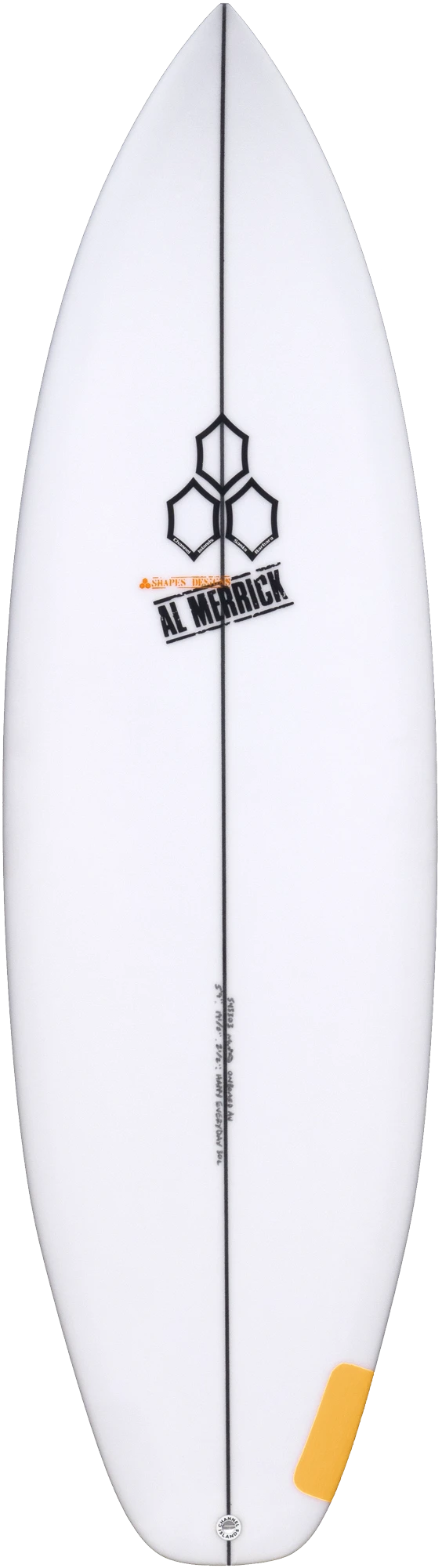
Channel Islands makes this exercise unusually clear. It places the Happy Everyday between the Rocket Wide, which it describes as a step-down/groveler, and the Two Happy, its more performance-focused shortboard. CI says it lowered the Happy Everyday's entry and exit rocker compared with its performance-board starting point to make it easier to paddle and plane across everyday conditions. That is the maker's design intent, not a claim that any particular surfer will feel the same difference.
Suppose you already own a Happy Everyday and genuinely like it in clean chest-high surf. If your lost sessions are knee-to-waist-high and weak, the Rocket Wide points toward a different job: making speed when the everyday shortboard feels underpowered. If the missing days are steeper, faster and more demanding, the Two Happy points the other way. Buying both as your first two-board quiver would miss the point. Choose the side of your current board where the actual gap lies.
Even this tidy family can overlap. CI calls the Rocket Wide versatile, and the Two Happy is designed to be more accessible than a narrow pro-only shape. The model names do not draw a hard line through the ocean. If a demo shows your current board already handles the supposedly missing conditions, save the money or consider a more distinct design.
When different styles are the point
Condition coverage is not the only valid reason for a second board. Maybe your longboard makes small point surf fun, and you want a shorter board for more active turns on those same days. That is a style choice, not a failure to build an efficient quiver. Write it down that way. It will keep you from pretending a short board will necessarily catch more waves or be “better” in every condition.
Your ability also sets the sensible range. If you are still building independent wave-catching and trim, a second board that cuts your wave count may stall the very progress you want. Surfing England describes funboards as useful for newer and intermediate surfers and performance shortboards as aimed at experienced surfers in steeper waves. Its selection guide is a good reminder that a two-board rack does not need a tiny shortboard to be complete.
The buying test
Choose a small-wave complement if your current board is lively once the surf has shape but sits still when the wave goes soft. Compare the groveler models with your board's rocker, outline and tail instead of looking only for extra liters.
Choose a more good-wave-oriented complement if you can already surf steeper waves confidently and your present board feels difficult to place or control there. Look at the shortboard catalog, but take your current dimensions and a description of your local wave to a shaper or shop before sizing down.
Hold off if both boards would be your first pick for the same waves and turns, or if you cannot yet describe what the current board prevents you from doing. A demo session is much cheaper than discovering the overlap after you have bought two boards. Use the Board Hogs comparison page to build a shortlist, then let your own sessions decide which missing slot is real.