Saturday gives you two hours, a tide window, and whatever the ocean decided to make. It is tempting to spend the week shopping for a board that will turn that window into the session you imagined. A better purchase starts with a less glamorous question: what lets you catch and surf more of the waves you actually get?
Surfing only on weekends does not make you a beginner. Some weekend surfers have excellent technique; some are still learning to catch an unbroken wave. The schedule matters because each session offers fewer chances to adjust to a demanding board. Your current wave count, your local conditions, and what you want to do after the takeoff matter more than the day printed on your calendar.
Use the last four sessions, not your best one
Think back over four ordinary weekends. On your usual board, how many waves did you catch without a push? Did you get in early enough to choose a line? Did the wave go soft before you could turn, or did the board feel cumbersome once the face stood up? If the answer changes wildly with the forecast, note that too. It tells you whether you need a board with a broader everyday range or whether the issue is choosing the right day for a specialized shape.
Wave count is worth protecting. Surf Simply's updated volume guide explains why a board that is too small can turn minor mistakes into missed waves, leaving fewer chances to work on a skill. That does not mean buying the largest board on a rack. It means choosing a board that lets you repeat the maneuver you are trying to learn. If you are already catching plenty and want tighter turns, more board may not answer your question.
Paddling fitness can change between sessions. Surf Simply's preparation advice puts swimming and a steady paddling rhythm in context: fitness becomes a limit as you paddle farther out and work harder. Do not try to compensate for every tiring session with liters alone. First consider the distance to the break, currents, wave selection, and whether your paddling technique or conditioning needs attention. Then compare board designs.
Match the board to the weekend you really surf
Still building independent wave entry? Keep enough length and stability to make practice possible. A soft top, funboard or forgiving mid-length can serve you well long after your first lesson. Surfing England's board guide describes funboards as generally seven to eight feet long, with more volume than a traditional shortboard, and longboards as especially stable and gliding in small waves. Those are starting categories, not a prescribed length for every body or break.
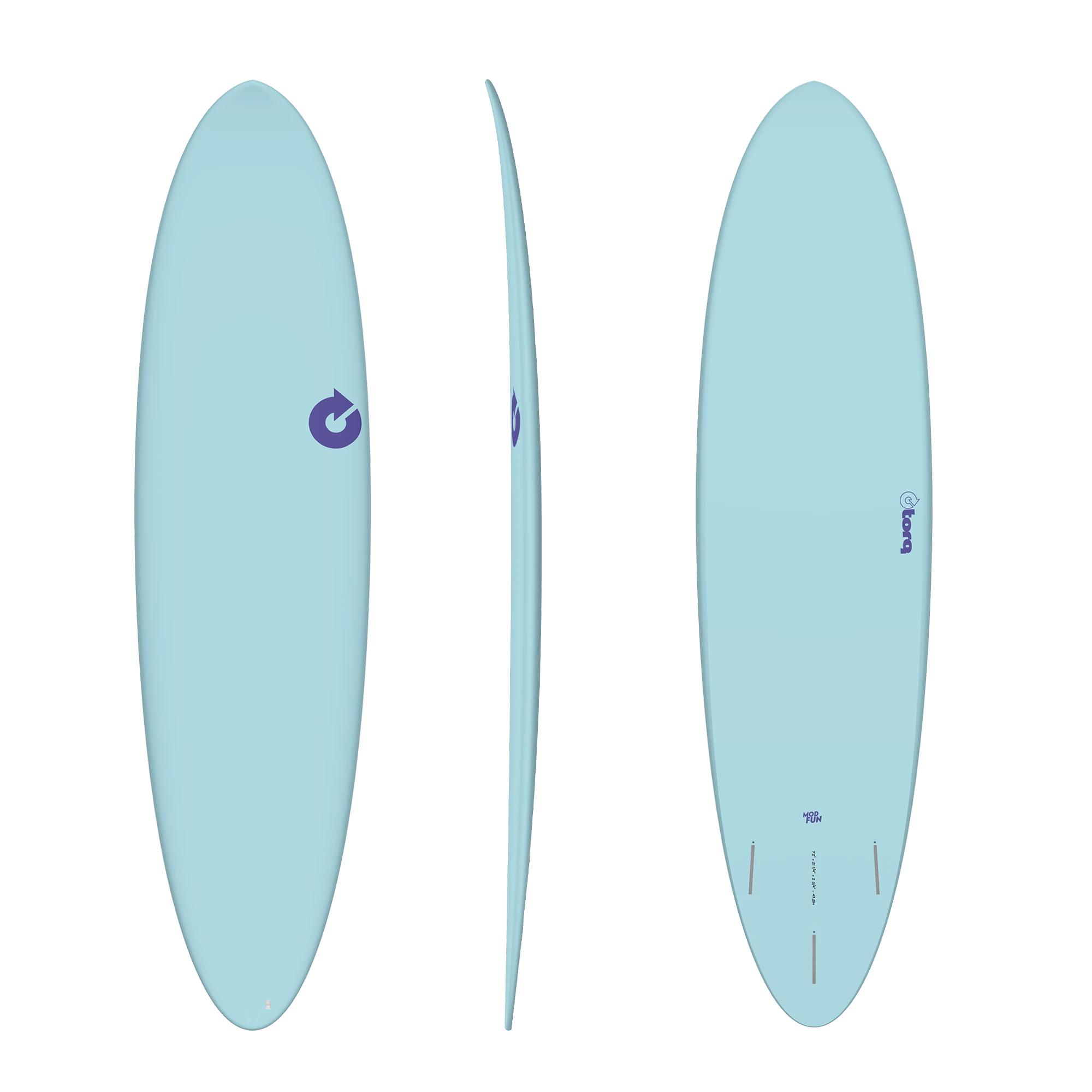
The Torq Mod Fun shows the design idea: Torq puts width beneath the chest, pairs a medium-full nose with low-to-medium entry rocker, and pulls in the tail. The published 6'8, 7'2 and 7'6 options give you a range to compare with a board you already know. This is an example to inspect in the mid-length catalog, not a promise that one size works for every weekend surfer.
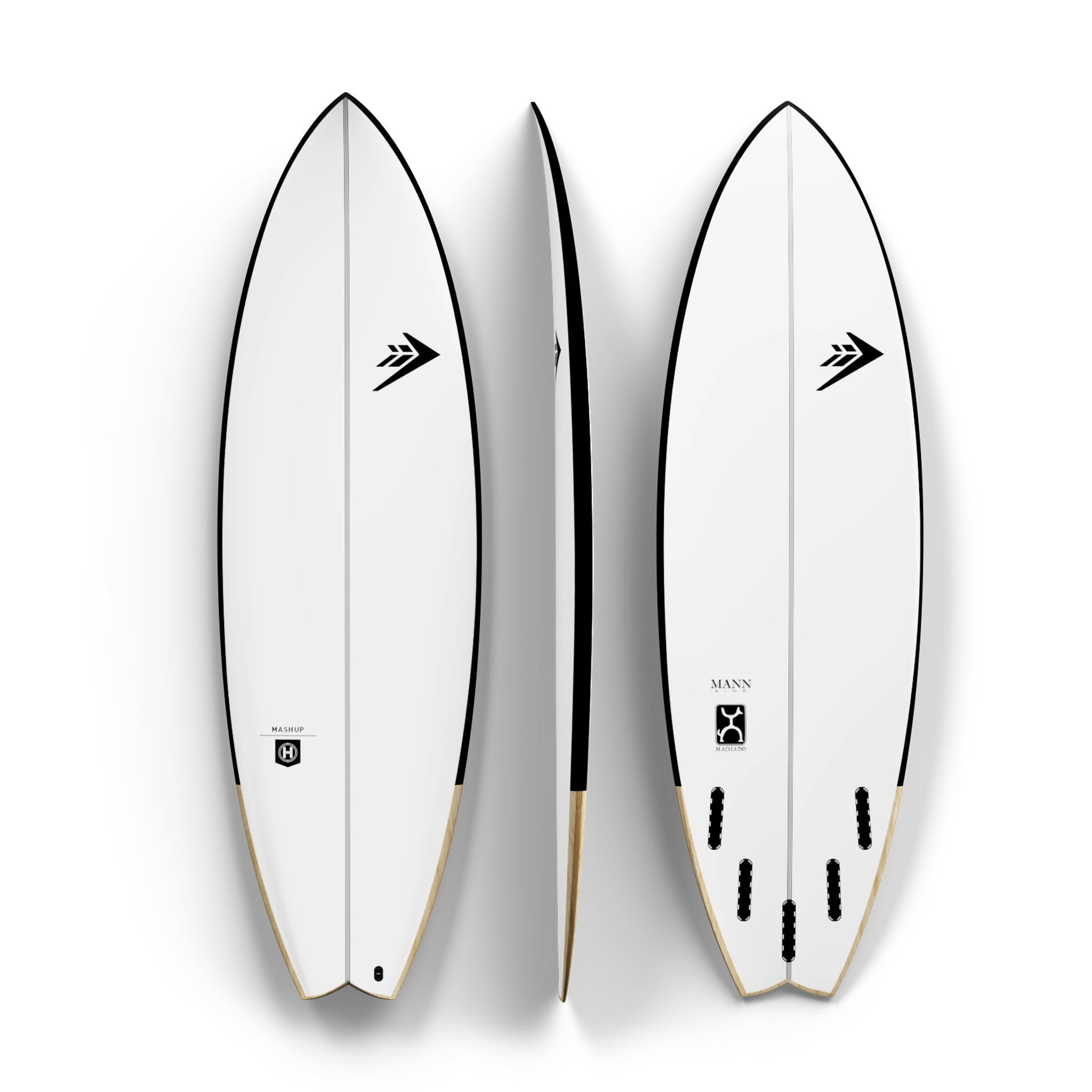
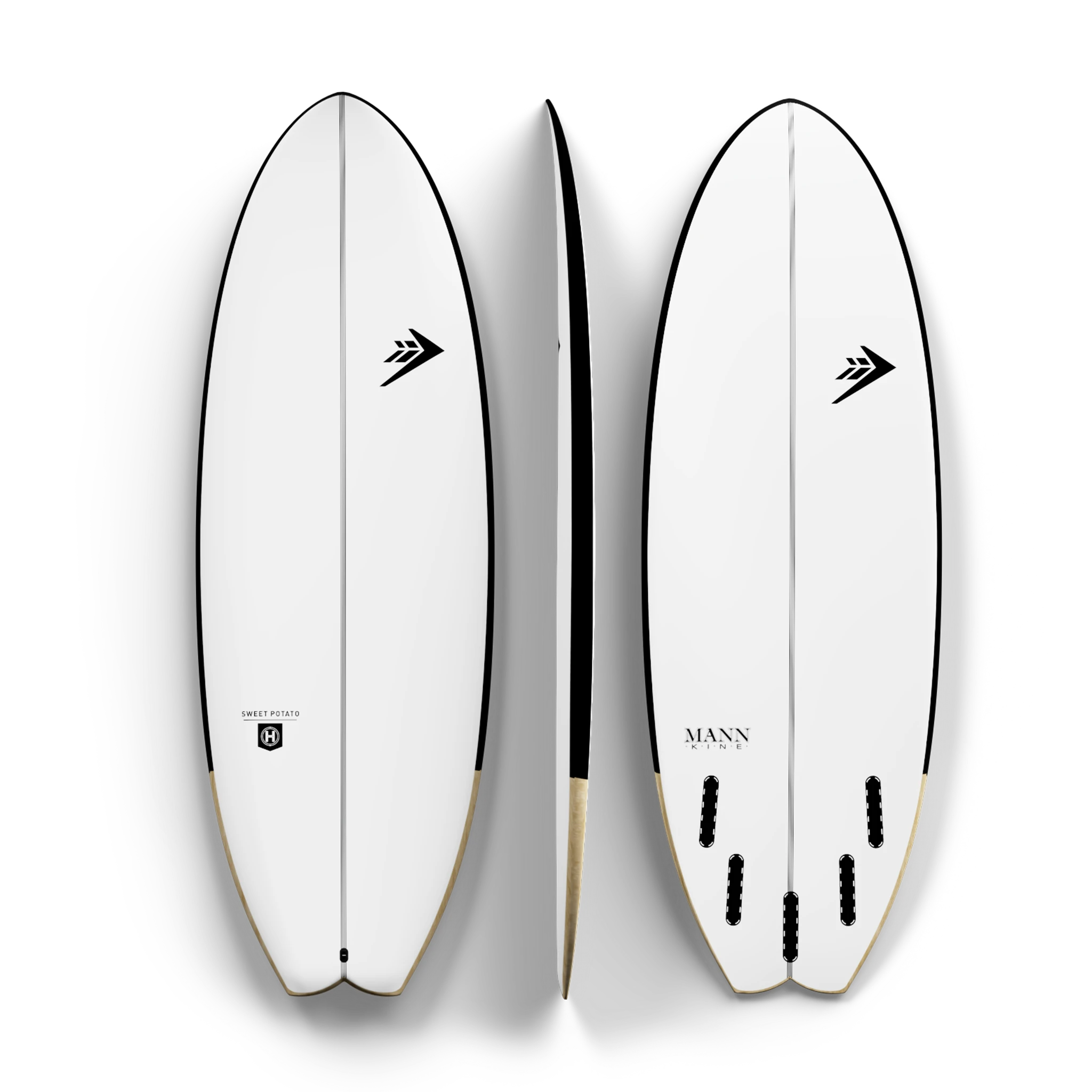
Catching waves well, but mostly surfing soft conditions? Buying a narrow performance shortboard because your best weekend had clean surf can make the other weekends unnecessarily hard. A small-wave shape may give you a more useful session. Firewire calls the Seaside a quad groveler intended for small, weak waves. That is its maker's design brief, not a guarantee of easy takeoffs for every rider. Its short outline and dedicated quad setup will still ask something different of you than a longer mid-length. Compare fish and groveler models against the board on which you currently catch waves, rather than buying from a category label alone.
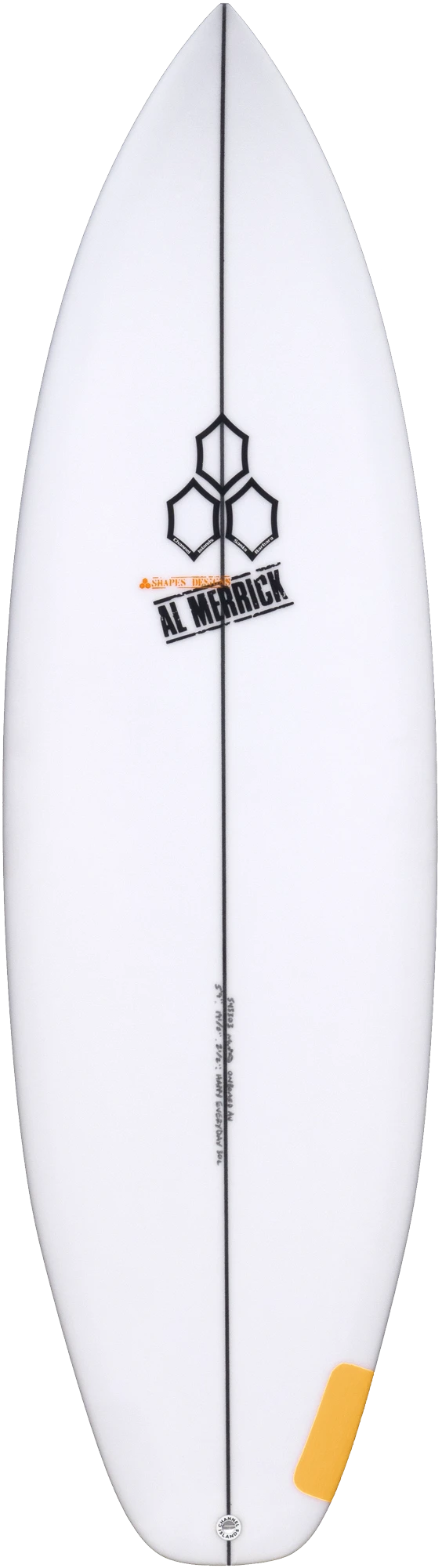
Already comfortable on a shortboard in your usual surf? You do not have to abandon it because you have a weekday job. If you catch waves consistently and want a responsive board for the conditions you regularly meet, keep that skill in the decision. An everyday shortboard, a fuller hybrid or even your existing board may make more sense than a dramatic change. Surfing England notes the tradeoff: performance shortboards favor experienced surfers and steeper waves, while flatter rocker generally helps glide in smaller, less steep surf. Read that as a prompt to inspect the whole shape, not as a rule that every weekend requires more foam.
Do not confuse tired arms with the wrong board
If the first half-hour goes well and the second falls apart, that is different from missing waves from your first paddle. It could be fatigue, a crowded peak, changing tide, or the board. A new purchase should answer a repeatable problem. Keep notes for a few sessions: wave quality, the board you used, waves attempted and caught, and what failed after takeoff. You may find that a longer board is valuable for the weak days. You may find that your current board is fine and you need a different lineup or more time in the water.
When comparing sizes, start with a board you have surfed—not a stranger's weight-to-liter target. Surf Simply cautions that volume is one measurement among outline, rocker and other design choices. A compact, wide board and a longer, narrower one can carry similar liters while demanding very different positioning and turns. Ask a local shaper or shop how a candidate changes your wave entry and control in your waves.
The two-session test before you buy
If you can borrow, rent or demo, use the candidate twice: once in an ordinary soft session and once when your regular break has a little more shape. Count useful rides rather than judging only the best turn. Can you get into a wave without a late scramble? Can you make the line you intended? Does the board still let you attempt the turn you bought it for? A board that takes three sessions to get used to is not automatically wrong, but it should offer a clear benefit worth that learning time.
Choose a forgiving longer board when wave entry is still the skill that limits your sessions. Choose a dedicated small-wave board when you already surf a shorter board well but most weekends are weak. Keep or refine your shortboard choice when your normal waves and current ability support it. And if the board you own is already giving you plenty of waves, spend the money on more water time before replacing it.
You can compare board models on Board Hogs after you have written down the problem you want the next board to solve. Bring the dimensions of the board that works now. That one piece of evidence is more useful than any weekend-surfer label.