
The board you loved years ago may still be the right one. It may also turn your first month back into a string of missed waves. Before buying a replacement, give yourself a few sessions to find out what has actually changed. How often are you getting into waves? What happens after you stand? Which waves are you surfing now, rather than remembering from your last good season?
The answer might be a bigger board. It might be a different shape at a familiar volume. And if your old board still works, keeping it is a perfectly good answer.
Start with what happens in the water
“I used to surf pretty well” tells a shop less than “I caught three of ten unbroken waves today and made one turn.” Surf Simply's coaching levels describe ability through observable tasks: selecting and catching waves without help, angling a takeoff, making speed down the line, then turning in the critical part of a wave. You do not need to assign yourself a level; borrow the idea and write down what you can do now.
After two or three sessions, ask yourself:
- Are you reaching the lineup comfortably and arriving in position to catch waves?
- Are you catching unbroken waves without someone pushing you in?
- Once standing, are you trimming down the line, or working toward a particular turn?
- Is your usual wave softer, steeper, or more crowded than the one you used to surf?
Your board cannot fix a late start from the wrong place in the lineup. It can make a sensible takeoff easier or harder. Surf Simply's discussion of volume connects flotation to paddling and wave entry, while warning that a liter figure does not describe a board's entire design. Use your wave count and the feel of a known board as evidence before choosing a number from a chart.
Three sensible ways back
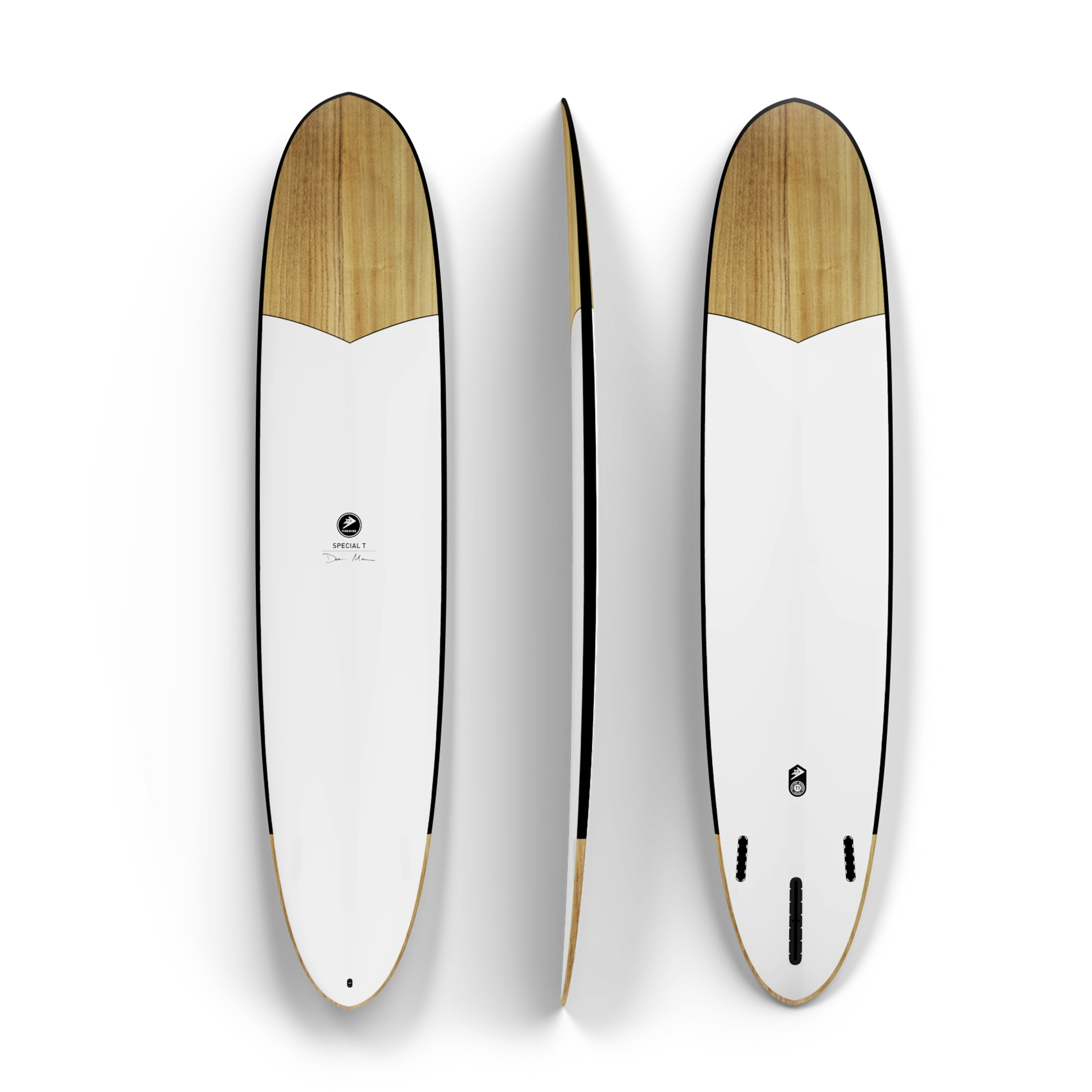
If wave catching is the immediate problem, give yourself a generous platform. A stable soft deck, longboard, or fuller funboard may let you practice takeoffs and line choice rather than paddle home with a theory about your old shortboard. Surfing England's board guide describes funboards as useful for newer and intermediate surfers and longboards as capable boards well beyond the beginner stage. A longer board is a valid everyday preference, too. There is no requirement to “graduate” out of one.
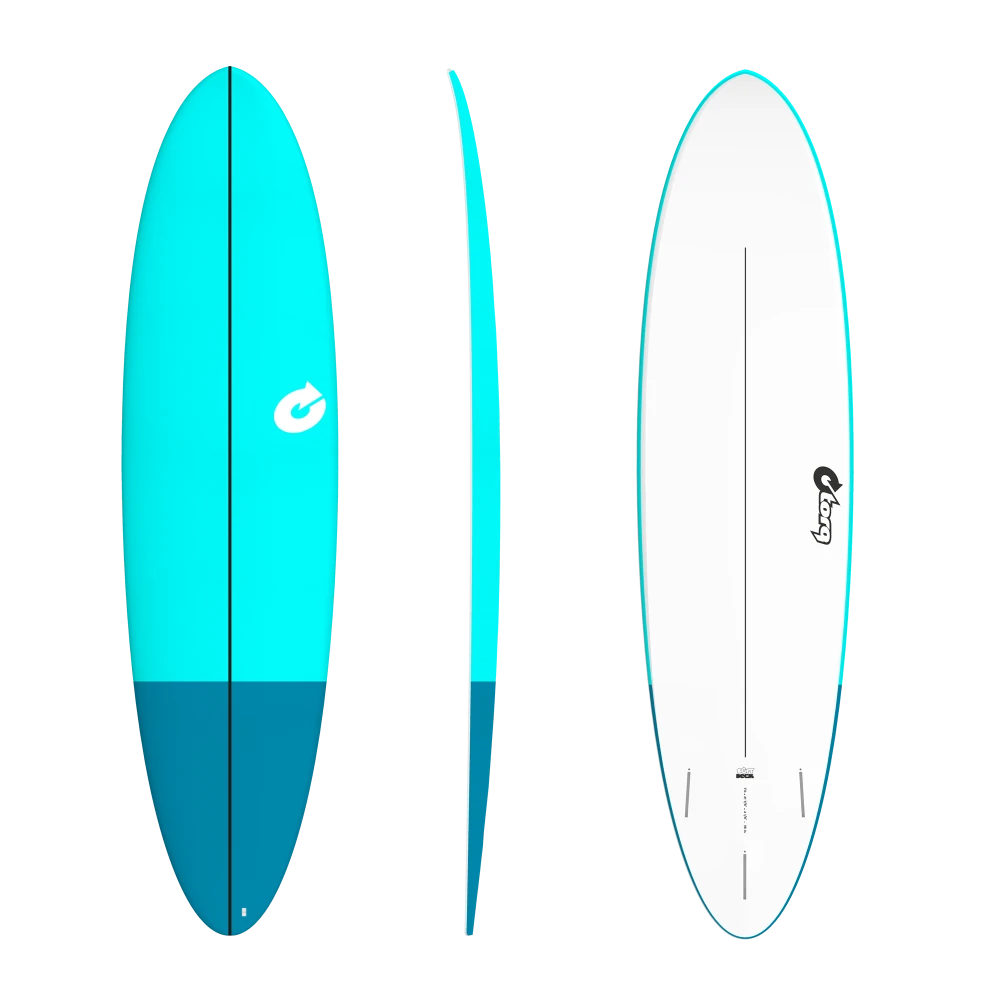
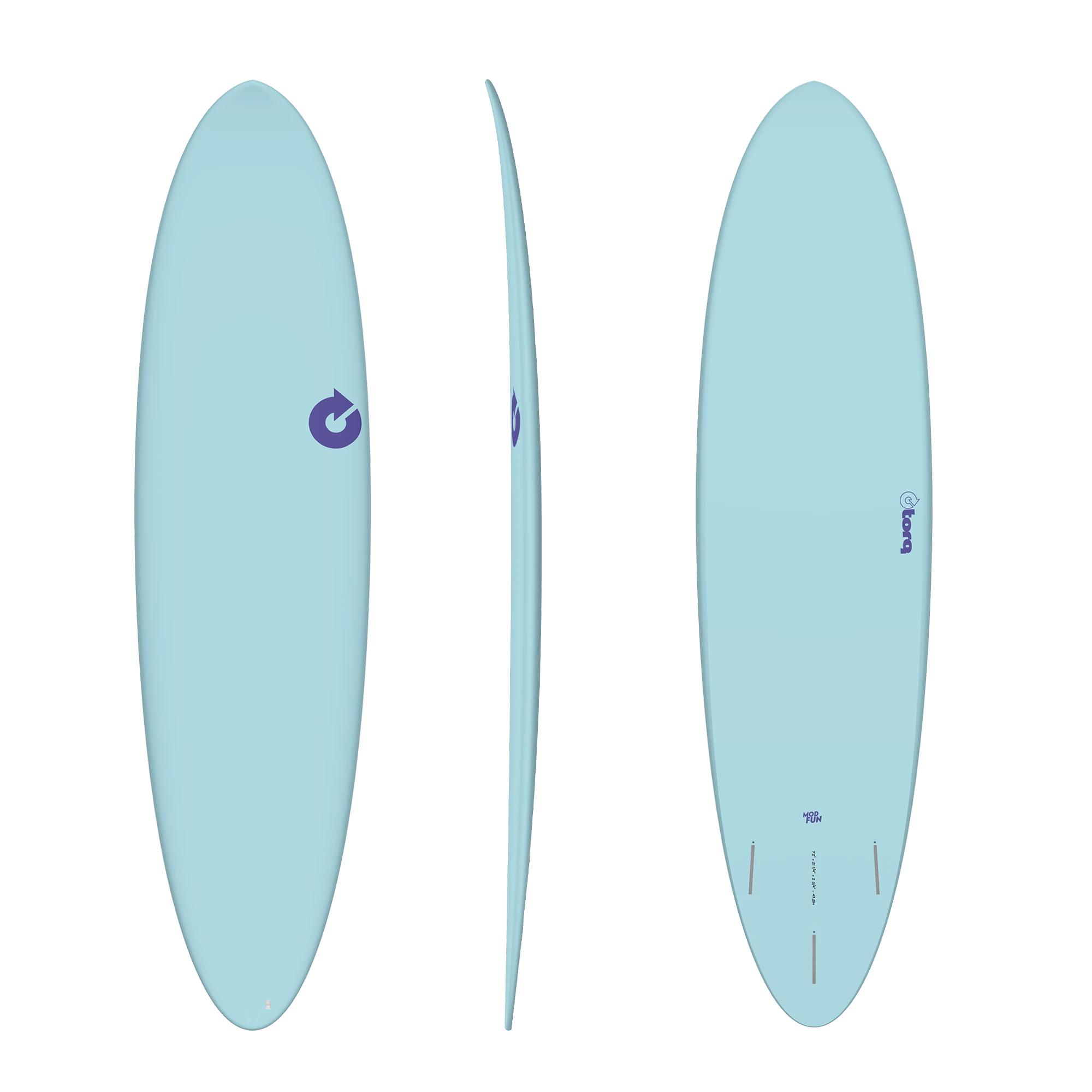
If you catch waves but want the turns to come back, look at a forgiving mid-length or funboard. Torq's Mod Fun is a concrete example: the maker places width under the chest, uses a low-to-medium nose rocker, then pulls in the tail. Its stock 7′2″ is 47.2 L. Those details suggest an easier paddle than a small performance board while leaving a tail designed to turn. They do not mean the 7′2″ is the right size for everybody. Browse the Mod Fun in the Board Hogs catalog and compare its dimensions with a board you already know.
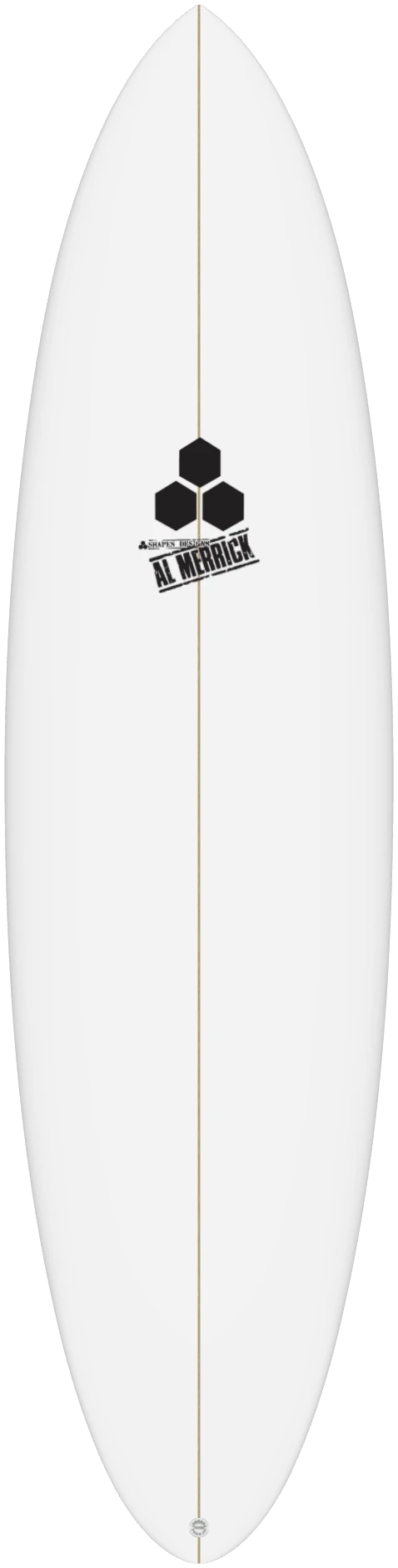
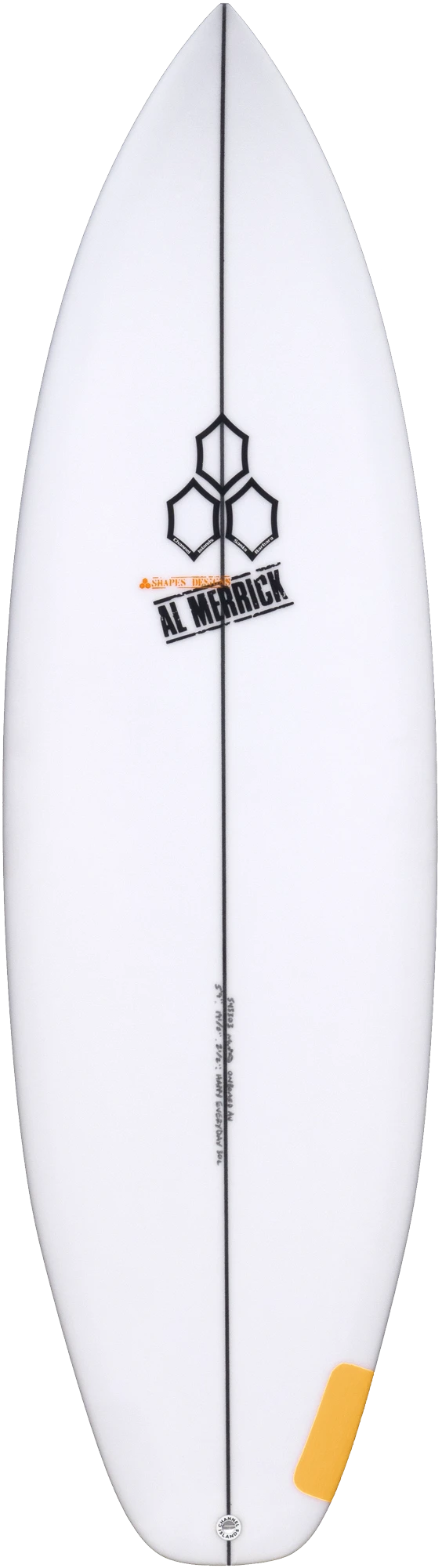
If your old shortboard skills are still there, shop for the waves you actually get. The Channel Islands Happy Everyday is designed as an everyday shortboard between the brand's more demanding Two Happy and its Rocket Wide step-down. Channel Islands says it lowered the entry and exit rocker to improve paddle and planing speed in ordinary conditions. That makes its job worth considering for someone returning to shortboard turns in everyday surf. It is still a shortboard; it will not provide a funboard's early entry simply because its stock chart offers larger sizes. See the model in the catalog, then inspect the size and construction of the board you would actually buy.
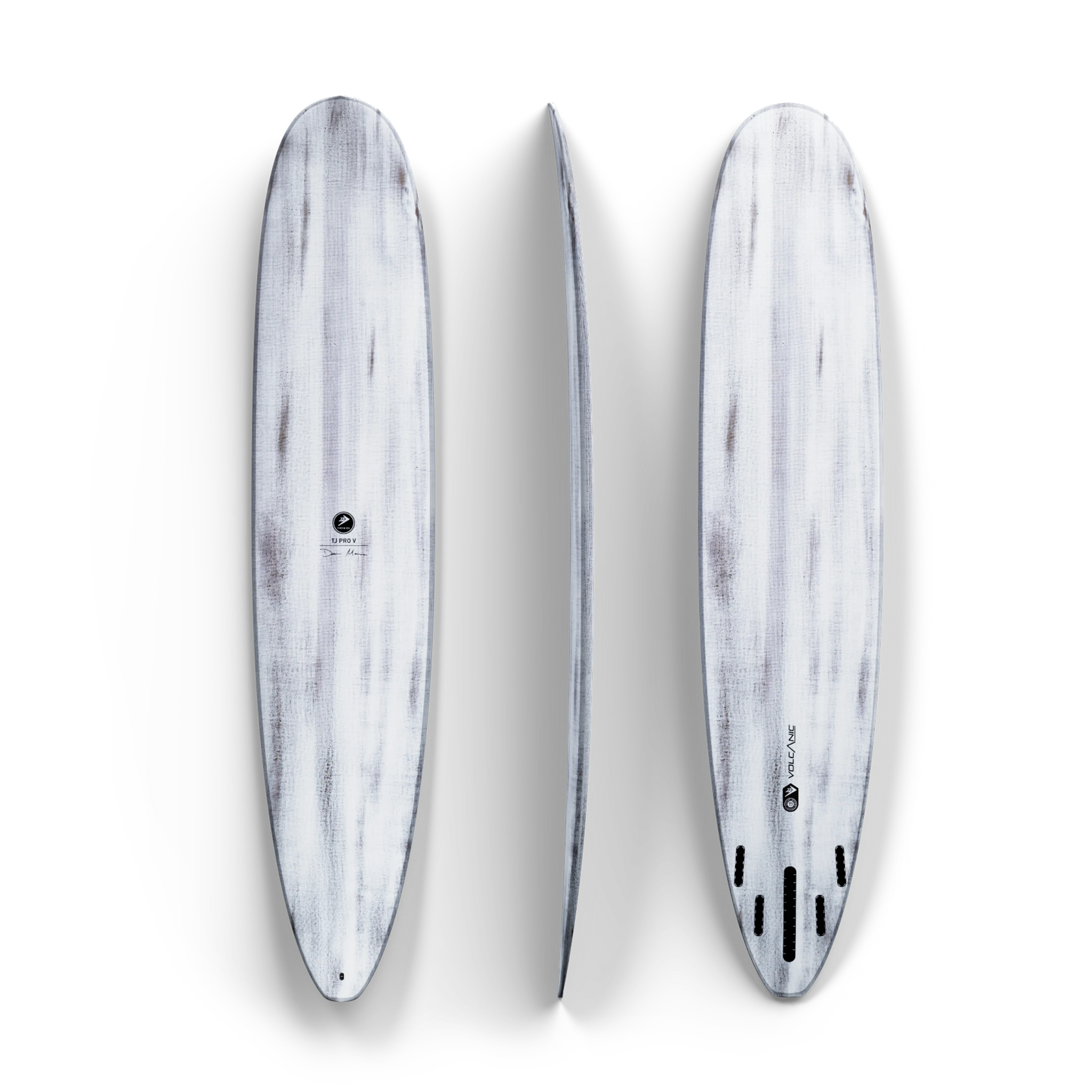
There is another route if you value a longer rail and a flowing line. The CI Mid places foam forward for paddling and trim, with a 2+1 fin setup and design features through the tail intended to keep it responsive. It is a different style of surfing from a fuller shortboard. Compare the CI Mid's catalog entry with the shortboard you remember, and decide which kind of turn you want to recover.
Treat the old board as a measurement, not a verdict
Before selling it or buying another, note its length, width, thickness, volume if known, fin system, and condition. Then describe one thing it still does well and one thing it makes difficult in your current surf. If it paddles fine but feels sluggish in turns, adding even more foam may miss the problem. If you like the way it turns but rarely catch a wave, a board with more useful paddle area may be a better experiment than a tiny volume increase in the same shape.
Check the old board itself. A ding, soft area, or compromised fin box can affect your session and deserves attention before you blame the design. Surfing England's equipment guidance says to use a board appropriate to your ability and in good condition, with secure fins and a suitable leash.
Borrow first, then buy with a reason
Try two boards in the same familiar conditions if you can: your old board and one that changes a single useful thing—perhaps more length and paddle glide, or an everyday outline in place of a high-performance one. A rental, a shop demo, or a friend's spare board can be enough. Keep the comparison simple: waves attempted, waves caught, where you stood on takeoff, and whether you could make the turn you wanted. One great wave is memorable; the ordinary waves tell you what the board will do for most of your sessions.
Choose the larger, steadier option if you need wave time to rebuild timing. Choose a mid-length if you are catching waves and want glide with room to redirect. Choose an everyday shortboard if you are already getting in consistently and want to regain shortboard turns. Keep your old board if it still gives you both waves and the style you enjoy. Your comeback board earns its place by making the next ten sessions better, not by matching the board you used to ride.
You can browse board models by category, bring a short list to a local shop or shaper, and talk through the waves you have actually surfed since returning.