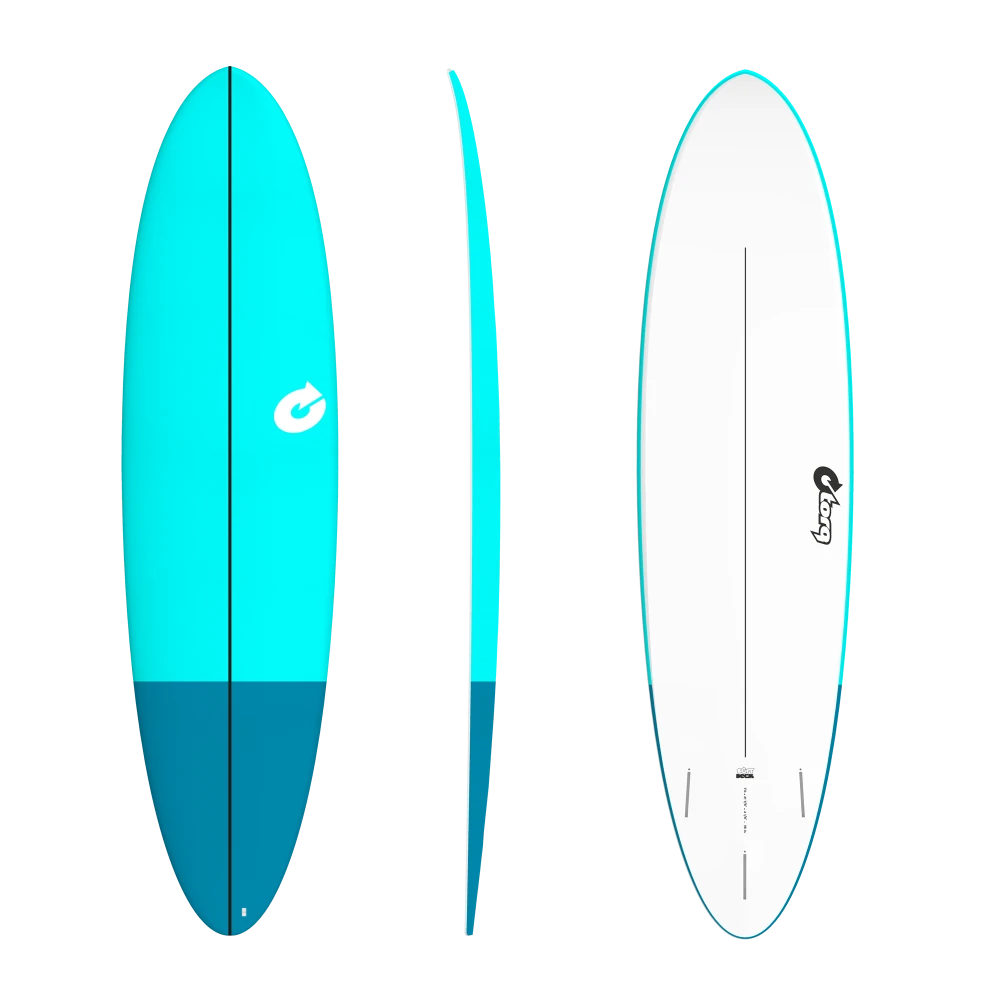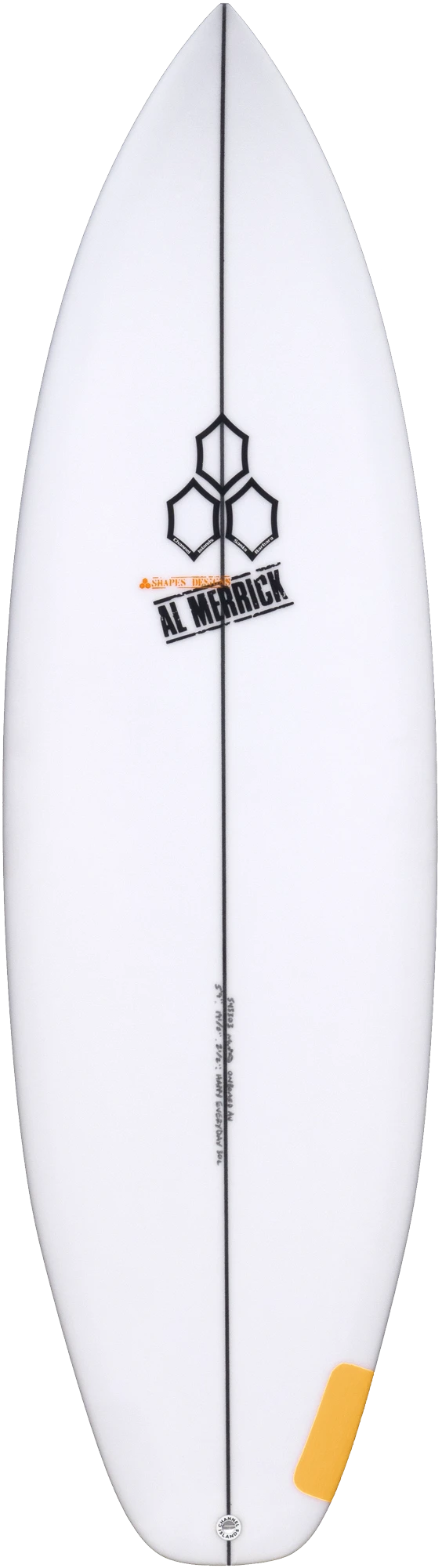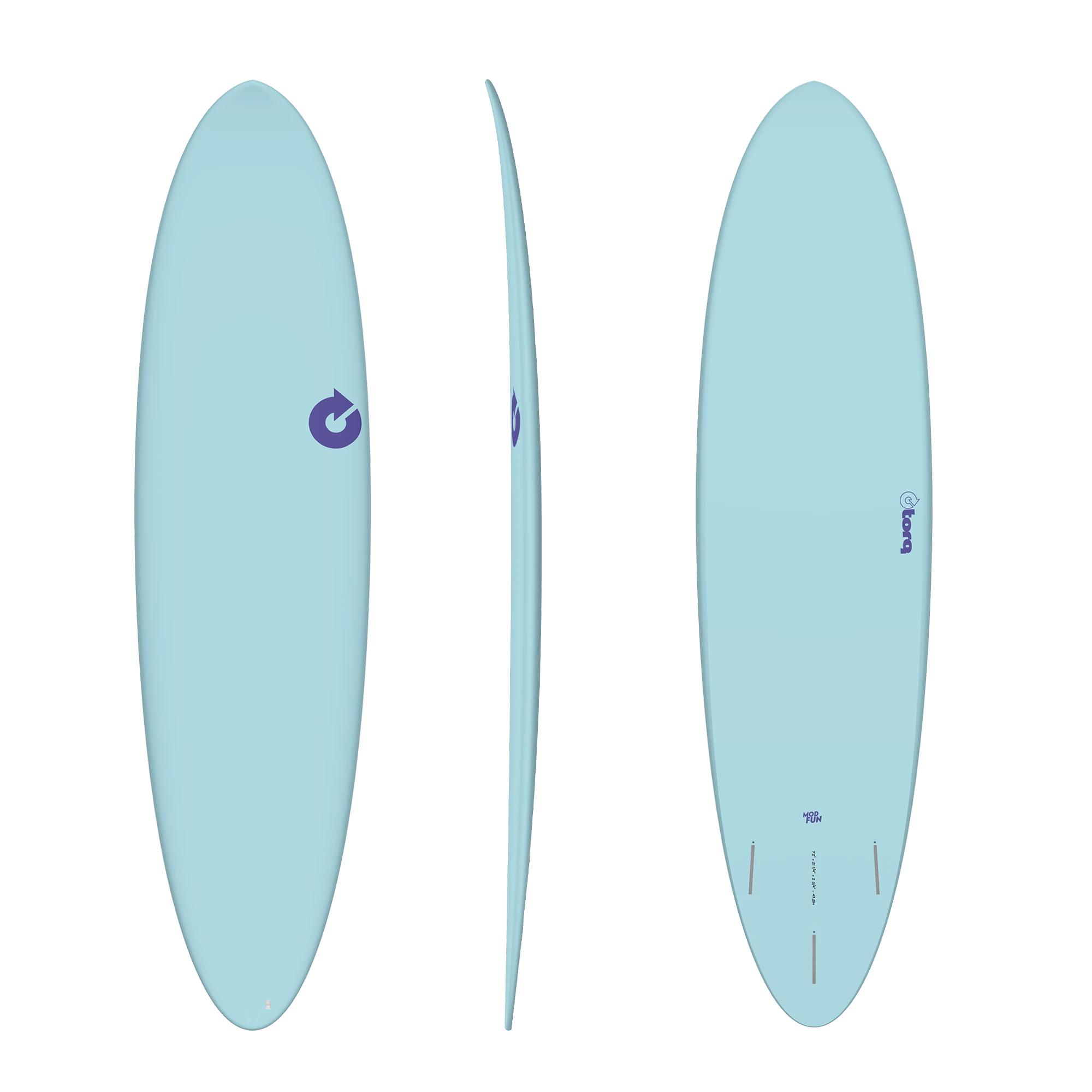
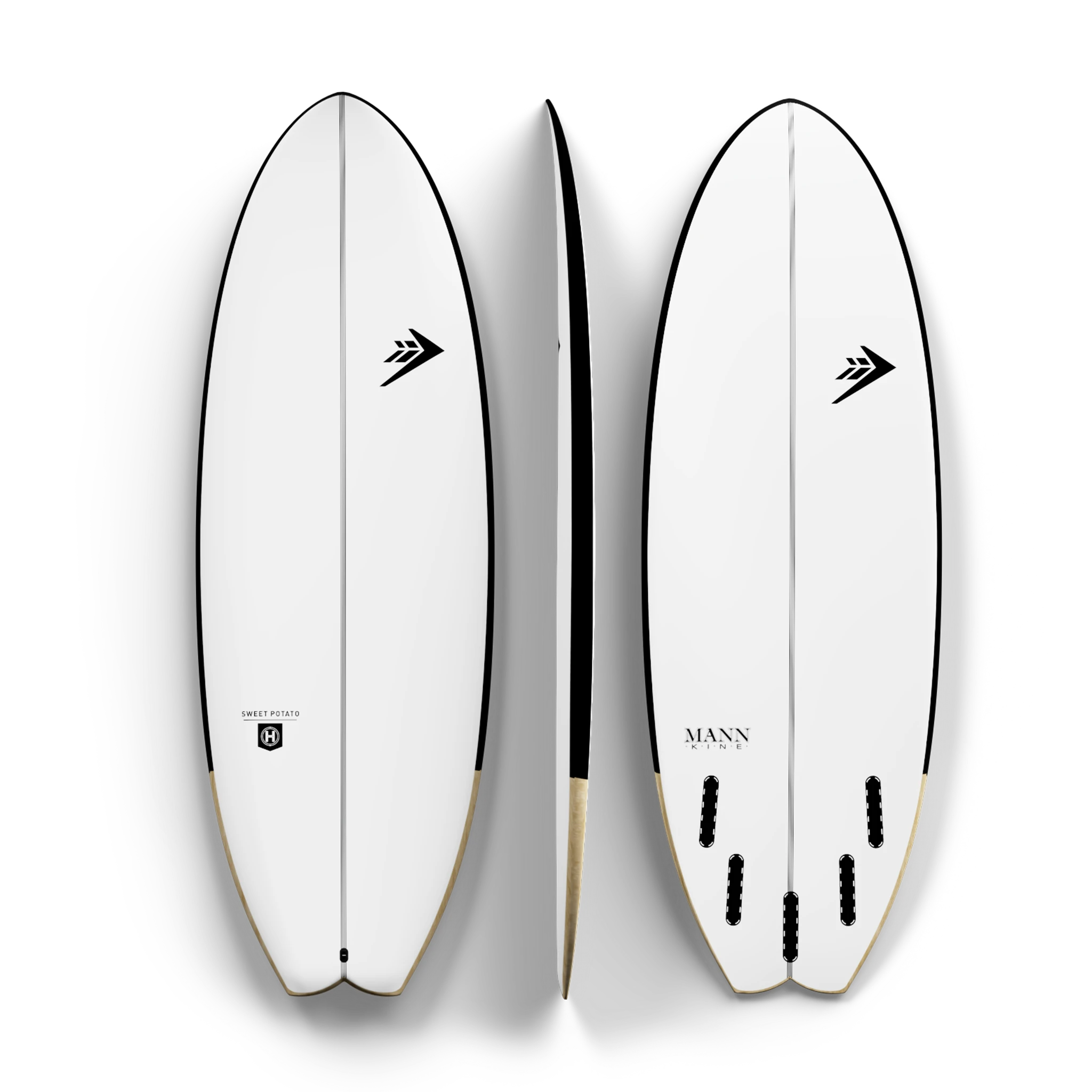
If you have ever been told to “just add ten liters,” you have been given half an answer. Your weight does affect how high a board floats you. It does not tell a shaper whether you surf a slow beach break or a steep point, how wide your stance is, or whether you want to trim or turn sharply. The board has to work for the person and the wave.
The better starting question is simple: What does your current board make difficult? Keep that board’s dimensions handy. They will tell you far more than a generic chart for your weight.
Start with a board you know
Think through your last three ordinary sessions, rather than your best day of the year. Could you paddle into the waves you chose? Did the board carry speed through flat sections? Could you set a rail when the wave stood up? A board that catches plenty of waves but feels awkward through turns calls for a different change from one that turns beautifully only after you have missed half the set.
Volume is useful here. Surf Simply explains why a heavier surfer generally needs more board volume to achieve the same buoyancy, and why fitness, ability, and the skill being learned also matter. It does not present a single correct liter number for every surfer at a given weight. Use the volume of a board you know as a reference: perhaps you need more paddle help, perhaps you need to keep the float and change the shape.
If you are returning after time away, or only surf occasionally, be honest about current paddling fitness. Choosing enough board for the sessions you can actually get is a better investment than sizing for the surfer you hope to be six months from now.
Pick the job before the number
For slow, weak waves, look for an outline that gives you planing area and an entry rocker that does not fight early wave entry. For waves with a more defined face, you may want a shape that gives up some of that easy glide in exchange for a longer rail line or a more controlled tail. REAL Watersports' sizing guide puts design before volume and dimensions for exactly this reason. Channel Islands shaper Al Merrick has also pointed out that a flatter rocker can help paddling and speed without simply increasing volume.
This is particularly relevant if you are trying to make a shortboard work by scaling it up. A much longer, thicker version of a small performance shape may give you the target liters while moving the rails, rocker, and turning area away from what you liked about it. Sometimes a fuller everyday shape at an appropriate length is the cleaner solution. Sometimes a mid-length is. Neither choice is a concession about your ability.
Same volume, two very different boards
Here is a useful example from one maker. Lost lists both a 7'4" Smooth Operator and a 7'4" Crowd Killer Round at 50.5 L. The Smooth Operator has a low entry rocker, forward width and foam flow, and is designed around glide and horizontal trim. The Crowd Killer Round carries more outline curve and a round tail; Lost describes its aim as more control and smoother turning when the surf improves. The Smooth Operator's stock 7'4" is 21.63" wide and 2.92" thick; the Crowd Killer Round is 21.75" wide and 2.84" thick. The number at the end of both charts matches, but the design brief does not.
That does not prove which one you would prefer in the water. It shows why shopping for “50 liters” alone leaves out the most interesting decision. If your favorite waves are soft and you like to draw a line, the Smooth Operator's design is worth a look. If you want a board you can redirect more actively as the face gets better, the Crowd Killer Round is a more relevant design to investigate. Those are inferences from the makers' stated designs, not ride-test verdicts.
Watch where the foam goes
Once you have chosen a design family, inspect the outline and foil rather than only the center thickness. Foam under the chest can support paddling; extra thickness carried into the rails changes how the board feels when you lean it over. REAL Watersports notes that thicker rails can help a larger surfer in some conditions, but an excessively thick rail can become difficult to engage in a turn. Width placement matters too: a wide point forward and a wide tail are different choices, even if the tape measure gives the same maximum width.
Do not assume weight tells you the right length. A tall surfer may need room for a wider stance; a shorter surfer at the same weight might find that length cumbersome. The stock size chart is a useful starting point because the maker has scaled each length as a complete design. Take your current board's length, width, thickness, and volume to a local shop or shaper and ask where the new model puts its foam. If the stock options make you choose between too much length and too much rail thickness, a custom size may be worth discussing.
Make the purchase decision on a real wave
If you can borrow or demo a board, test it in the conditions you normally surf. Notice how many waves you get into without desperate paddling, whether you can make the first section, and whether the rail responds when you ask it to turn. A board can feel wonderful in a clean, powerful wave and still be a poor everyday buy for a slower local break.
- Choose more paddle-friendly shape or volume when the current board keeps you out of the waves you want, especially if the surf is usually weak.
- Choose a different outline or foil when you already catch waves but the board feels hard to redirect. More liters in the same shape may not solve that.
- Avoid copying another surfer's liter target unless their ability, fitness, wave and board design are close to yours.
You can browse Board Hogs' board catalog with that job in mind, then compare the actual size charts and fin setups of a short list. Bring the shortlist to someone who can see your stance and knows your local waves. The goal is a board that gives you useful waves and the turns you want to make—not a number that looks reassuring in a filter.