
The tempting question is, “What length board does a nine-year-old need?” A more useful one is, “Who catches the wave?” A child being pushed into whitewater by an adult, a child paddling for it independently, and a child turning on an unbroken face need different things from a board. Their age cannot tell you which stage they are at.
Start with the last few sessions, not a growth chart. Did your child enjoy standing for a moment with help? Could they paddle, catch and finish a broken wave on their own? Are they already choosing small unbroken waves and setting a line? Those observations will narrow the choice more than a height-to-board-length rule. Surfing England's junior coaching scheme treats safe board handling and independent wave-catching as skills to learn, not milestones that arrive on a birthday.
For first rides with help: make the wave easy
If an adult or instructor is positioning and pushing the board, prioritize a stable soft top that gives the child time to get to their feet. The adult can help carry and turn a board that would be awkward for the child alone. Surfing England recommends a larger, stable soft top for beginners and a lesson with a qualified instructor. Renting the school board for the first few sessions is useful research: you get to see what your child can actually stand on before buying.
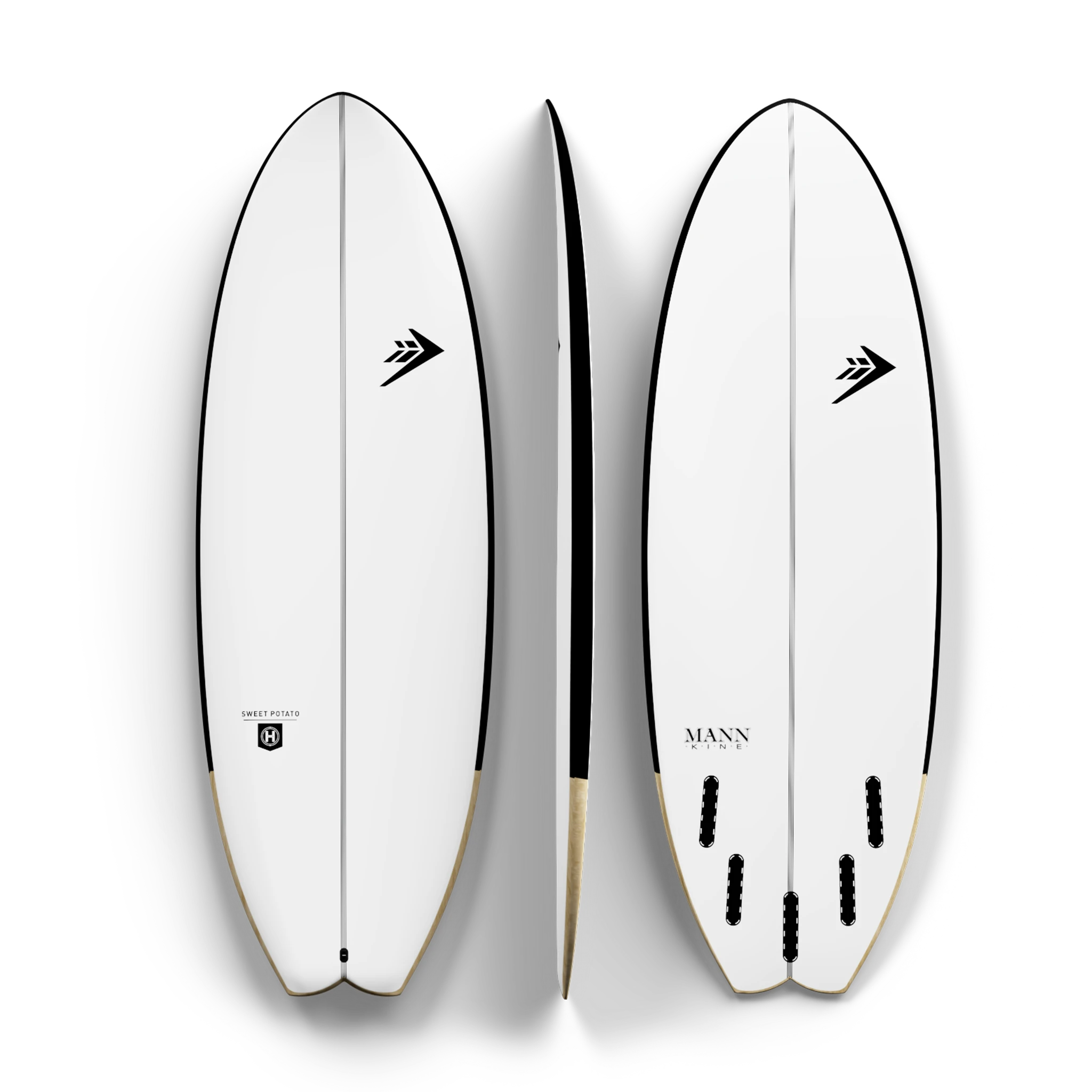
This is where a tiny “grom” board can be a poor purchase, even if it looks proportionate in a photo. Less length and planing area can mean fewer waves caught and a hurried pop-up. Softech's Roller 2.0 is an example of the opposite approach: a full learner outline and a range of lengths from 6'0" to 8'6". That is a model to discuss with an instructor, not a prescription to buy the longest size. The child still needs a board and location they can manage safely.
When they paddle and catch waves on their own
Now board handling becomes part of the fit. Ask your child to carry the candidate with the fins pointing away, turn it around without hitting anyone, hold it through a small oncoming wave and paddle it back into position. A board that floats beautifully but repeatedly gets away from them is not helping them become independent. Surfing England's junior coach book explicitly teaches carrying, turning and keeping the board out of the path of an oncoming wave.
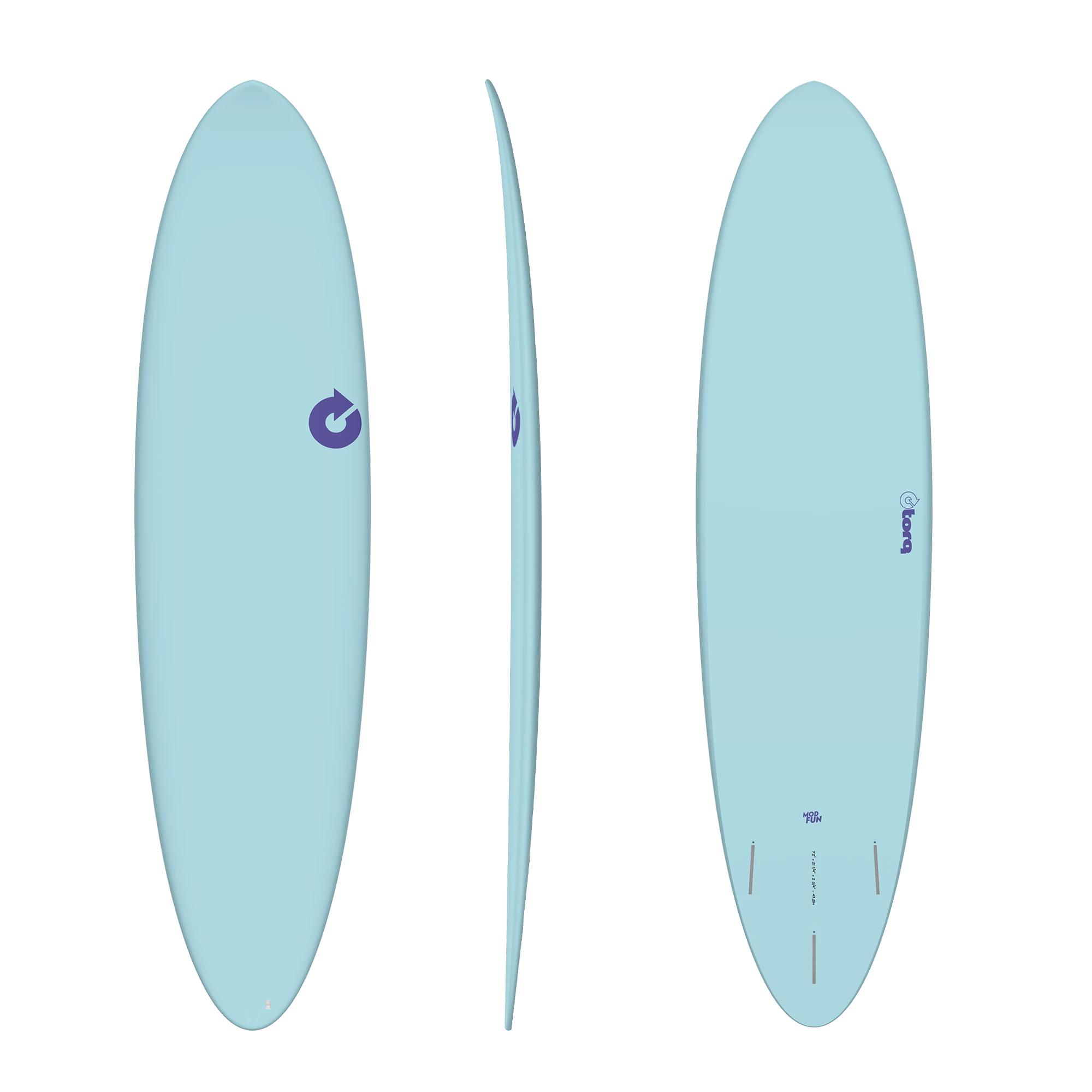
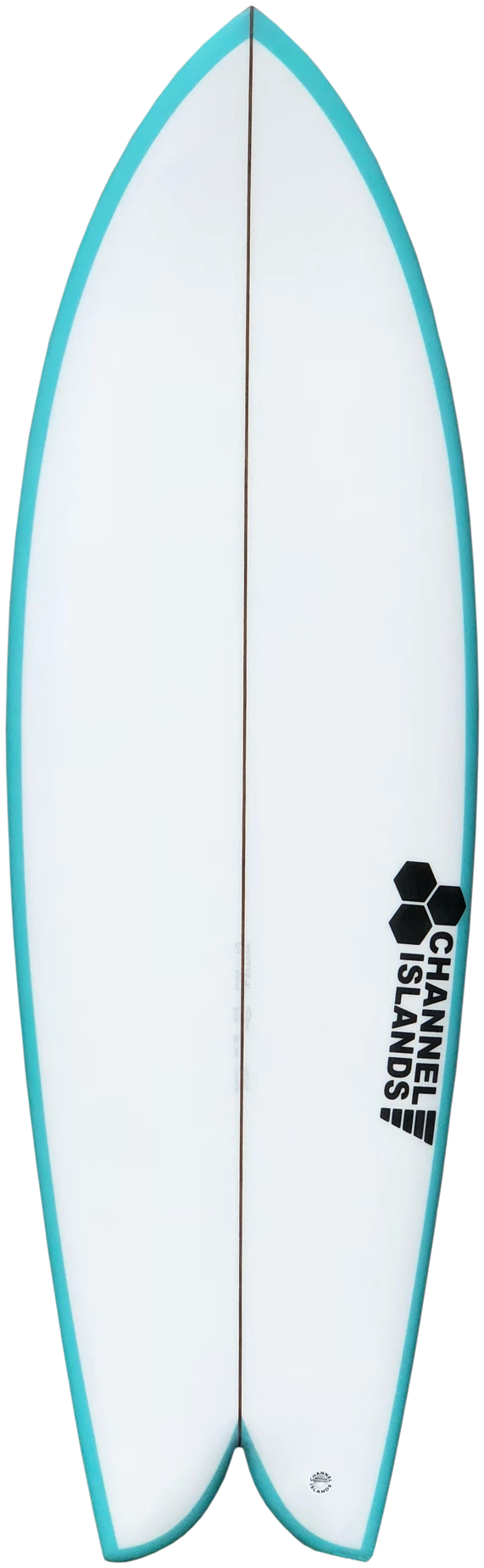
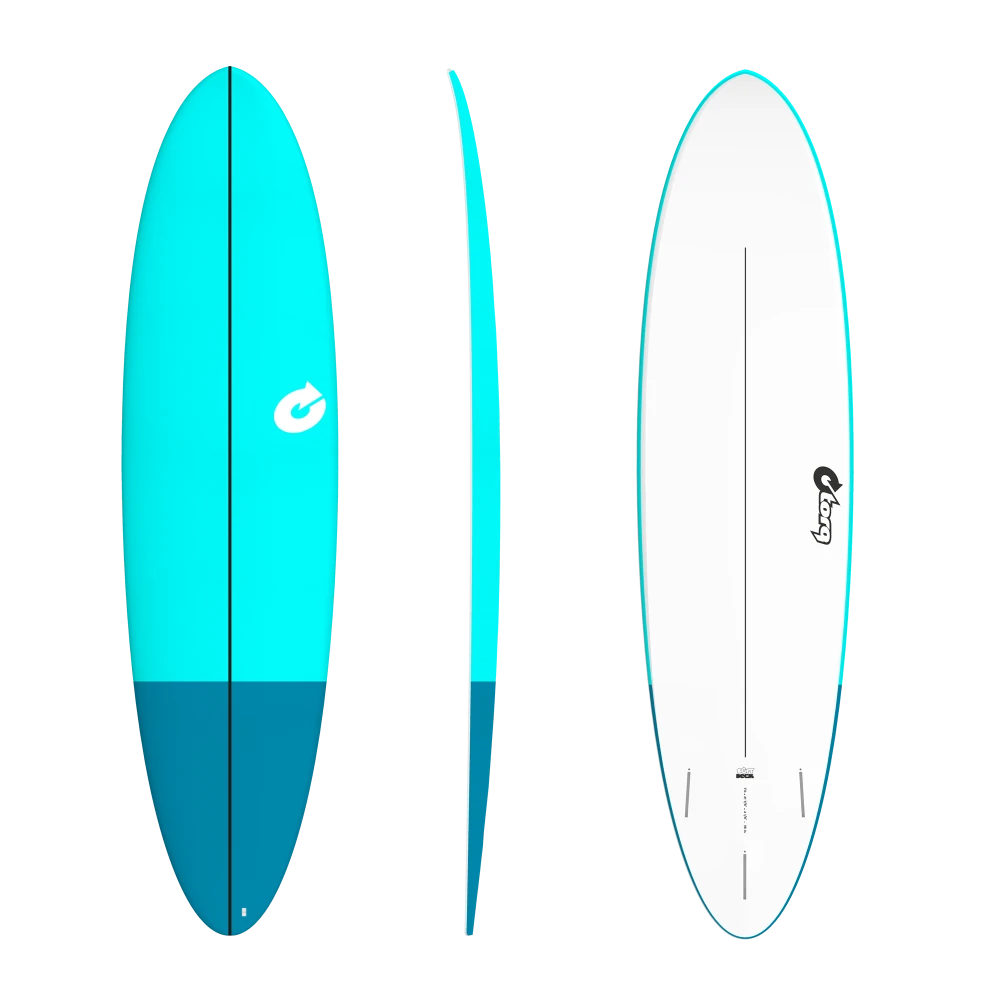
Shorter can be sensible at this stage, but only if your child still catches enough waves to practice. Softech markets The Goblin for younger, lighter surfers catching small broken waves; its listed sizes begin at 5'2". Torq calls its Mod Fish Soft Deck a compact, stable board for beginner-to-intermediate progression, with a wider outline and sizes from 5'11" to 7'2". Neither maker's “kids” label can tell you whether your child will catch more waves on it than on the longer school board. A borrowed session on each kind of shape can.
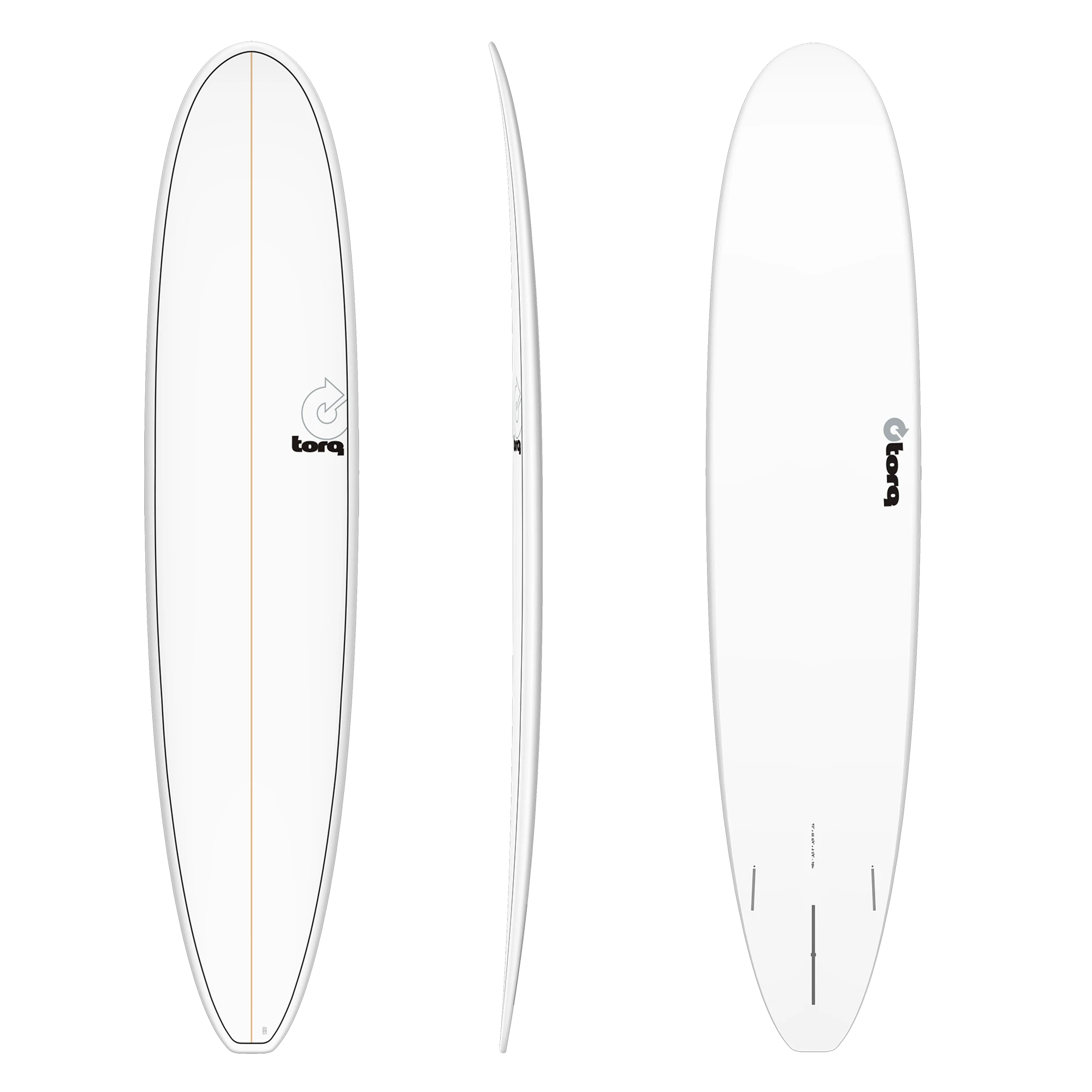
You can compare the Torq Mod Fish Soft Deck in the Board Hogs catalog with the Mod Fun Soft Deck. The Mod Fun's larger outline may be a better fit for a child still building wave count; the Mod Fish may suit one who can already position and paddle into waves without help. Compare the actual size and fin setup offered, not only the model name.
When the first turns are happening
An improving child may ask for a hard board because a friend has one. Before making that switch, look at the maneuver they are trying: are they trimming along the face and turning back toward the breaking part of the wave, or still trying to catch it consistently? A more responsive soft board can be an intermediate step. Softech's board selector separates learner boards from refined soft-board shapes for surfers starting to turn.
A hard board can make sense when their coach agrees they can control it, catch waves reliably and use the more responsive rails and fins. It does not have to be a tiny performance shortboard. Surfing England's board guide describes forgiving funboards as useful for newer and intermediate surfers, while performance shortboards are aimed at experienced surfers in steeper waves. Bring the dimensions of the board your child catches waves on now to the shop. Then ask what a candidate changes besides its length: outline, rocker, volume distribution and fins all matter.
Buy for this season, and check the whole setup
“Room to grow” sounds economical until a board is so large that a child cannot control it, or so small that they spend a season missing waves. A used or rented board that fits now may be a better bridge than an aspirational new one. Before buying, check that the leash is appropriate and sound, the fins are secure, and the board is in good condition. Surfing England's equipment guide calls out all three checks.
Board choice is only one part of the session. Choose small, suitable conditions with a supervising adult or qualified instructor, check local beach signs and surf zones, and turn around when conditions change. A soft deck makes board contact less harsh; it does not remove the risks of waves, other surfers or the board itself. Surfing England's beach-safety guide explains the flags, changing tides and local hazards.
The best test is pleasantly simple: after a few sessions on a candidate, is your child catching waves, controlling the board and asking to go again? If the answer is yes, there is no prize for rushing to a smaller shape. If the board is limiting a skill they can already attempt, take that specific problem to a coach or shop and compare the next options in the Board Hogs board catalog.