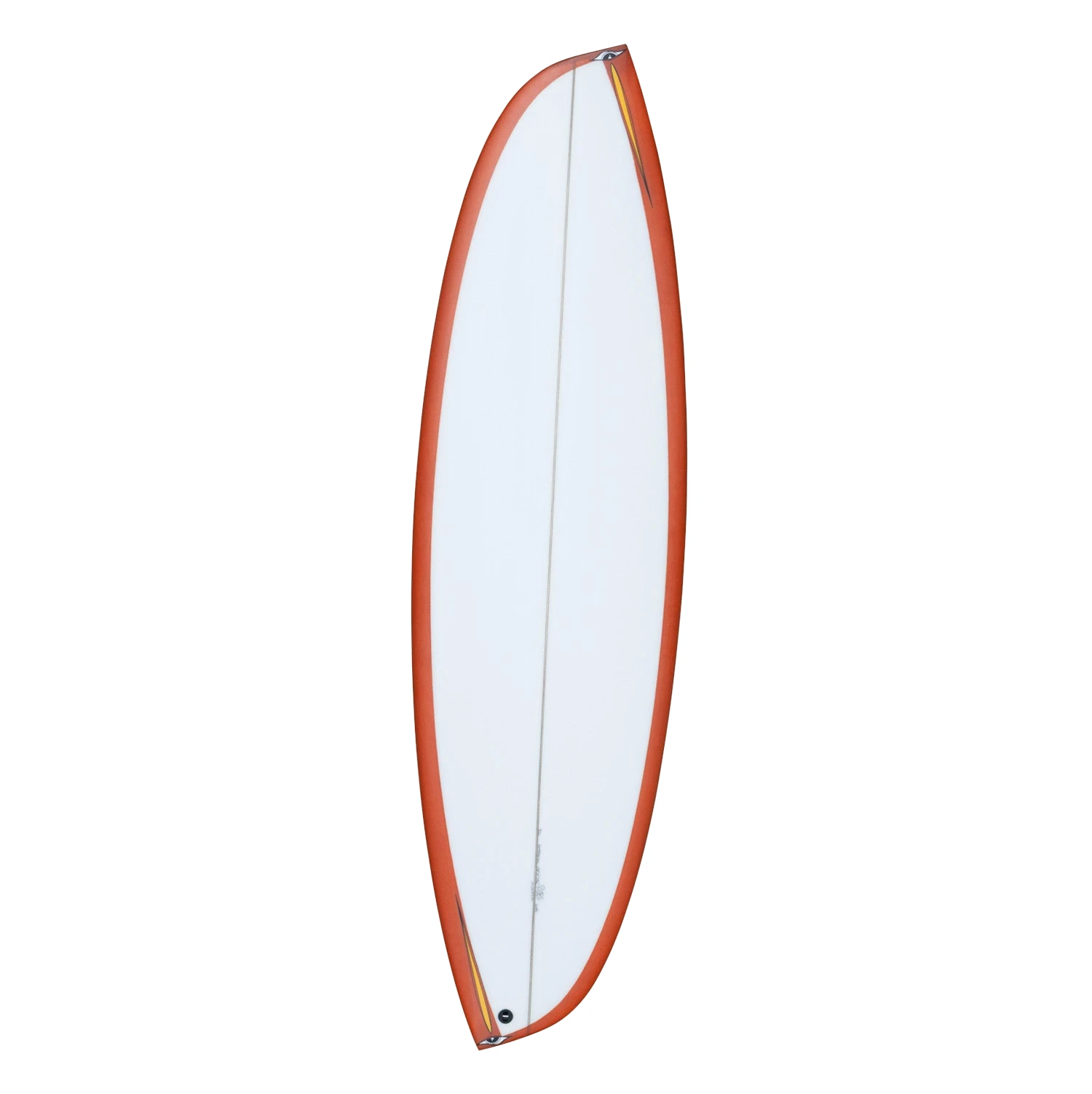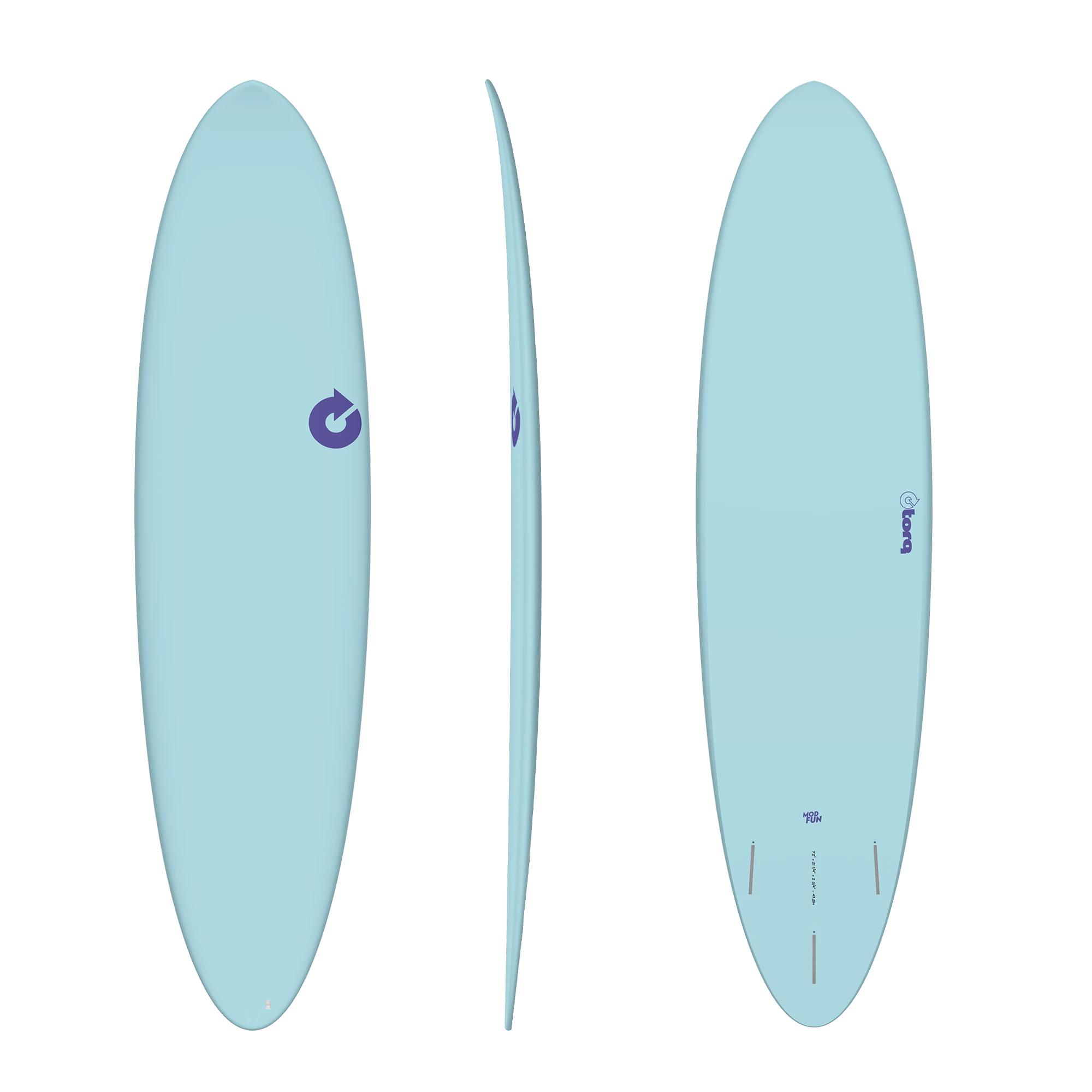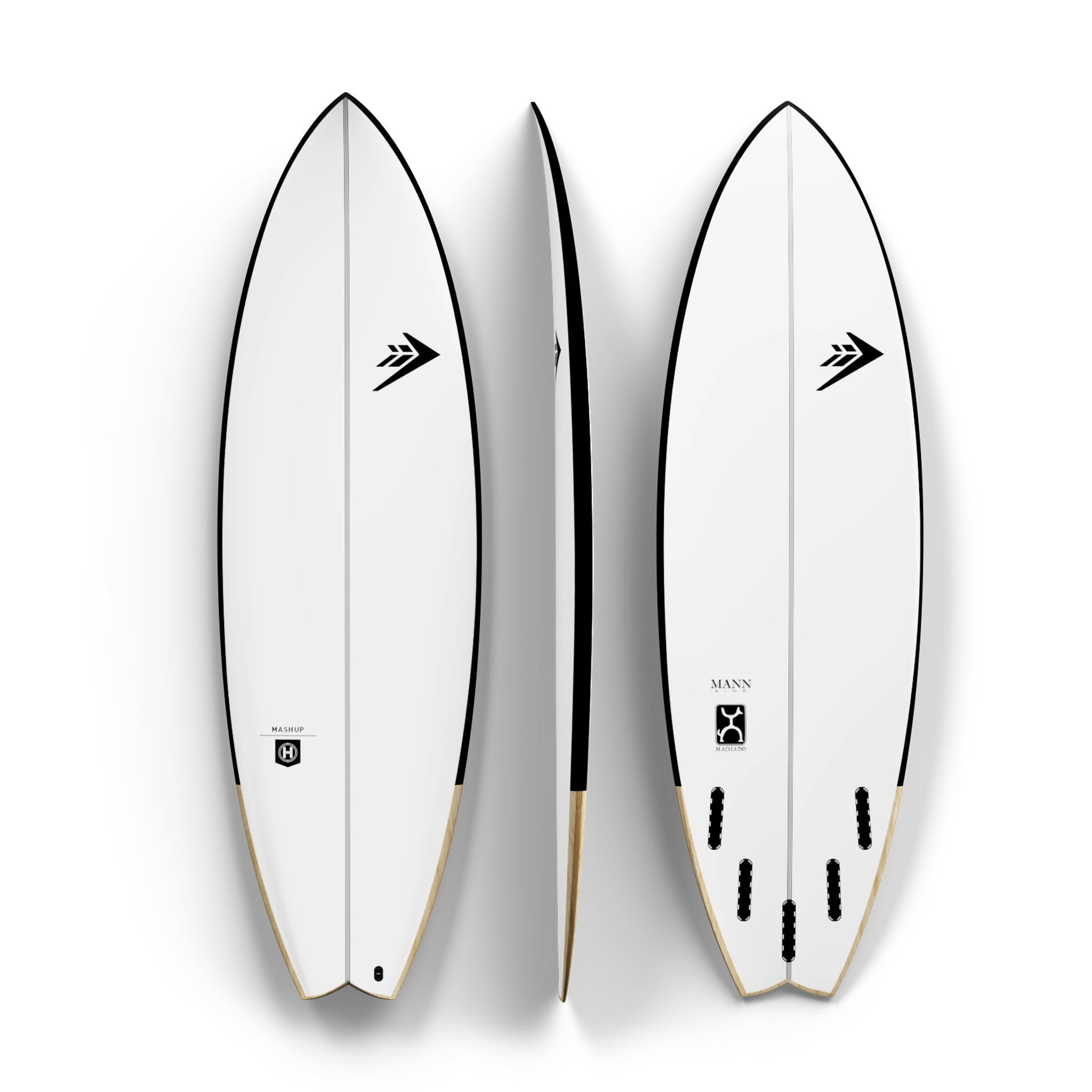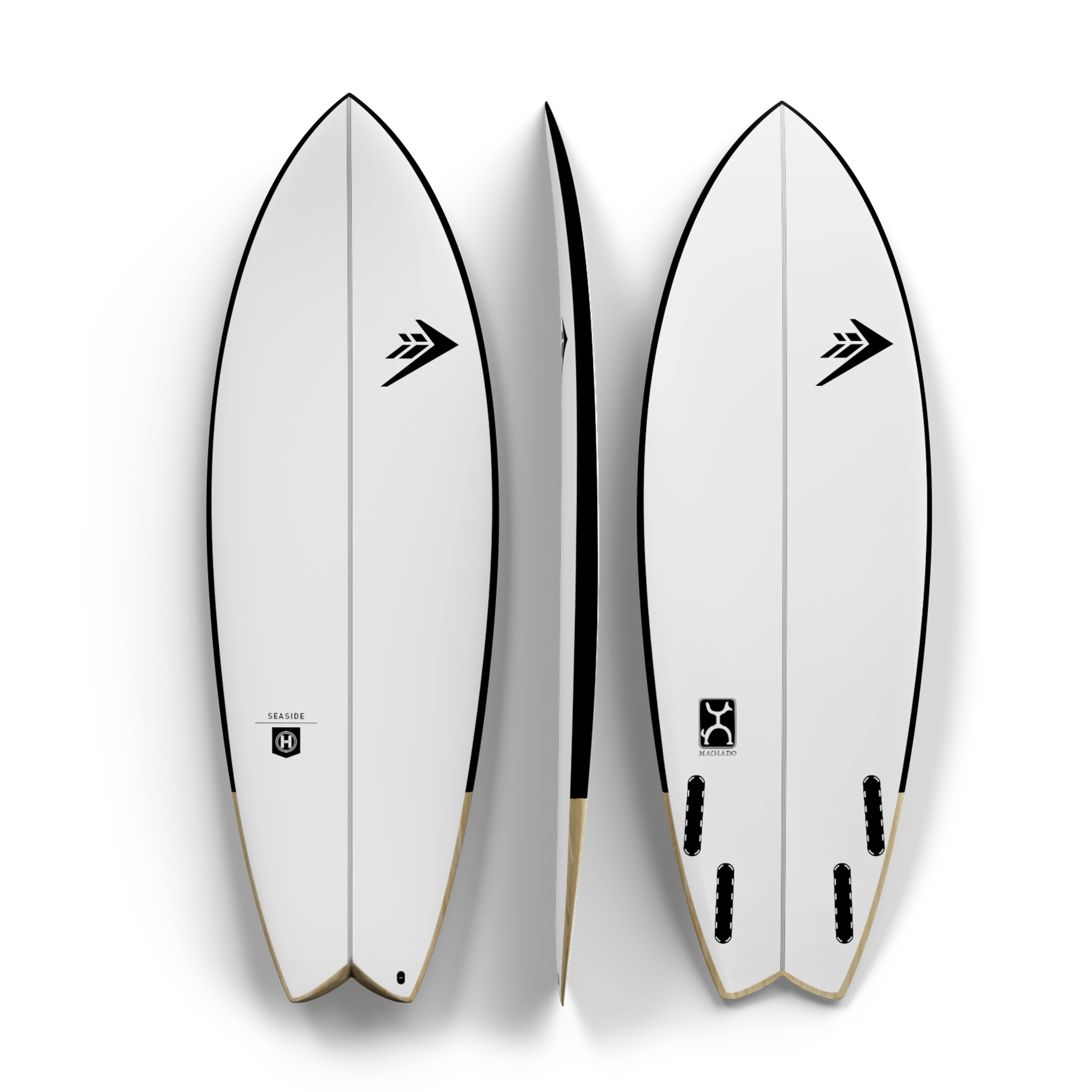
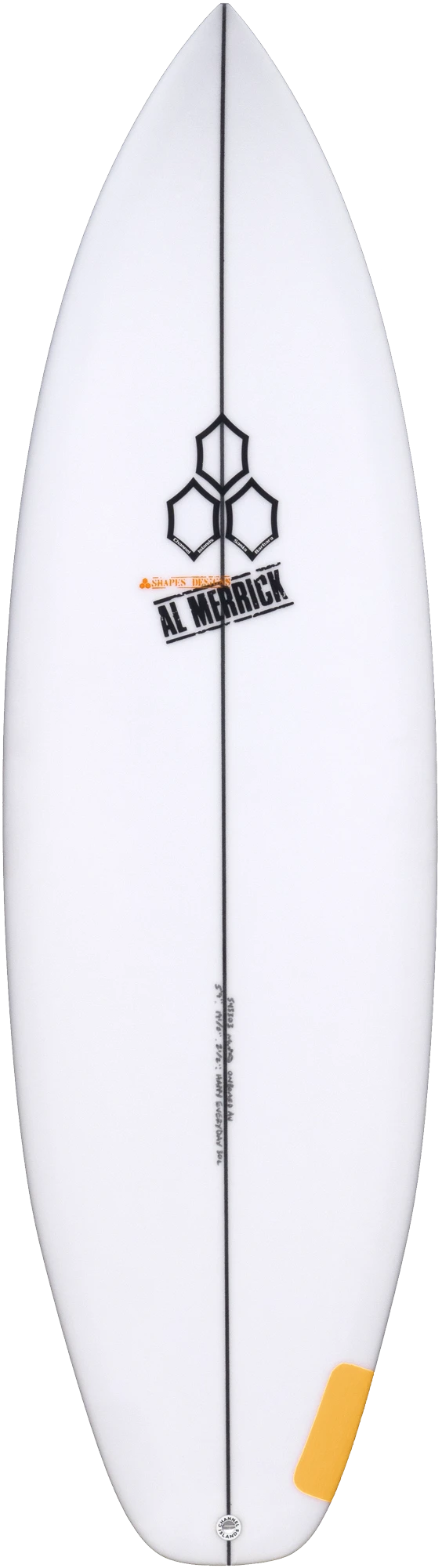
A lot of board-shopping conversations end with the same nervous question: Will I be able to duck dive it? Fair question, especially if your local paddle-out puts several walls of whitewater between you and the lineup. But a board's volume figure cannot answer it on its own. You need to know whether you can sink and control that particular board, and whether giving up the foam to do so would make the rest of your session better or worse.
What a duck dive asks the board to do
The move is more than shoving the nose underwater. You paddle toward the approaching wave, drive the nose down, sink the tail with a knee or foot, then bring your body close to the board as the wave passes. Timing, momentum and control matter as well as strength. Aotearoa Surf School's paddle-out guide teaches the sequence and distinguishes it from a turtle roll on a larger board.
If your technique is still developing, a board that feels difficult to sink may be exposing a timing problem. A board that springs straight back to the surface even when you get the sequence right may simply have more float than you can comfortably submerge. Both can be true. Either way, buying a smaller board is a costly way to diagnose a skill you could practice or have a coach watch.
Why there is no universal liter cutoff
Volume measures how much space a board occupies. It is a useful comparison, but it does not tell you where the foam is distributed, how broad the nose is, or how the rails sit in the water. Surf Simply's updated volume guide also points out that the same board will float surfers of different weights differently, and that no size should be treated as a surfing achievement.
Take two current stock charts. A 5'5 Firewire Seaside is 31.5 L and 20 15/16 inches wide. A 5'10 Channel Islands Happy Everyday is 30.9 L and 19 3/4 inches wide. Those are close volume figures in boards five inches apart, with visibly different outlines and intended jobs. Firewire calls the Seaside a quad groveler; Channel Islands calls the Happy Everyday an everyday shortboard. The charts cannot predict which one you can duck dive, but they do show why “about 31 liters” is an incomplete answer. Check the exact size, construction and shape rather than treating a volume label as a pass or fail mark.
Your own size, leverage, technique and the wave's force also enter the picture. The same surfer may sink a board in still water yet struggle to get it under a breaking wave with poor timing. Conversely, someone who knows a board well may manage more float than a new buyer expects. This is why a shop's blanket “yes, that one duck dives” deserves a follow-up: for whom, and in what surf?
Do not buy a worse wave-catcher just to get under waves
The paddle-out is one part of a surf session. Once you reach the lineup, you still have to catch waves, get to your feet and do what you bought the board to do. If your current board gets you into weak waves early, a much smaller replacement may make the paddle-out easier while reducing your wave count. Surf Simply's coaching advice is to choose size around the maneuver you are learning and the success rate you can sustain—not a smaller-board badge.
Ask what you actually want to change. If you already catch waves reliably and want a more responsive board for the pocket, a lower-volume shortboard might serve both goals. If you are still working on independent takeoffs, choose for wave-catching first and learn a paddle-out technique that suits the board. If you love the glide of a mid-length or longboard, there is no reason to trade that entire style away just to copy the shortboarder's duck dive.
When the board will not sink: learn another way out
A high-float board is not a defective board. The Academy of Surfing Instructors teaches the turtle roll for larger boards: turn the board upside down, hold the rails and let the whitewater pass before rolling upright and paddling again. Aotearoa Surf School also describes pushing through smaller whitewater and choosing an established paddle-out route or a gap between sets. Those skills take practice; they are part of riding a longboard, not a consolation prize.
Keep control of the board and be aware of people behind you. If you are unsure which technique or route fits your local break, a lesson or a knowledgeable local surfer is more useful than a universal answer from a size chart. Do not assume that a smaller board makes a difficult or crowded paddle-out safe.
A better test before you pay
Try the exact model and size if you can borrow or demo it. In calm water, see whether you can sink the nose and then the tail while staying in control. Then try it in manageable surf with room around you. That first check is only a rehearsal, not proof that every whitewater wave will be easy. Notice how many attempts it takes to get through, but also how the board paddles, catches waves and turns once you are out.
If a demo is impossible, bring the dimensions and volume of a board you know to the shop. Say whether you can duck dive it, turtle roll it, or neither comfortably. Compare candidates in the Board Hogs board catalog, including the Seaside and Happy Everyday, then ask what the different outline and foam placement mean in your usual waves. A small change from a familiar board is easier to reason about than a bare number on a product card.
The buying verdict: Treat duck diving as a useful requirement when the board also suits your surfing. When a bigger board makes your waves better, learn to handle that board through the break. The right purchase gets you out to the waves and gives you a reason to stay there.