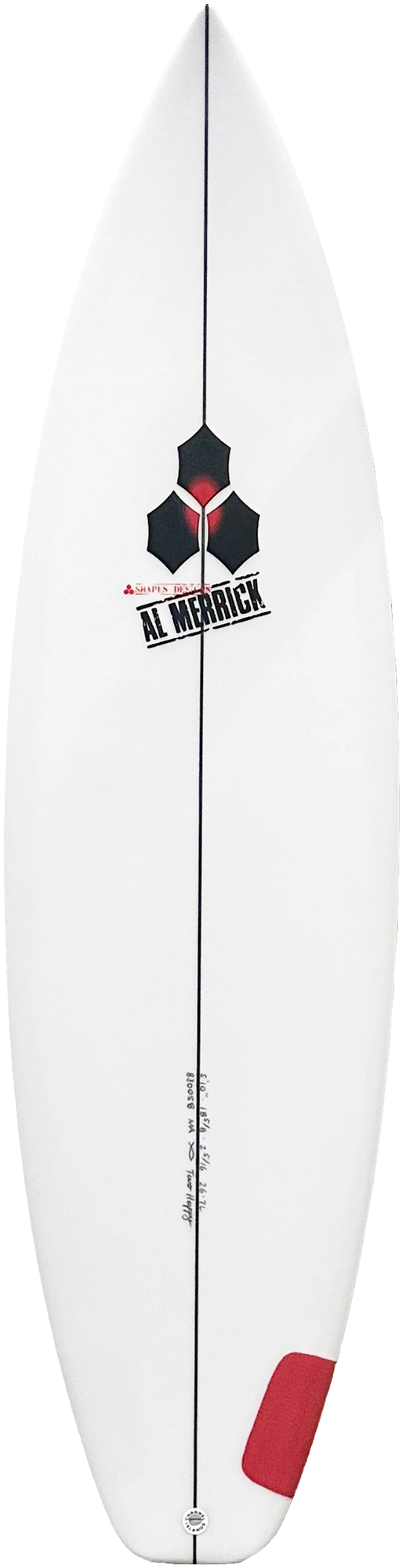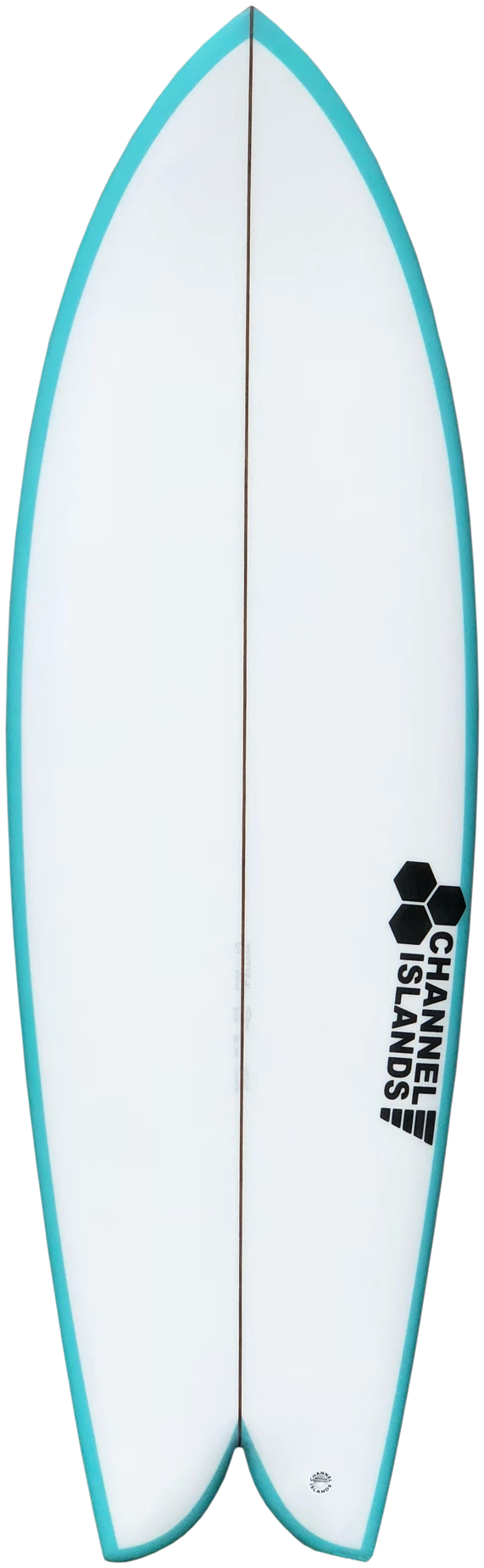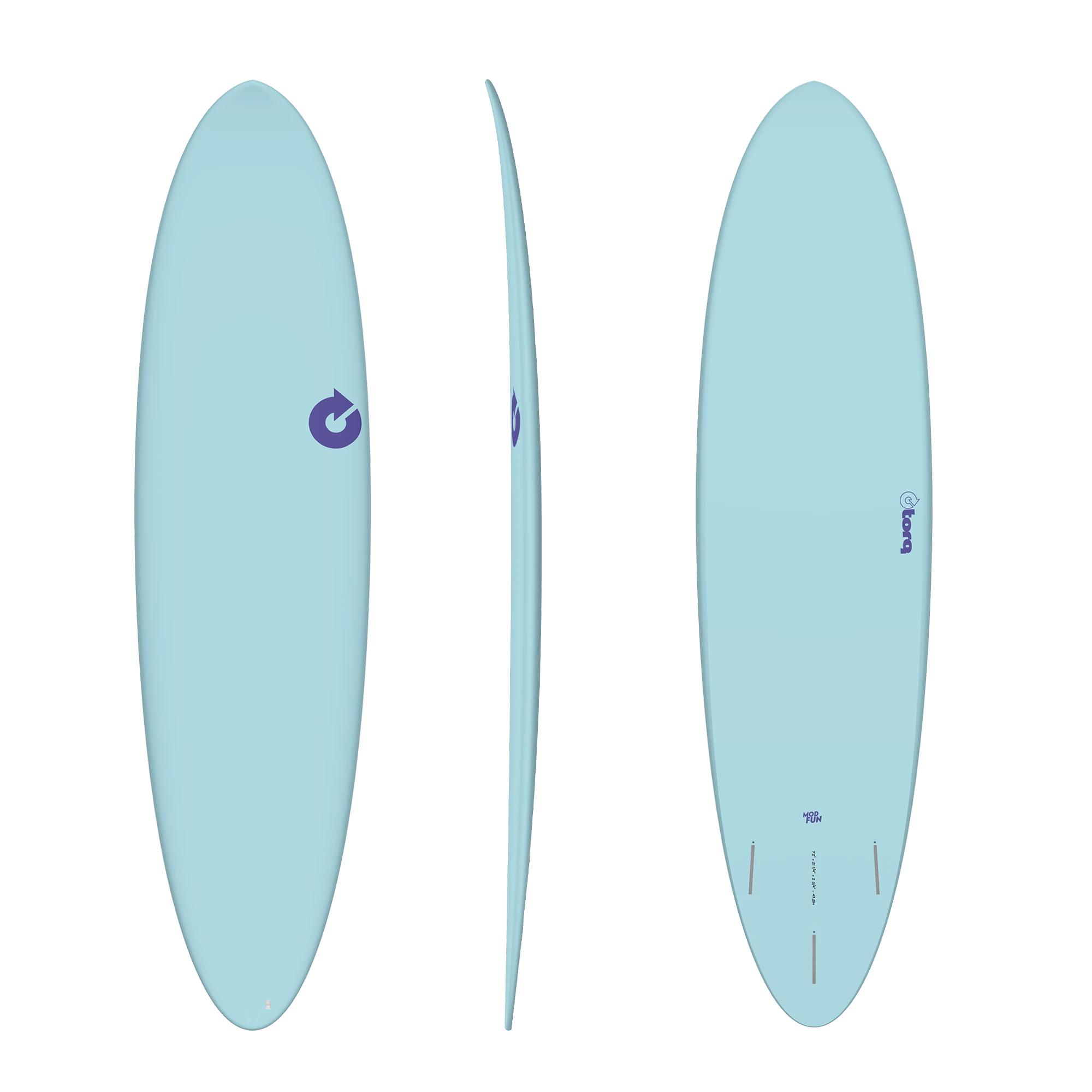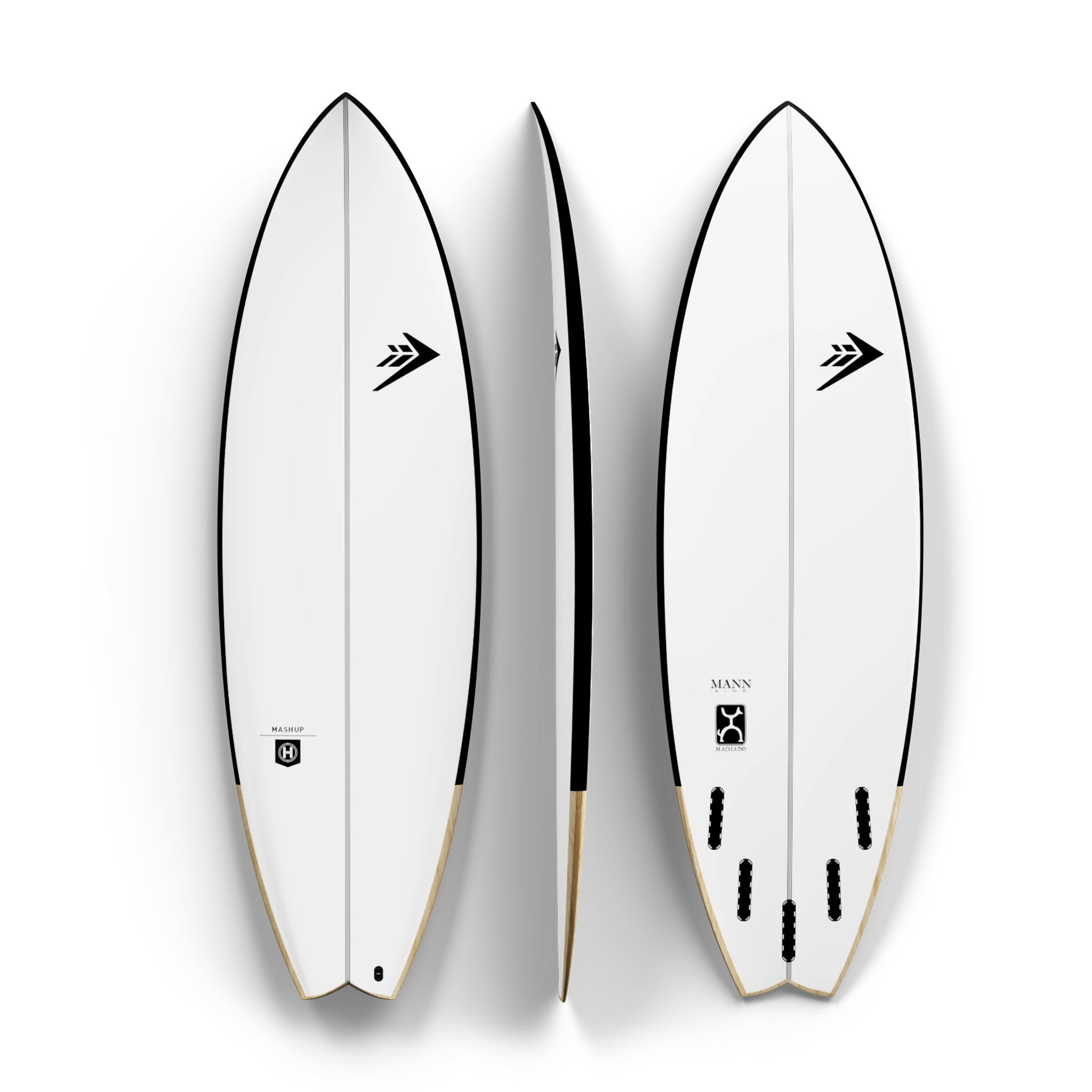
The convenient answer is yes: bring the board you know. The useful answer has a second step. What kind of wave have you booked? A mellow, traveling wave where you paddle in has more in common with your local break than a stationary sheet of water you enter from the side. Even within one surf lake, a forgiving intermediate setting and an expert barrel call for different decisions.
You do not need to buy a dedicated “pool board” for your first session. Start by matching the board you already ride to the actual wave, and check the venue's rules before loading the car.
First, identify the kind of pool
At a traveling-wave park, a wave forms, breaks and ends. You paddle, position yourself, take off and ride it. Wavegarden describes its Cove as generating waves in distinct zones, from beginner bays to advanced reef waves. The Wave in Bristol uses that technology, and its wave menu ranges from a gentle, open-faced Intermediate wave to faster Expert Turns and Expert Barrels. “I am going to The Wave” therefore tells you less about board choice than “I booked Intermediate on the reef.”
A classic stationary sheet wave is a different activity. FlowRider's sheet-wave description specifies bodyboards or stand-up boards for the water flowing across its ride surface. Do not assume your normal fiberglass shortboard belongs on that attraction. There is an important exception: FlowRider's separate FlowSurf deep-water system is designed for real surfboards. It is stationary, but its equipment and entry are not the same as a classic sheet-wave FlowRider. Find the actual machine and venue policy, rather than buying for the broad phrase “wave pool.”
Match your familiar board to the booked wave
For a first traveling-wave session, familiarity is valuable. You already know where to lie, how that board paddles, and when to stand. A predictable wave gives you a chance to notice what the board does, instead of learning the wave and a new shape in the same hour. That is a practical inference, not a promise that your everyday board will suit every setting.
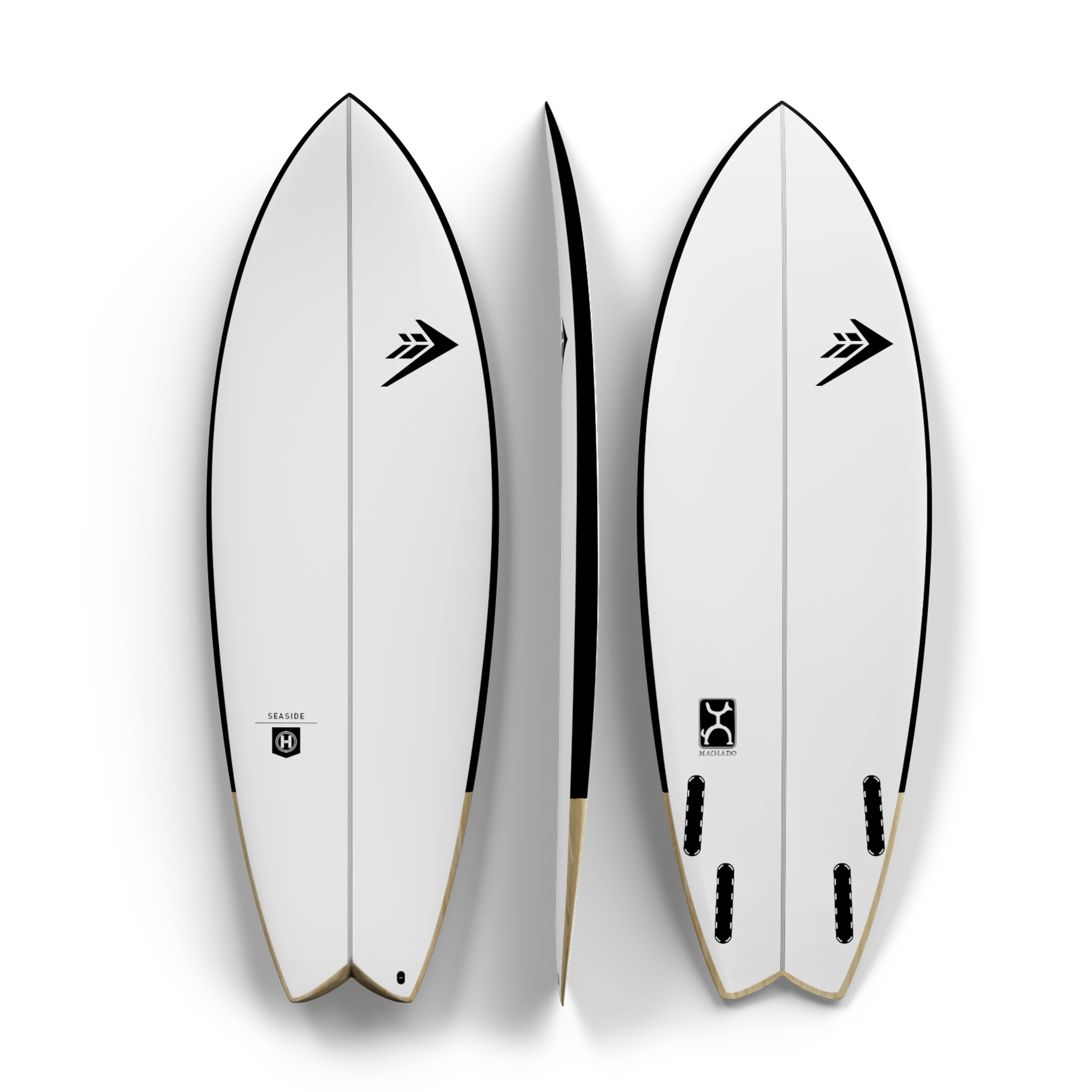
If your booking is a soft, open-faced wave and your ordinary shortboard needs a steep push, consider bringing a fuller board or using a rental. The Wave describes its Intermediate setting as a forgiving, open 3-foot face with a gentle takeoff. Firewire describes the Seaside as a quad groveler for small, weaker surf. A stock 5′4″ Seaside is 29.8 L. That design brief makes it a plausible example to compare for an easier wave, though your size, technique and the exact wave still decide whether it works. A beginner who is learning to catch green waves might get more from a longer, more stable board than from a compact groveler.
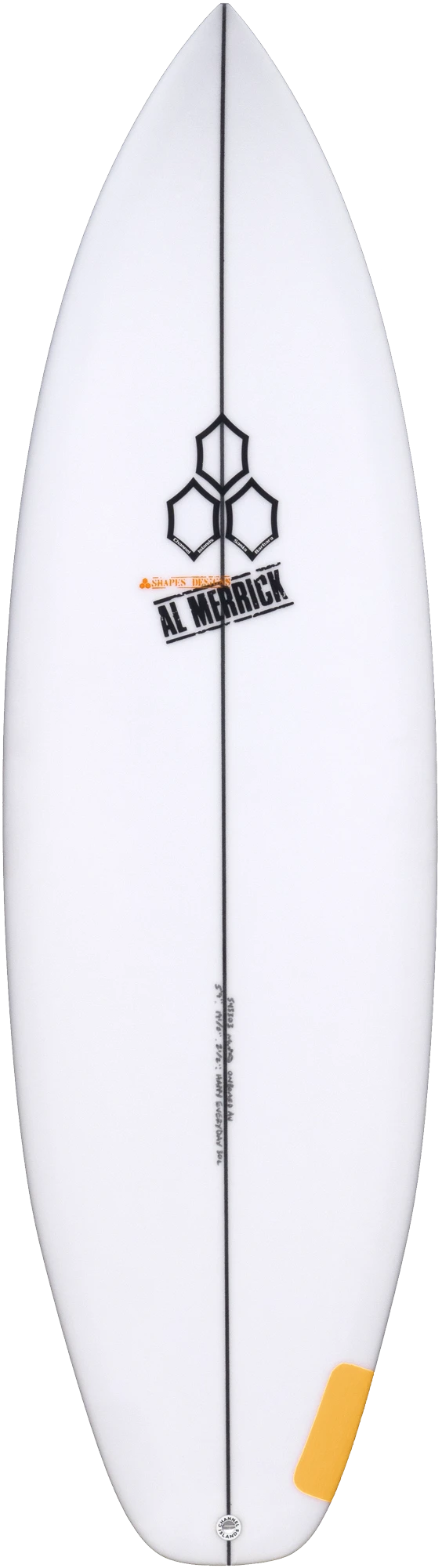
If the session is built around steeper, faster sections, do not bring a very wide small-wave board simply because it catches everything at home. The Wave's Expert Turns setting is described as powerful and fast, for experienced surfers. Channel Islands positions the Happy Everyday between a performance shortboard and a dedicated groveler; its stock 5′9″ is 29.4 L. Those near-matching liter numbers on the Happy Everyday and Seaside hide different lengths, outlines, fin setups and design intentions. They are examples to examine, not a prescription to replace your current board with either one.
The honest test is your ordinary ocean session. Can you catch waves reliably on your current board, set a line and make the turn you want? Is the pool setting gentler or more demanding than the surf where that board works? A fixed wave may expose a board's weak spot, but it will also expose rushed positioning or a mismatch between the booked level and your current ability. The Wave asks surfers to choose a session suited to their experience, and offers different levels for good reason.
Check the rules before you pack
Do not generalize one pool's equipment rules to another. The Wave's equipment guide says you cannot use your own board in its Beginner Bay. For its reef sessions, it allows surfboards of all lengths, with a leash. It also provides soft boards for beginner sessions and offers hardboard rentals. In contrast, URBNSURF's visitor guidance explicitly welcomes visitors to bring their own board, wetsuit and wax. Those are venue-specific policies, and they can change; check your booked session's current page, not an old forum answer.
A rental can be the smarter first move if the venue limits your board, you are traveling without a board bag, or you want to test a different shape before buying. The Wave even describes its Expert Turns session as bring-your-own or hire. Confirm the rental type and availability when you book. Also check the leash and fin requirements for the specific venue and session; a board you brought without the required setup is no use beside the pool.
A four-question packing decision
- Is it a traveling wave or a stationary attraction? A classic sheet-wave FlowRider may call for its own boards; a FlowSurf deep-water system or traveling-wave lake is a different proposition.
- What setting did you actually book? Read the wave's takeoff, face and skill description, rather than guessing from the park name.
- What does your board do well today? Bring a board you can already paddle and turn on a similar wave. If the booked wave is far outside that range, rent or borrow before buying for one session.
- Does the venue allow your exact setup? Check board, leash and fin rules, then confirm rental options if you are uncertain.
If your usual board passes those four questions, take it. A first pool session is useful evidence about your surfing and your equipment. Afterward, compare what happened on the wave with the design briefs and actual dimensions of candidates in the Board Hogs catalog, including the Seaside and Happy Everyday. Buy for a real gap you noticed, not for the idea that every surf park demands a new quiver.