
The forecast says two feet. That can mean a clean little runner with a steep pocket, or a soft shoulder that barely wants to break. Those waves ask different things of a board. If the wave has no push, the first job is getting in early and carrying speed through flat sections. If it has a pocket, you may be willing to give up some glide for a board that fits tighter turns.
Start with the session you actually want. Are you trying to catch more waves, trim down the line, or do shortboard turns when the surf is poor? The answer is more useful than a universal list of “best” small-wave boards.
If you want more waves: longboard or generous mid-length
When you're still building your takeoff and trimming skills, a tiny board marketed for weak waves is often the wrong shortcut. More length and a fuller outline let you start paddling earlier, give you time to stand, and make a slow section easier to cross. A longboard also lets an experienced surfer choose a completely different kind of small-wave session: catching waves early and making the most of the open face.
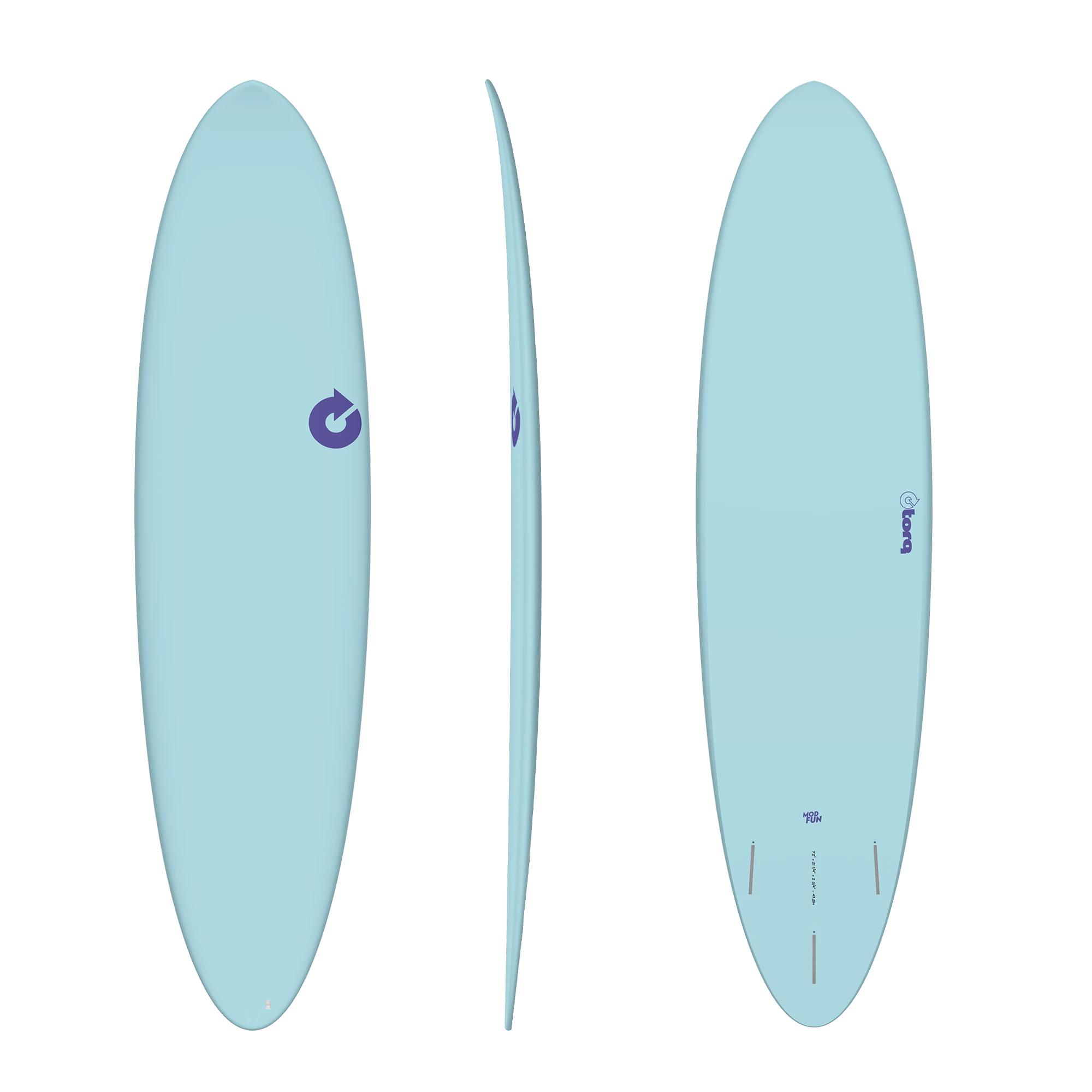
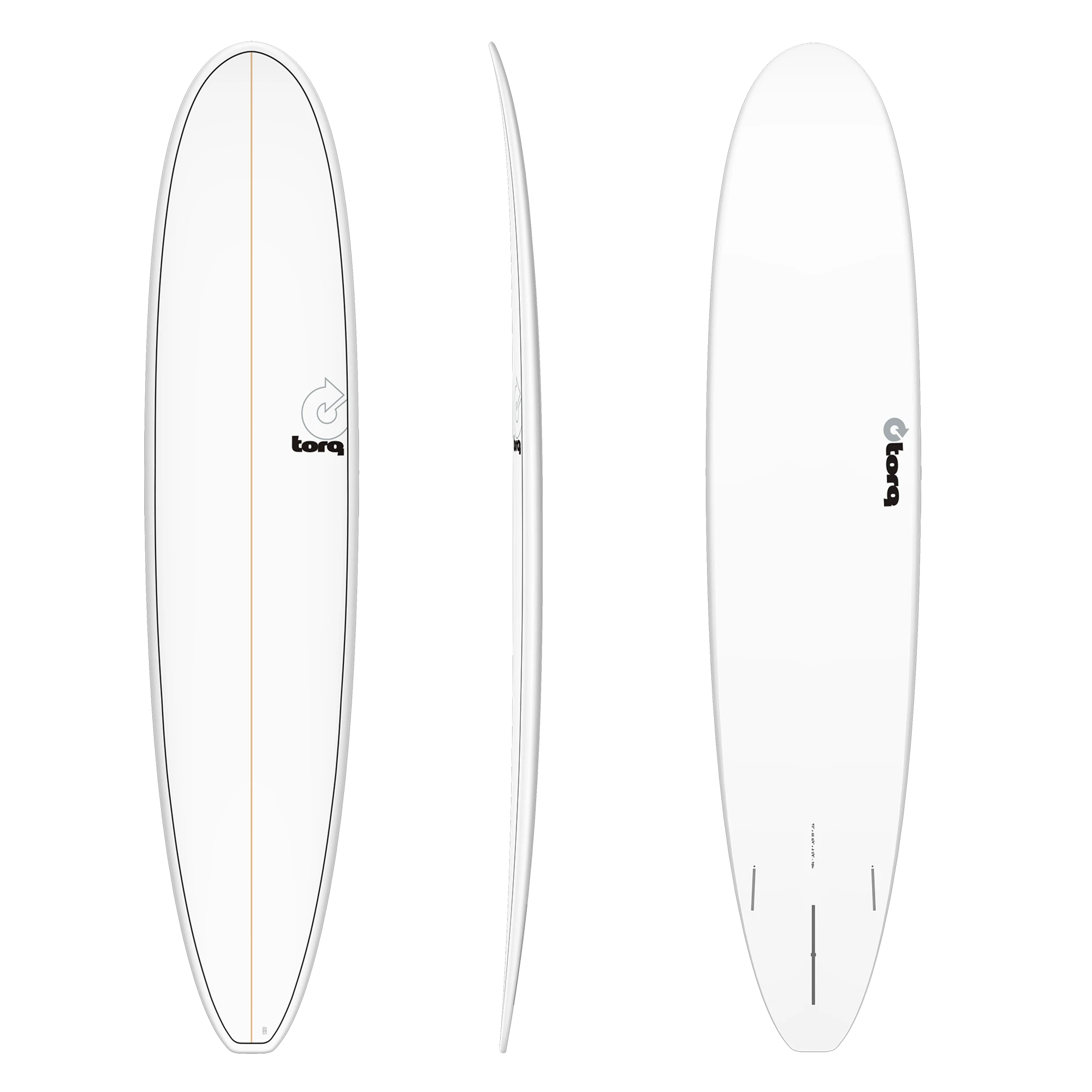
For a concrete reference, Torq's Soft Deck Longboard comes in 8'0" to 9'6" sizes. Torq positions its template around easy paddling and wave catching, with room to develop turns and noseriding. Its Mod Fun, at 6'8" to 7'6", trades some of that longboard glide for a shorter, easier-to-turn package; Torq specifically describes its low-to-medium nose rocker as helpful in small or weak waves. Those are examples of different jobs, not instructions to buy a particular length.
Choose this lane if: your current board lets you stand up but you miss too many soft waves, or you enjoy trimming more than trying to manufacture shortboard turns. Think twice if: the break is crowded and your board handling is still uncertain; a larger board demands more space, control, and care around other people.
Browse longboards or compare mid-lengths in the catalog.
If you want turns in weak surf: a purpose-built groveler
A groveler keeps a compact length while putting planing area where it helps. Wider outlines, fuller noses, and lower rocker often show up in these designs. The goal is to make speed without needing the wave to supply much of it, while keeping the turning radius shorter than a longboard's. The trade-off is that a very wide board can feel like a lot of rail to manage when a wave suddenly gets steep or powerful.
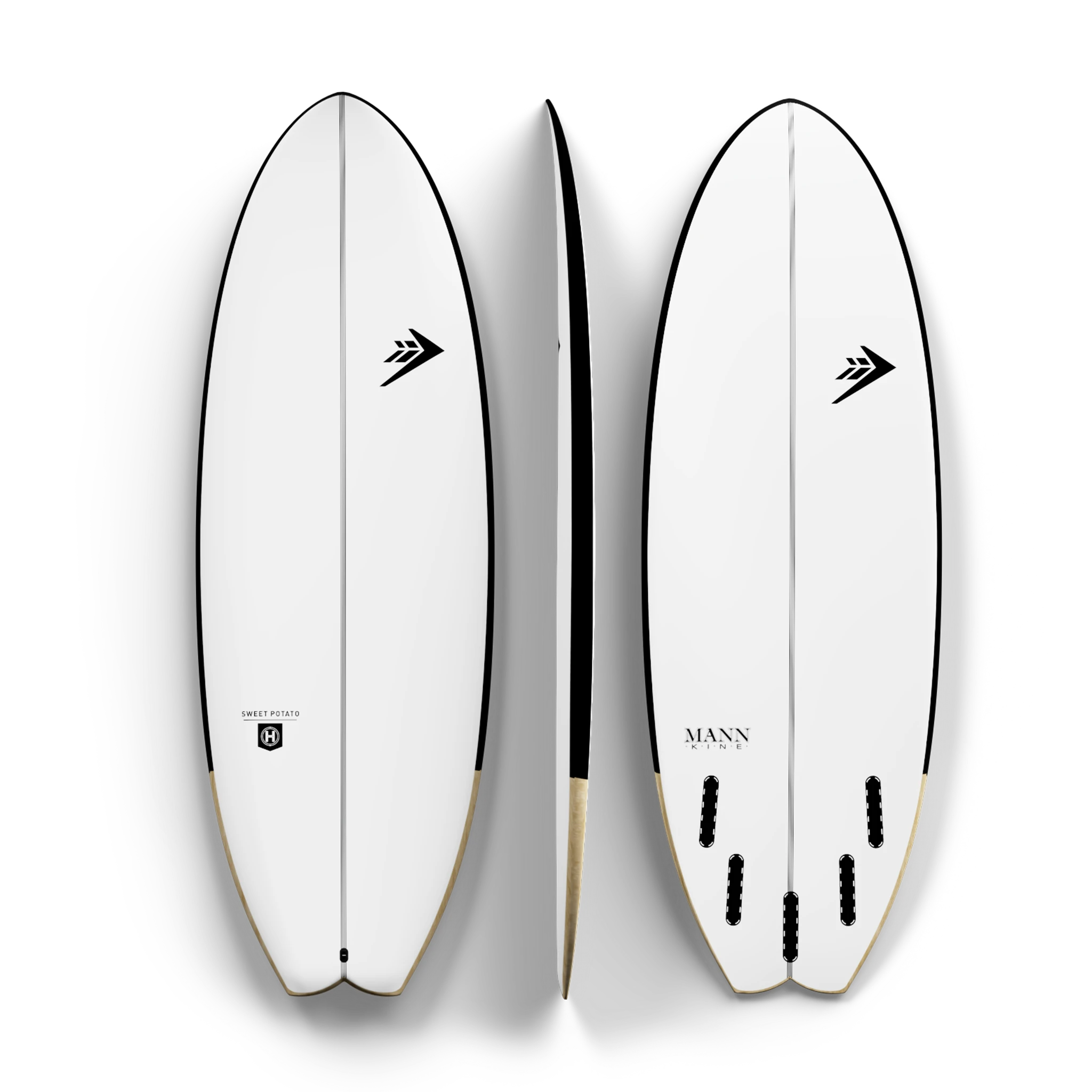
The 2026 Firewire Sweet Potato makes that design choice explicit: Firewire describes a wide, thick outline, generous volume, and low entry and exit rocker aimed at weak, flat surf. The Lost Original Puddle Jumper '25 offers a different version of the same mission, with a wide outline and concave-to-vee bottom that Lost says combines easy wave catching with tighter turning. These are maker descriptions, not claims that we've ridden either board.
Choose this lane if: you already catch and ride waves consistently, want to keep doing turns, and your everyday surf goes soft between sections. Think twice if: you're still struggling to catch green waves. A short, wide board can have plenty of liters yet give you less time to paddle into a wave than a longer board.
Explore grovelers and compare their outline and rocker as well as their volume.
If you like a flowing line: look at fish, but inspect the actual shape
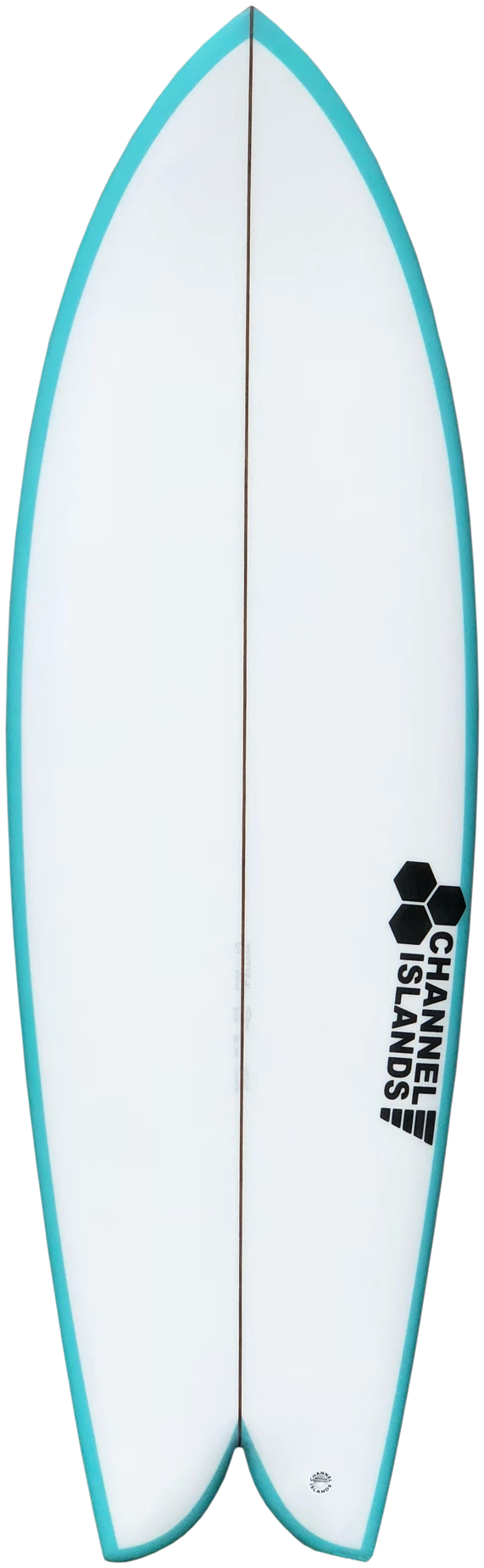
“Fish” describes a family of shapes rather than a promise that every fish excels in mush. Surf Simply's history of the fish is a useful corrective to the assumption that a fish is automatically a tiny-wave board. Some want a clean, running face and reward drawing a long line; others overlap heavily with modern grovelers.
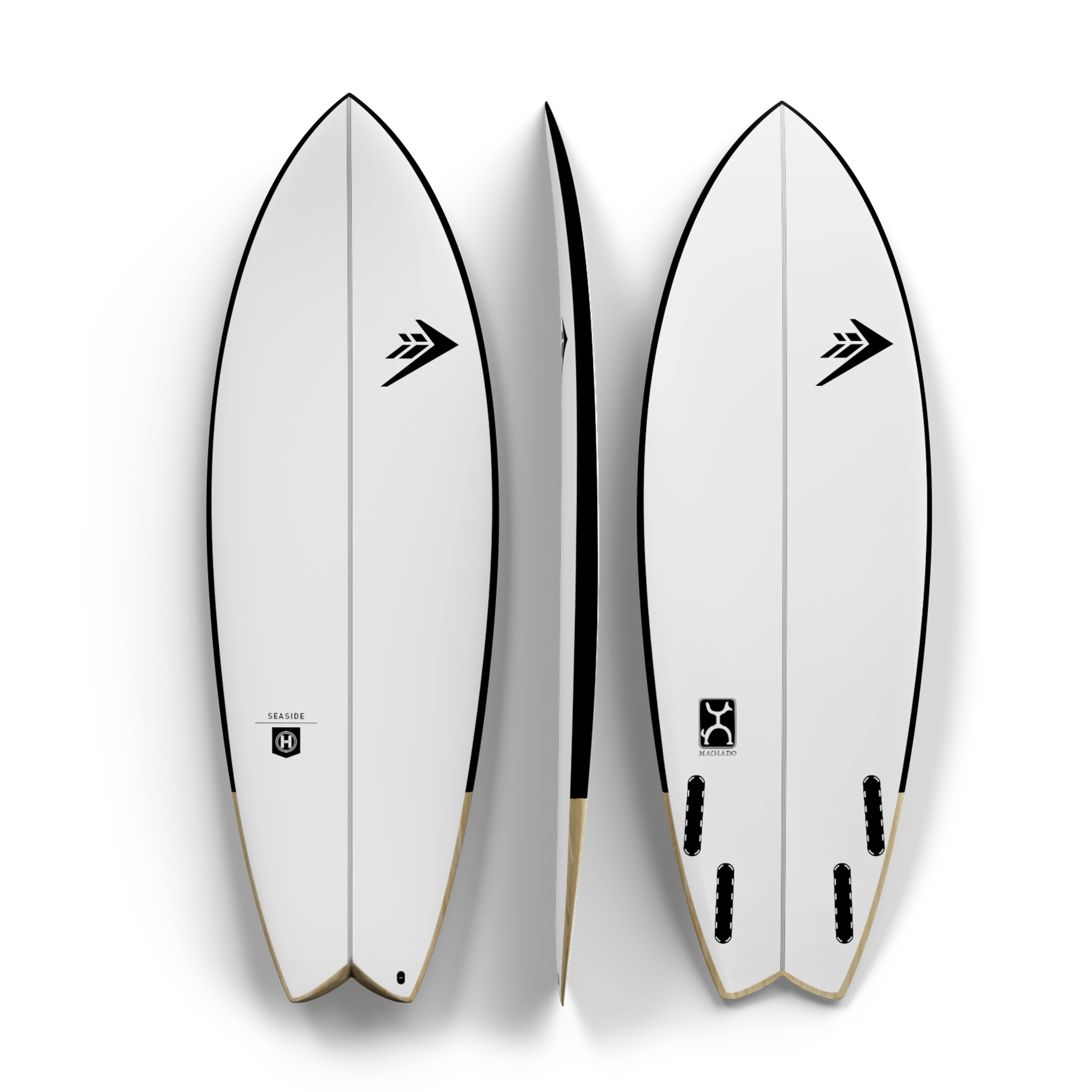
Firewire calls the Seaside a quad groveler for small and weak waves, but Rob Machado's design notes also describe how it differs from the cruisier Go Fish: less tail area, more curve, and a narrower nose to tighten its turns. That's a good example of why the word fish alone cannot settle a purchase. Look at the designer's intended wave, fin setup, and the board's outline, then decide whether you want to skate across a section or fit a sharper turn into it.
Choose this lane if: you have reliable takeoffs, enjoy speed and drawn-out lines, and your local wave gives you a little face to use. Think twice if: your usual surf barely has a breaking section; more paddle length or a dedicated groveler may serve you better.
Compare fish models alongside the grovelers rather than treating the categories as separate universes.
If you want your shortboard to feel familiar
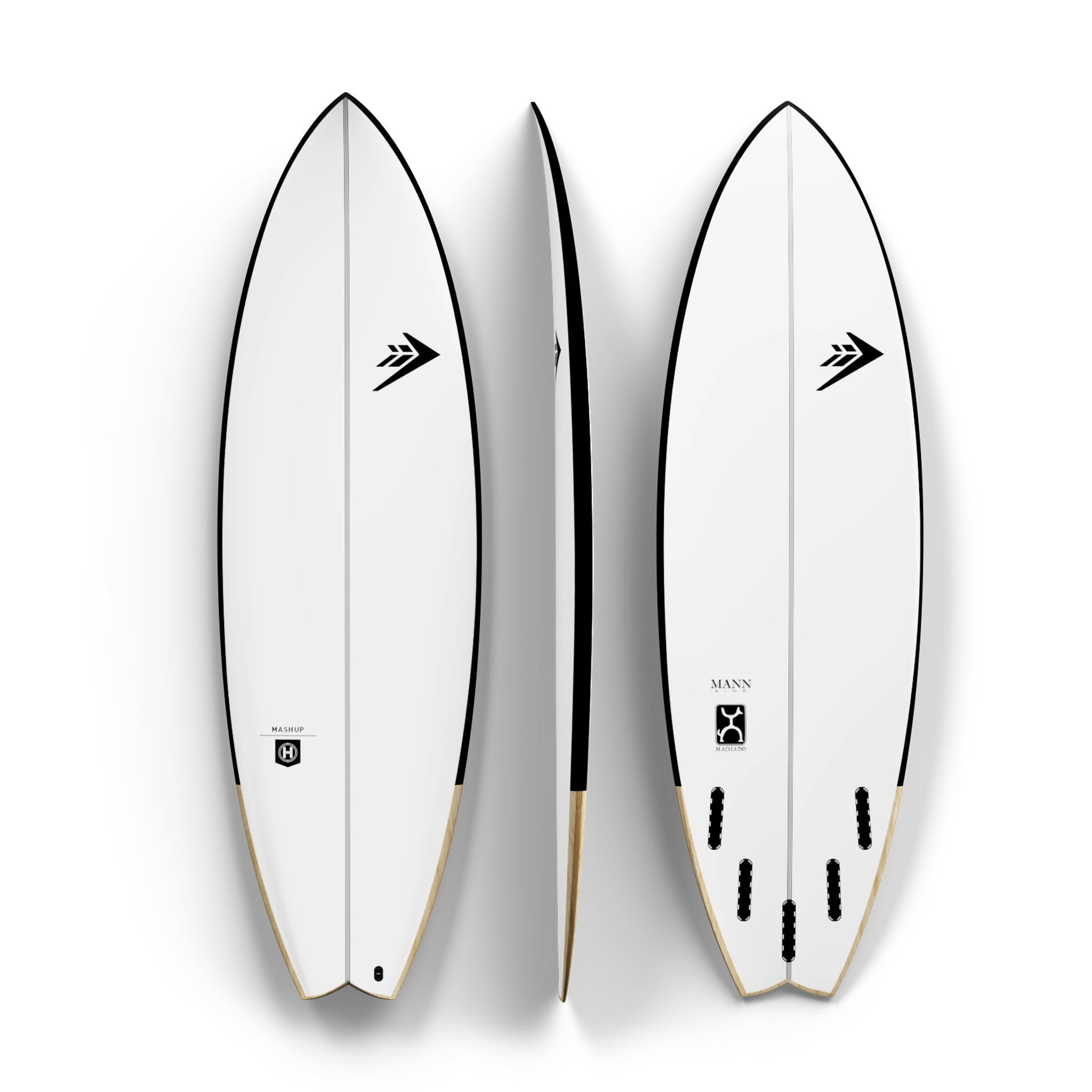
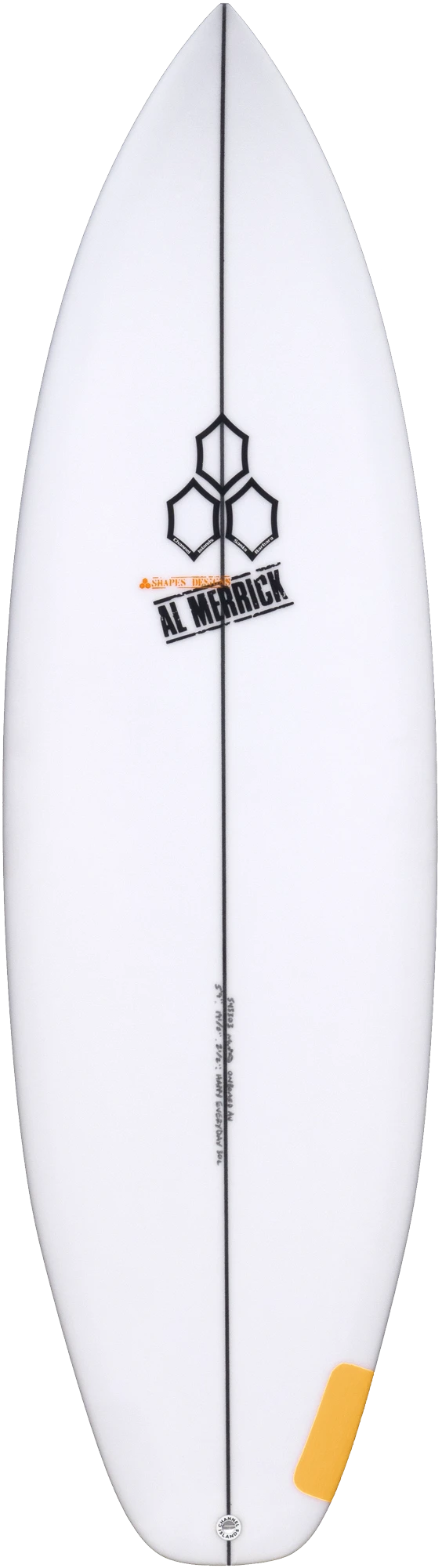
You don't have to jump straight from a performance shortboard to the widest board on the rack. A more refined small-wave shortboard can preserve familiar foot placement and turning while adding some easy speed. Lost describes its Puddle Jumper Pro as a stretched, narrower take on the Puddle Jumper HP, with more nose rocker and extra rail length for longer arcs. That also tells you its limitation: in truly flat, barely breaking surf, the wider Original Puddle Jumper or a longer board is the more plausible tool.
This lane makes sense when your waves are small but still shaped: a bit of pocket, a makeable section, enough energy to redirect. A two-foot hollow beach break and a two-foot rolling point break should not get the same recommendation.
Three checks before you buy
- Describe your usual wave, not your best day. Note whether it stands up and runs, fades into a flat shoulder, or closes out quickly. Pick for the conditions you surf most often.
- Compare with a board you know. If you miss waves on it, ask whether you need more paddle length or foam under your chest before simply adding liters to a short outline. Surf Simply's volume guide explains why volume helps comparison but does not describe a board's whole shape.
- Decide which compromise you can enjoy. A longboard gives early entry but takes room to turn and handle. A groveler lets you surf shorter but won't fix a late takeoff. A fish may reward a beautiful line yet be less useful than its label suggests in dead-flat surf.
If possible, borrow or demo a board in the actual waves you're buying it for. Ten waves on a familiar break will tell you more about your trade-off than a category name on a shop tag.