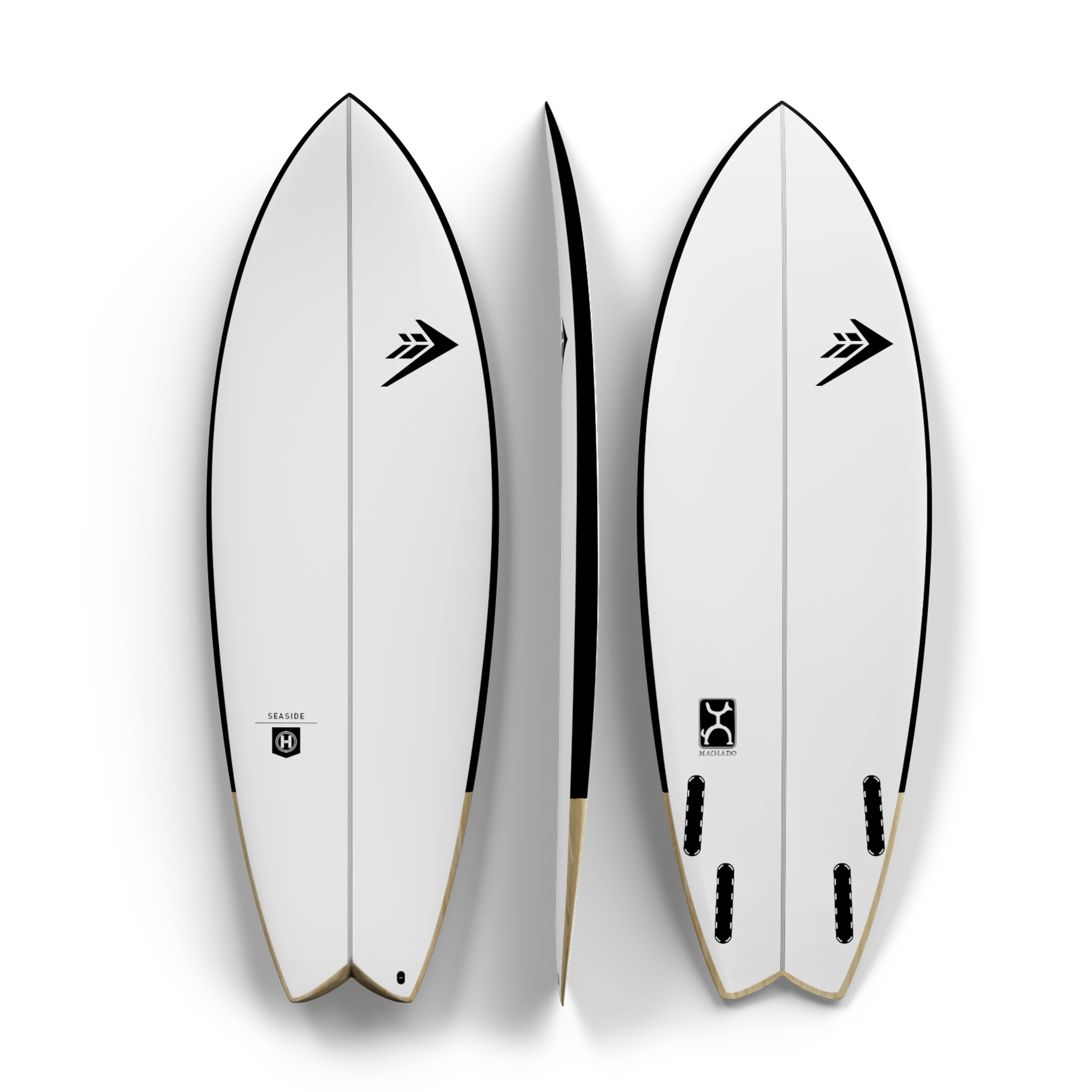
The board in the listing looks right. The dimensions work, the price is tempting, and then you notice the fin boxes. Your bag is full of FCS II fins; this board has Futures. Do you need to budget for a new set? Yes. The shortboard systems use different bases and boxes. FCS itself says fin systems are not interchangeable. The useful wrinkle is within the FCS family: older two-tab FCS fins can work in FCS II plugs with FCS's compatibility kit.
That sounds like hardware trivia until you arrive at a break with a board and no fins that fit. Work out the system before you decide what a used or new board really costs you.
Start with the box, not the logo on the fin
| What is in the board? | What is designed to fit? | What to check |
|---|---|---|
| FCS II shortboard plugs | FCS II fins click into place; older original FCS dual-tab fins can be fitted with FCS's infills and grub screws | Are the plugs sound, and is the older-fin kit included if you need it? |
| Original FCS plugs | Original two-tab FCS fins | Do not assume your FCS II fins fit an older plug. |
| Futures shortboard boxes | Futures fins with the matching full base | FCS or FCS II fins are a different system. |
| A long center box | A center fin made for that specific long box | Treat it separately from the side-fin plugs, especially on a 2+1. |
FCS describes its FCS II system as a tool-free connection when you use FCS II fins. Its insertion guide shows the front of the base engaging first and the fin clicking down into the plug. FCS II plugs also have holes for optional grub screws. Futures uses one continuous tab along the fin's full base, rather than the two separate tabs of an original FCS fin. Futures boxes include a fin screw, and the company sells replacement keys and screws. A matching fin template from the two brands is still attached to a different base.
If a seller says “FCS fins” without a photo, ask which generation. A board's shaper logo tells you who made it, not which removable fin system was installed. Custom boards and boards from different production years can vary; the actual boxes on the board settle the question.
The FCS exception goes one way
Have a favorite older set with two short tabs? FCS's compatibility kit is made for original FCS fins going into FCS II plugs. Silicone infills fill the gap ahead of the older front tab, and the kit supplies grub screws and a key. FCS Australia confirms that original FCS fins can be used with FCS II boxes with this kit. Check that the infills and screws are present, and follow FCS's instructions; a loose fin is no bargain.
Do not reverse that statement. FCS markets FCS II fins for its FCS II system, and its older-fin kit addresses the older-fin-to-newer-plug direction. If your next used board has original FCS plugs, plan on original FCS fins rather than assuming the FCS II set in your bag will drop in. Nor does that FCS kit turn a Futures box into an FCS box.
Count the boxes, then look at their jobs
A matching brand name is only the first check. Look at the layout: a thruster has three positions, a quad four, and a five-box board offers both layouts if you have the right fins. FCS's insertion guide identifies side fins and center fins separately; the center has a symmetric foil, while the side fins have an inside and an outside face. Don't buy a random set of three loose fins just because the bases fit.
Futures likewise sells 3/4-inch boxes for the forward side-fin positions and 1/2-inch boxes for center trailing and quad-rear positions. That is a useful reminder to check whether a used fin bundle is a complete thruster or quad set, not merely three or four pieces with the same logo. Fin size, template and layout still need to suit the board and your surfing; our twin, thruster and quad guide is a good next read once the fit question is settled.
Longboards and some mid-lengths add another layer. FCS has an FCS II longboard fin designed for most existing longboard boxes. Futures sells a 1-Shot long box and says its thumb screw and plate are for that long box and most US-base single fins, not its standard shortboard-base fins. So a board with FCS II side plugs and a long center box is not simply “all FCS II.” Ask for photos of every box and the actual center fin.
A five-minute check before you pay
- Ask for a straight-on photo of the tail underside. You need to see each box, not just the installed fins. If a fin hides the opening, request a photo with it removed.
- Name the system and layout. “FCS II thruster,” “Futures quad,” or “original FCS with a long center box” is much more useful than “comes with fins.” If the seller is unsure, compare the photo with the official FCS plug and Futures box pages or take it to a shop.
- Find out what comes with the board. Which side, center and rear fins are included? Are the FCS compatibility infills and screws present, or the Futures screws and key? Missing hardware changes your full purchase cost.
- Inspect the boxes themselves. Look for cracks, movement, old repairs and missing screws. A matching fin should seat properly in a sound box; do not force it into a damaged or unfamiliar one. Have a repair shop assess a suspect box before you rely on it.
- Budget for a matched set if needed. Browse board models or marketplace listings with your fin bag in mind, but choose the board for its shape and fit first. A fin set is easier to change than the board you bought around it.
The answer is pleasantly simple once you have the tail photo: FCS II fins for FCS II plugs, Futures fins for Futures boxes. Older FCS two-tab fins have a supported route into FCS II plugs with FCS's kit. Everything else deserves a closer look before money changes hands.